Pentagon declares ‘TOTAL exoneration’ of Hegseth in Signal flap. Some experts say it’s not that clear cut
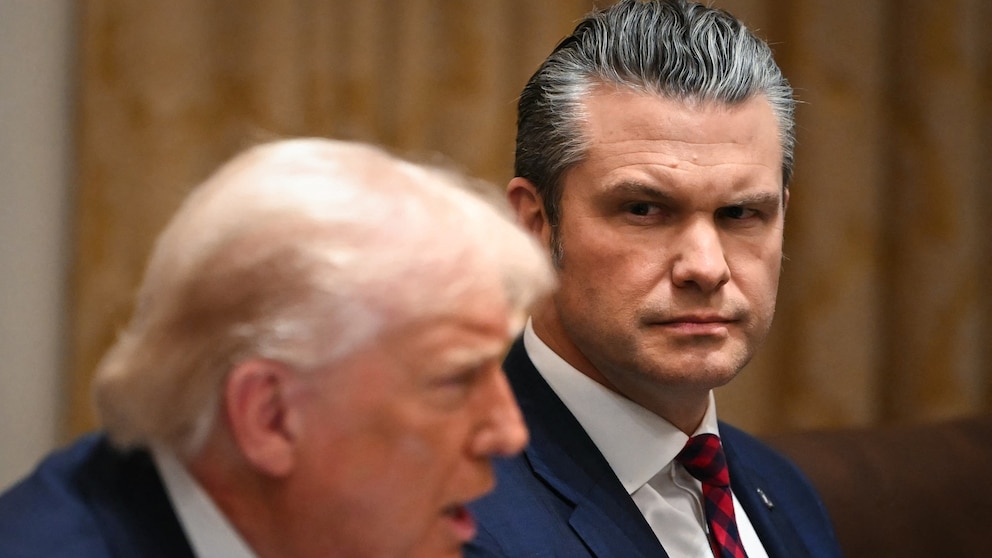
Eight months after Defense Secretary Pete Hegseth typed up detailed military plans to attack Houthi rebel sites in Yemen then shared them with his wife and several work colleagues on separate Signal chats, his chief spokesperson said Wednesday that he's totally exonerated.
According to sources familiar with an internal Pentagon investigation, the Defense Department's inspector general office concluded this week that the information had initially been classified. It also concluded that Hegseth's decision to relay the details of a pending strike in a commercial messaging app risked putting troops in danger -- an allegation he denies.
A major concern, according to investigators, is that if the details of the upcoming attack leaked or were hacked from the commercial app, which is not designed to transmit classified information, the Houthis would have known when to expect U.S. pilots overhead and fired back.
Rep. Adam Smith, the ranking Democrat on the House Armed Services Committee, said in a statement, "The way he chose to communicate this information put service members at risk."
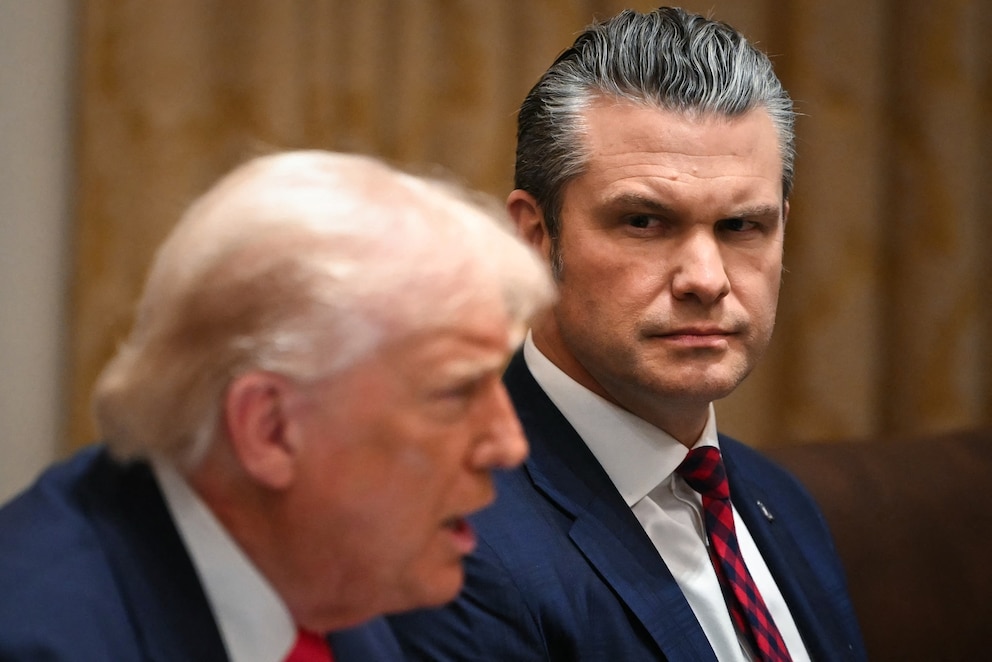
But sources say also included in the report was an acknowledgement that even though sharing such sensitive information was potentially risky, the defense secretary is granted certain declassification powers under the law. Sources said the IG ultimately determined that while Hegseth violated his own agency's protocols, he didn't break the law.
"The Inspector General review is a TOTAL exoneration of Secretary Hegseth and proves what we knew all along -- no classified information was shared. This matter is resolved, and the case is closed," Parnell said in a statement.
Classification and secrecy experts who spoke to ABC News, though, say it's not quite that simple.
Experts agree that the defense secretary in general has broad authority to declassify details about military operations. The real question, though, is whether he should have done so in the first place.
Experts also note that there would typically be a paper trail, although they acknowledge that wouldn't be required legally.
"Declassifying information in this improvised way is not a crime. It is just poor judgment," said Steven Aftergood, a longtime security expert with the Federation of American Scientists.
Tom Blanton, who has spent decades reviewing declassified government records and argues against unnecessary classification, said that historically these kinds of records would typically become declassified only after a military operation concluded -- and only if officials knew they would not launch a similar strike at a later date.
"It's common sense that if those operational details were opened before the strike happens, it would damage national security," said Blanton, who is director of George Washington University's National Security Archive.
Still, Blanton agreed with Aftergood that Hegseth likely had the authority to declassify anything specific to military operations under the current law.
One exception would be nuclear-related secrets, which involve the Energy Department, Blanton said. And in cases involving intelligence gathered by the Central Intelligence Agency or other agencies outside the Defense Department, such as human intelligence, Hegseth would be limited by law in its release without reviewing it with the director of national intelligence.
Overall, though, classification is a subjective art, according to Blanton.
"Secrecy is in the eye of the beholder," he said.
Aftergood said Hegseth's argument might not violate any laws, but he's still skeptical.
"Because there was no compelling or even sensible reason to declassify the information in the Signal chat, an unsupported claim that he did so seems like a bad-faith attempt to evade culpability," Aftergood said.