Philippines declares national energy emergency as Asia risks energy crisis amid Iran war
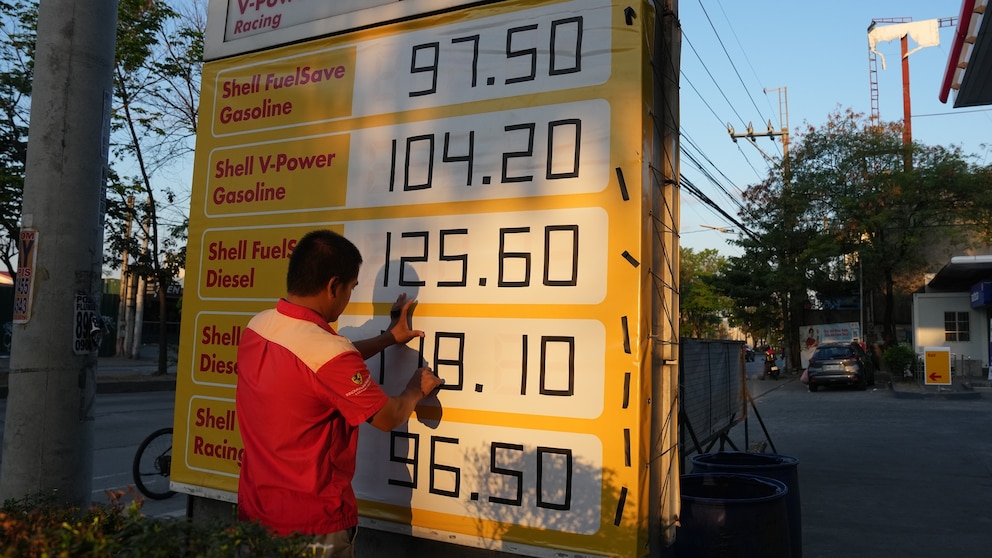
The Philippines has declared a national energy emergency in response to the U.S.-Israeli war with Iran, marking the latest sign of strain in Asia as the Middle East conflict stifles oil delivery and threatens an energy crisis.
Philippine President Ferdinand Marcos Jr. said in part that the ongoing war threatened "the availability and stability of the country's energy supply."
The emergency declaration allows the Philippine government to exert control over fuel prices and fast-track imports from alternative suppliers, such as Russia. Philippine authorities say they have enough fuel to last about 45 days at typical consumption levels.
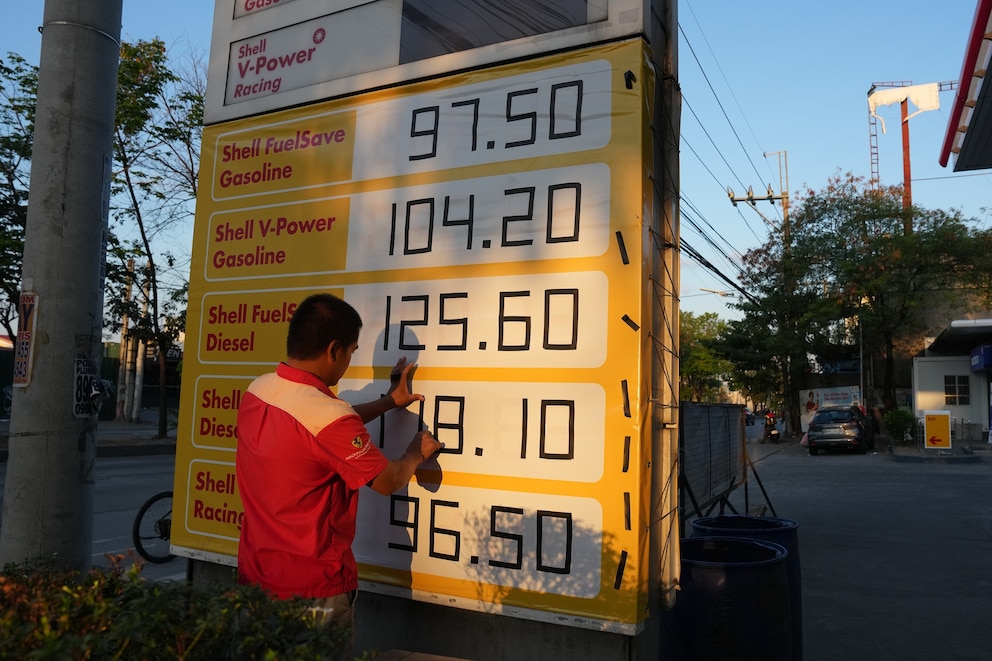
The announcement comes a day after South Korea launched a nationwide energy-saving campaign, calling on people to ride bicycles for short trips and reduce the length of showers. Japan, meanwhile, said Wednesday that it would soon begin releasing oil from its emergency reserve, equivalent to a 30-day supply. Thailand and Vietnam have also asked citizens to take steps to curtail energy use.
Fatih Birol, the executive director of the International Energy Agency (IEA), earlier this week said the current oil crisis had surpassed the combined effect of worldwide energy shocks in the 1970s.
The global economy faces a “major, major threat,” Birol said at an event in Canberra, Australia, noting that no country would be “immune to the effects of this crisis if it continues to go in this direction.”
Global oil prices skyrocketed in recent weeks after the war prompted closure of the Strait of Hormuz, a critical waterway for oil delivery. The strait facilitates the transport of about one-fifth of the global supply of crude oil, amounting to about 20 million barrels per day.
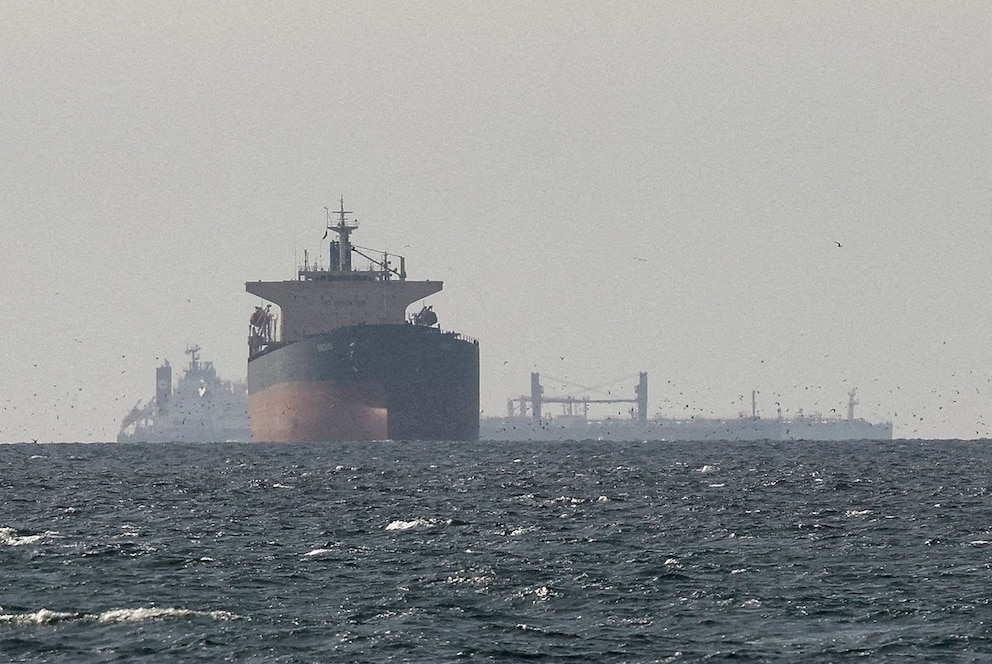
The passage marks the only shipping route that stretches from the Persian Gulf to the open ocean, making it a key travel hub for oil and gas originating in the Gulf and destined for Asia.
Roughly 80% of the oil that typically passes through the strait is bound for Asian markets, according to the IEA.
Some 5.4 million barrels of oil arrived in China via the Strait of Hormuz each day in the first quarter of last year, the U.S. Energy Information Administration (EIA) said, while just over two million barrels of oil transported through the strait ended up in India on a daily basis, followed by 1.7 million imported by South Korea and 1.6 million barrels by Japan. Other Asian countries accounted for two million barrels imported daily, according to the EIA.
By comparison, the U.S. imported just 400,000 barrels of oil each day via the Strait of Hormuz in the same quarter, according to EIA data.
The U.S. is a net exporter of petroleum, meaning it produces more oil than it consumes. But since oil prices are set on a global market, U.S. prices move in response to swings in worldwide supply and demand.

Asia, by contrast, is a major oil importer, accounting for 44% of the world’s crude imports, IEA data showed.
Member nations of the IEA plan to release 400 million barrels of oil from its strategic reserve, marking the largest oil release in the 32-nation group's history, Birol said earlier this month.
The Trump administration is set to carry out the second-largest-ever delivery from the nation’s emergency reserve, which will make up nearly half of the IEA’s planned release. Trump also eased sanctions on Russian oil and suspended a key regulation of domestic oil transport. The president has also sought to restore tanker traffic in the Strait of Hormuz.
ABC News' Britt Clennett contributed to this report.