The planet has entered an era of 'water bankruptcy,' according to new UN report
The world has entered an era of global "water bankruptcy," as irreversible damage experienced by water systems has pushed many basins around the world beyond recovery, recent research has shown.
Some of the worst impacts include chronic groundwater depletion, overallocation of water, deforestation, pollution and degradation to land and soil, according to a report released Tuesday by the United Nations University Institute for Water, Environment and Health (UNU-INWEH).
As a result, many regions around the world are experiencing a "post-crisis condition," which entails irreversible losses of natural water capital and an inability to bounce back to historic baselines, the researchers said.
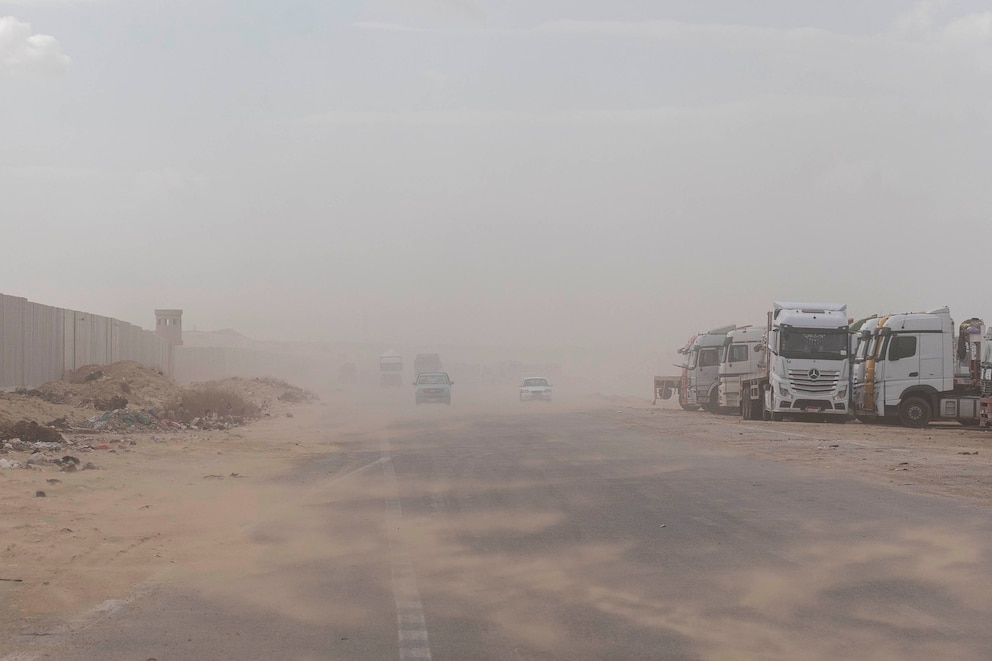
The Middle East and North Africa are among the water bankruptcy "hot spots" due to high water stress, climate vulnerability, low agricultural productivity, energy-intensive desalination, sand and dust storms and complex political economies, according to the report.
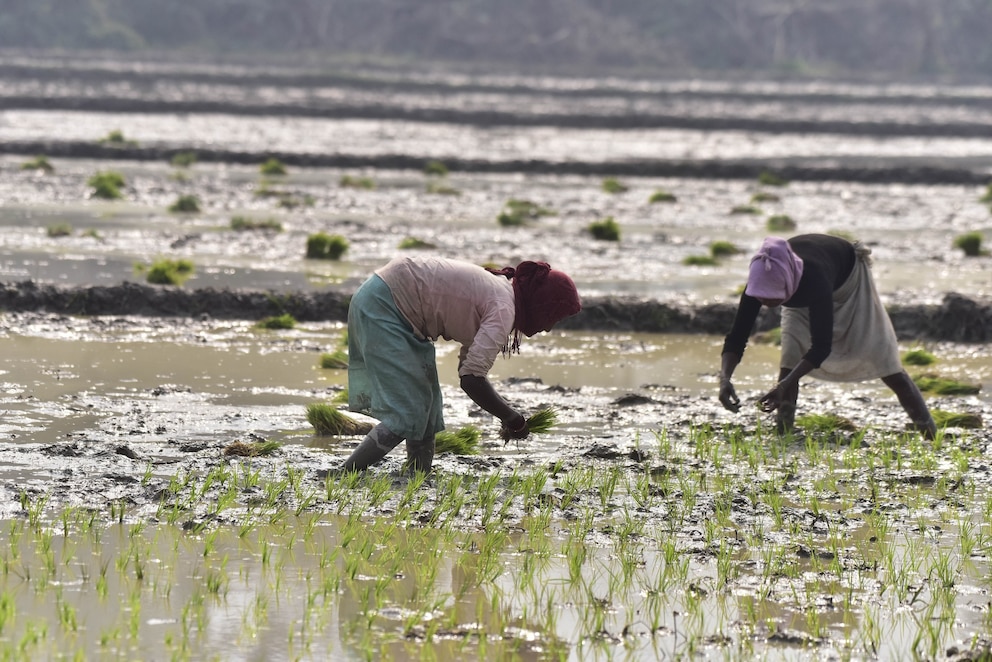
South Asia is also among the regions of concern due to groundwater-dependent agriculture and urbanization, which have produced chronic declines in water tables and local subsidence, the report noted.
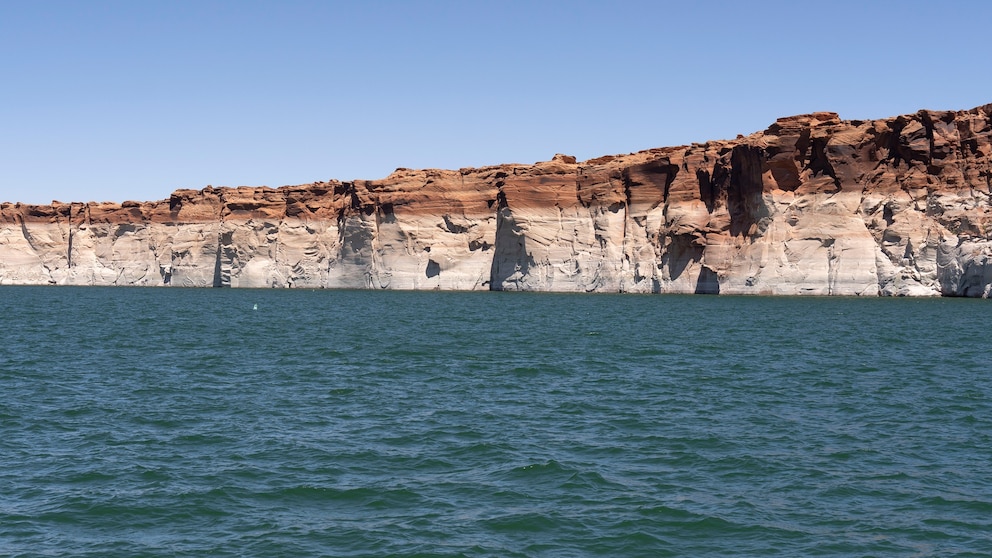
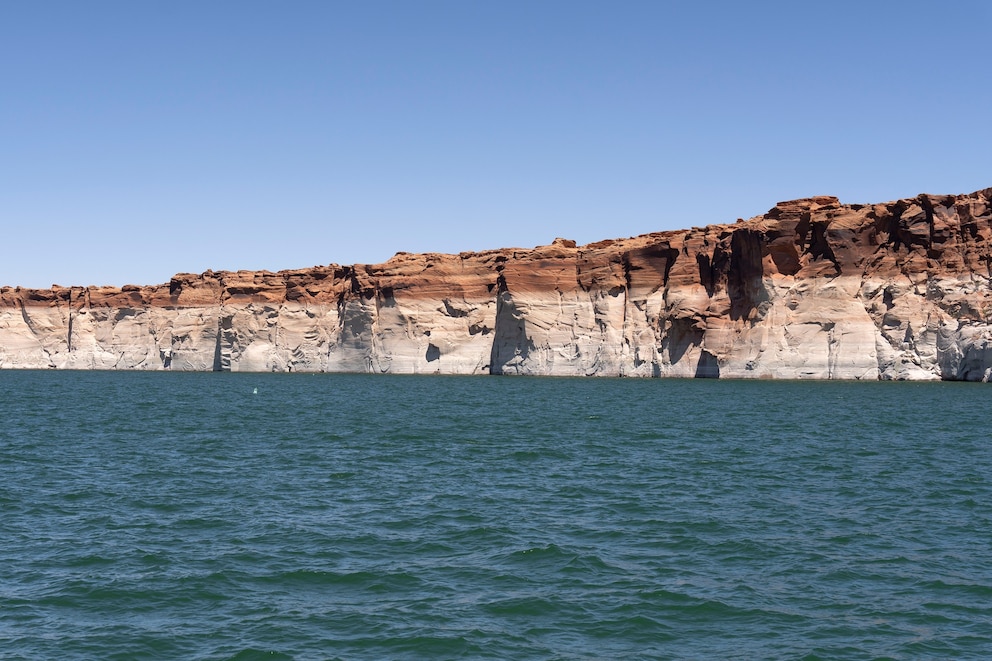
In the U.S., the Southwest has also been labeled a hot spot due to the dwindling of the Colorado River and its reservoirs, which "have become symbols of over-promised water," according to the U.N.
Of the world's large lakes, 50% have lost water since the early 1990s, according to the report. A quarter of humanity directly depends on those lakes, the researchers said.
In addition, 50% of global domestic water is now derived from groundwater, and 40% of irrigation water is drawn from aquifers being steadily drained. Of the world's major aquifers, 70% are showing long-term decline.
Global glacier mass has declined 30% since 1970, with entire low- and mid-latitude mountain ranges expected to lose functional glaciers within decades, according to the report.
An "overwhelming majority" of the statistics listed were caused by humans, the researchers said.
As a result, 2 billion people worldwide live on sinking ground and 4 billion people face severe water scarcity at least one month every year, according to the report.
Between 2022 and 2023, 1.8 million people were living under drought conditions.
"This report tells an uncomfortable truth: many regions are living beyond their hydrological means, and many critical water systems are already bankrupt," Kaveh Madani, director of the UNU-INWEH and lead author of the report, said in a statement.
The researchers defined "water bankruptcy" as persistent over-withdrawal from surface and groundwater, relative to renewable inflows and safe levels of depletion, and the resulting of irreversible or prohibitively costly loss of water-related natural capital.
The impacts are so detrimental that terms like "water stressed," which reflects high pressure that remains reversible, and "water crisis," which describes acute shocks that can be overcome, do not adequately represent the scope of the damage to the world's water systems, according to the report.
The authors stressed that water bankruptcy is not a series of isolated local crises, but rather a shared global risk, especially since agriculture accounts for the vast majority of freshwater use and food systems are tightly interconnected through trade and prices.
"When water scarcity undermines farming in one region, the effects ripple through global markets, political stability, and food security elsewhere," Madani said.
The report, released ahead of the 2026 U.N. Water Conference in Dakar, Senegal, on Jan. 26, calls for a fundamental reset of the global water agenda to help ease the impacts. The authors called for water to be recognized as both a constraint and an opportunity for meeting climate, biodiversity and land commitments.
Managing water bankruptcy will require governments to focus on preventing further irreversible damage, such as wetland loss, destructive groundwater depletion and uncontrolled pollution, the report noted. It also called for transforming water-intensive sectors, such as agriculture and industry, through crop shifts, irrigation reforms and more efficient urban systems.
The peer-reviewed paper will be published in the journal of Water Resources Management.