Do plastic bag bans work? Here's what the science says.

Plastic bag bans have been popping up across the country for the past decade, but a lawmaker in one state is looking at walking back the law enacted three years ago.
Assemblyman John Azzariti Jr., a lawmaker in New Jersey's Bergen County, has introduced legislation to repeal the state's 2020 law banning the sale and use of single-use plastic and paper carryout bags, his office announced earlier this year.
"New Jersey implemented the most restrictive ban on single-use plastics, Styrofoam and paper carryout bags to much left-wing fanfare, but the unintended consequences of the law are starting to negate any environmental benefits," Azzariti said in the statement.
Azzariti referenced a 2024 study by the Freedonia Group, a market research company, that found the law led to a three-time increase in the use of plastic consumption due to the shift to "alternative" bags, which are made of polypropylene and contain non-recyclable plastic. The study, paid for by the American Recyclable Plastic Bag Alliance, a trade group that represents the plastic bag industry, also found that people are only using reusable bags between two and three times.
But data shows that plastic bag bans work.
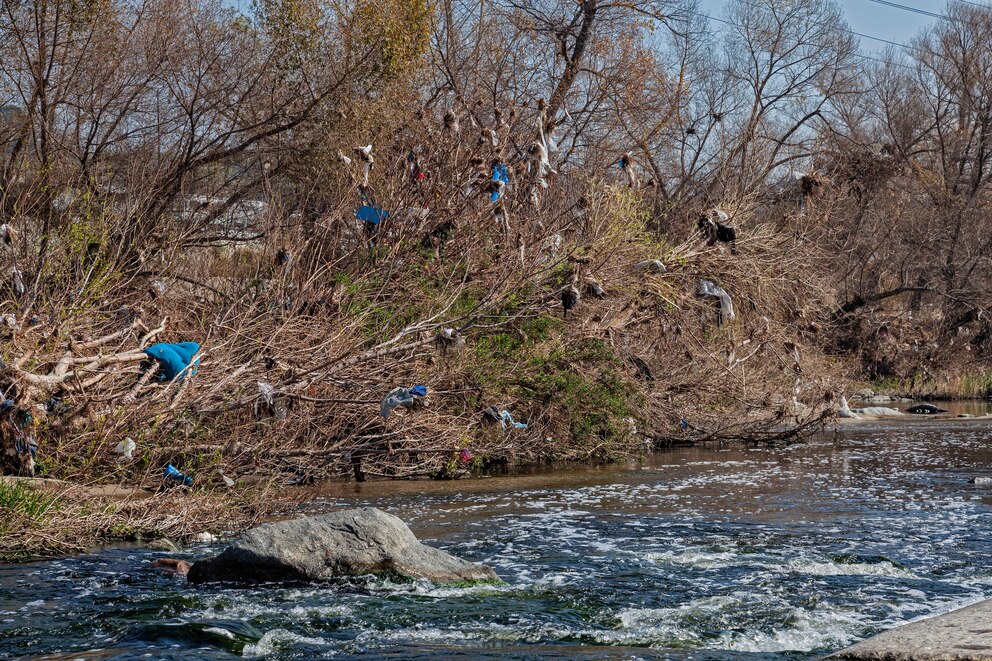
In the first eight months after New Jersey's ban took effect in 2022, an estimated 16.5 billion plastic bags were removed from the waste stream, according to the New Jersey Food Council. In addition, there are now 37% less plastic bags littering the New Jersey shore, according to the state's plastic advisory council.
The 2024 Freedonia report states that plastic bag use was down 60% overall, not counting the plastic materials used to produce reusable bags.
Reusable plastic bags need to be used between five and 20 times -- depending on the type -- to cancel out the carbon footprint from creating one single-use bag, according to the United Nations Environment Programme.
At least 500 cities and towns across 28 states have established bans on single-use plastic bags.
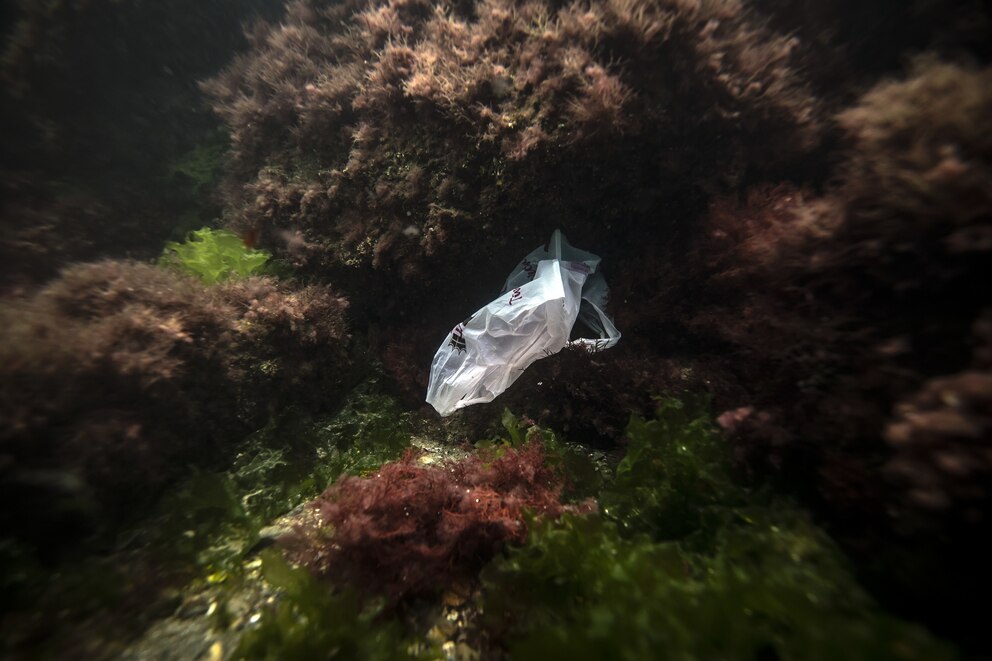
Plastic is wreaking havoc on the environment. Efforts to mitigate climate change point to the drastic reduction in production and use of plastic to decrease greenhouse gas emissions. The plastic life cycle contributes roughly between 3% to 8% of total global greenhouse gas emissions, and up to 22% of all plastic waste ends up in the environment.
In 2015, more than 87% of plastic bags ended up in the ocean, according to the Center for Biological Diversity.
Globally, more than 5 trillion plastic bags are used per year. Americans use an estimated 365 plastic bags per year, per person, according to the nonprofit.
By comparison, residents in Denmark only use about four plastic bags per year each.
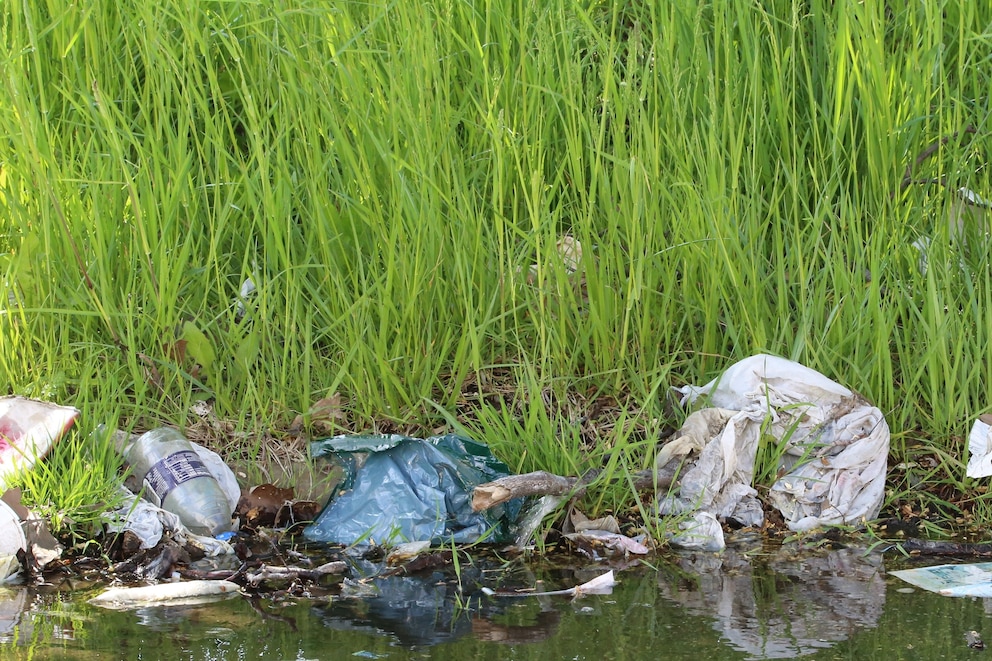
As the plastic litters land and sea, wildlife gets entangled in them, and they take years to break down, releasing toxins and microplastics into the environment as it does. Washing reusable plastic bags can also send microplastics into waterways.
"While we don’t have a clear answer to exactly how long it takes plastic bags to break down in the environment, the science is clear that plastic bags harm wildlife and ecosystems, which is why it’s so important to prevent them from becoming pollution in the first place," Anja Brandon, director of Plastics Policy at Ocean Conservancy, told ABC News.
Even the well-intended act of recycling can prove to be a wasted effort. Bins that collect plastic bags with the promise to recycle them often get thrown out, a 2024 investigation by ABC News placed trackers in plastic bags revealed.
ABC News' Climate and Weather Unit contributed to this report.