Plenty of fish in the sea? Scientists can now count them using DNA
This is an Inside Science story.
One liter of ocean water can not only unlock the recent presence of dozens of species -- it can also reveal the relative number of these fish.
According to the most extensive comparison of its kind, the relative abundance of DNA from different species found from ocean water samples taken off the coast of New Jersey correlates well with the data gathered by the more expensive and destructive technique of bottom trawling.
"It's really going to be a game change for ocean science, with many applications," said Mark Stoeckle, an environmental genetics researcher at Rockefeller University in New York City. He added that as DNA analysis becomes cheaper and more accurate, analyzing environmental DNA could be used for everything from tracking fluctuations in fish stocks due to fishing operations, to cataloguing the effects of climate change on species diversity and abundance.
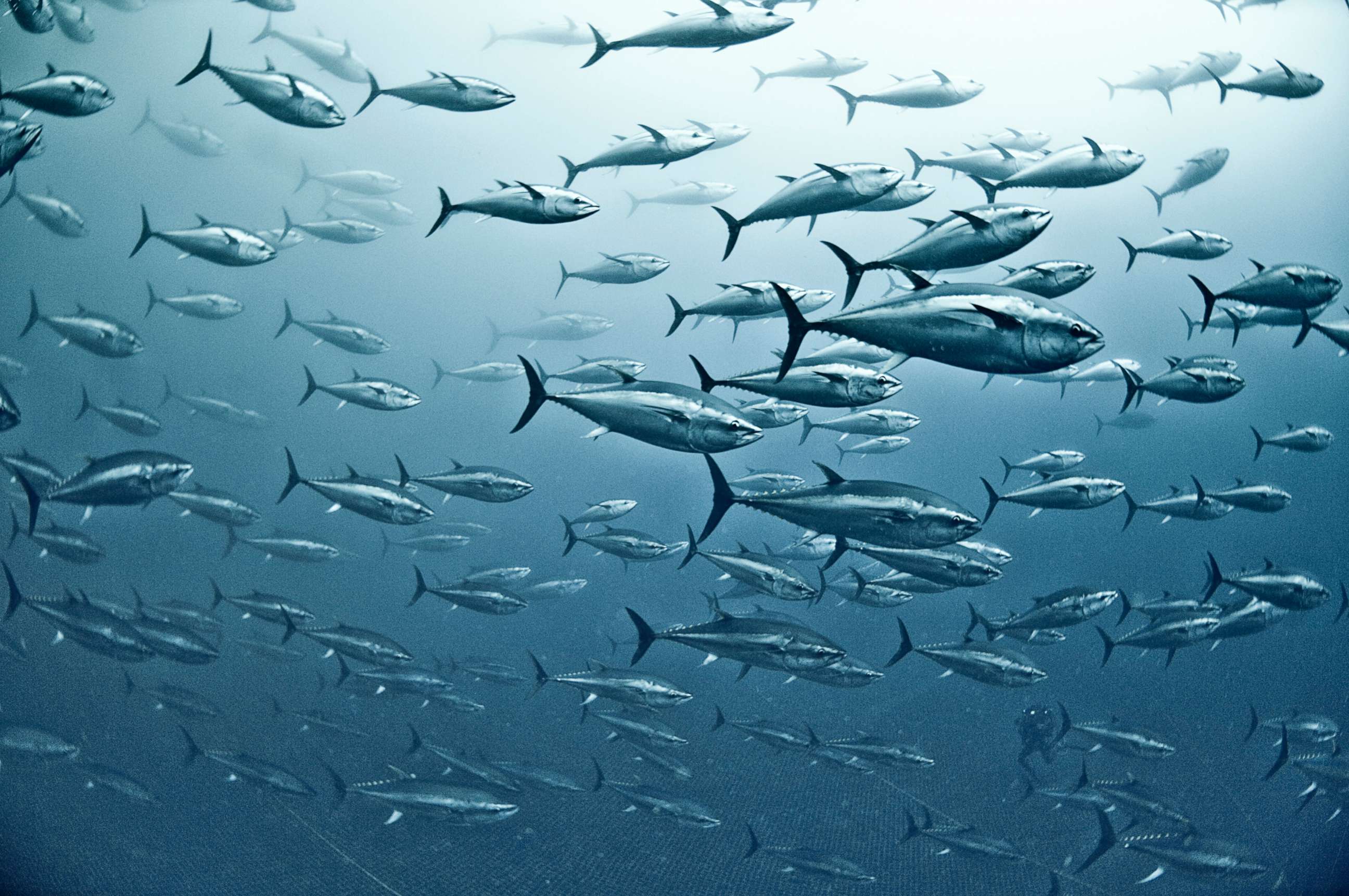
Stoeckle's team analyzed multiple trawls conducted by the New Jersey Department of Environmental Protection to determine species diversity and abundance of fish. They also asked technicians to gather multiple 1-liter samples of water from the surface and from the bottom of the ocean where the trawls were conducted every month from January to November 2019.
Their environmental DNA analysis, published in the ICES Journal of Marine Science, revealed what fish species were present, and the number of copies of DNA from each species. The abundance of fish and the species diversity correlated with the results of trawl surveys about 70% of the time.
They also looked at how these numbers changed over the seasons. This is important because researchers had thought that some DNA might hang around for longer in the environment and therefore mean that eDNA data could present a skewed snapshot of fish populations at a given time. But Stoeckle's team found that both eDNA and fish trawl surveys correlated pretty well over time as well.
Previous researchers had also worried that one big chunk of tissue from a single individual that passed through the area a while ago may overrepresent species presence. Similarly, a group of fish could have been through without leaving as much DNA.
Jason Adolf, a marine scientist at Monmouth University in New Jersey and a co-author of the study, said bottom trawls don't provide a perfect picture of fish populations as the net might go right by big schools without catching them. Environmental DNA isn't 100% accurate either, but it's cheaper to run than bottom trawls and DNA analysis is improving all the time.
"It's a whole new way of looking at what's in the ocean," Stoeckle said. "We're just beginning to make use of it."
Inside Science is an editorially independent nonprofit print, electronic and video journalism news service owned and operated by the American Institute of Physics.