This polar bear population is thriving despite some of the most drastic sea ice loss in the Arctic
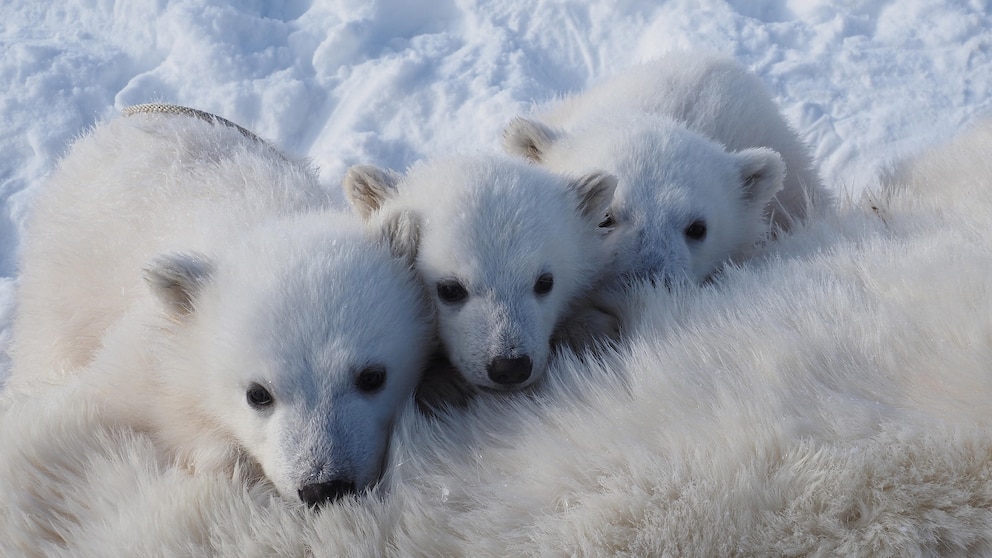
Not all polar bear populations are declining as a result of sea ice loss, according to new research.
Polar bears that live along the Barents Sea near Svalbard -- the archipelago between Norway and the North Pole -- appear to be thriving, despite the region experiencing some of the most drastic sea ice loss in the Arctic, according to a study published Thursday in Scientific Reports.
The body conditions of these bears have actually improved amid the sea ice loss -- a stark difference from previous observations of declines in polar bear populations that coincide with global warming, the researchers found.
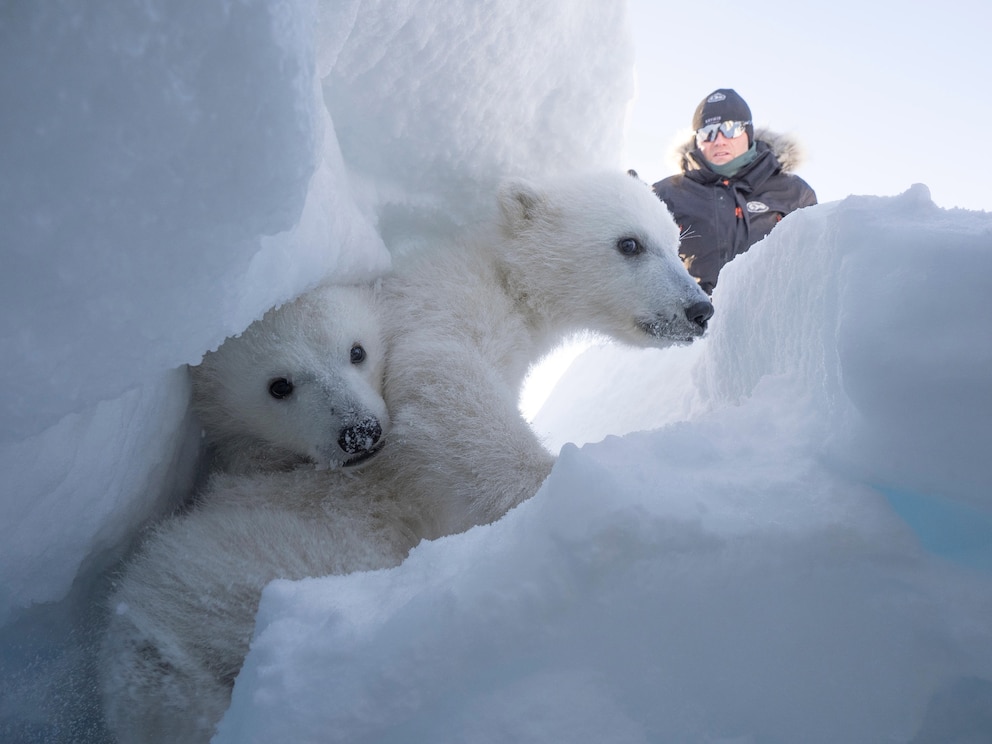
Every spring, researchers in Norway capture polar bears to study them, Jon Aars, senior scientist at the Norwegian Polar Institute and lead author of the paper, told ABC News. From a helicopter, they immobilize the bears and then take samples and measurements -- including their body weight and length of an animal, so they can determine how much fat the bears have on them.
"The more fat, the more healthy you can say the bear is," Aars said.
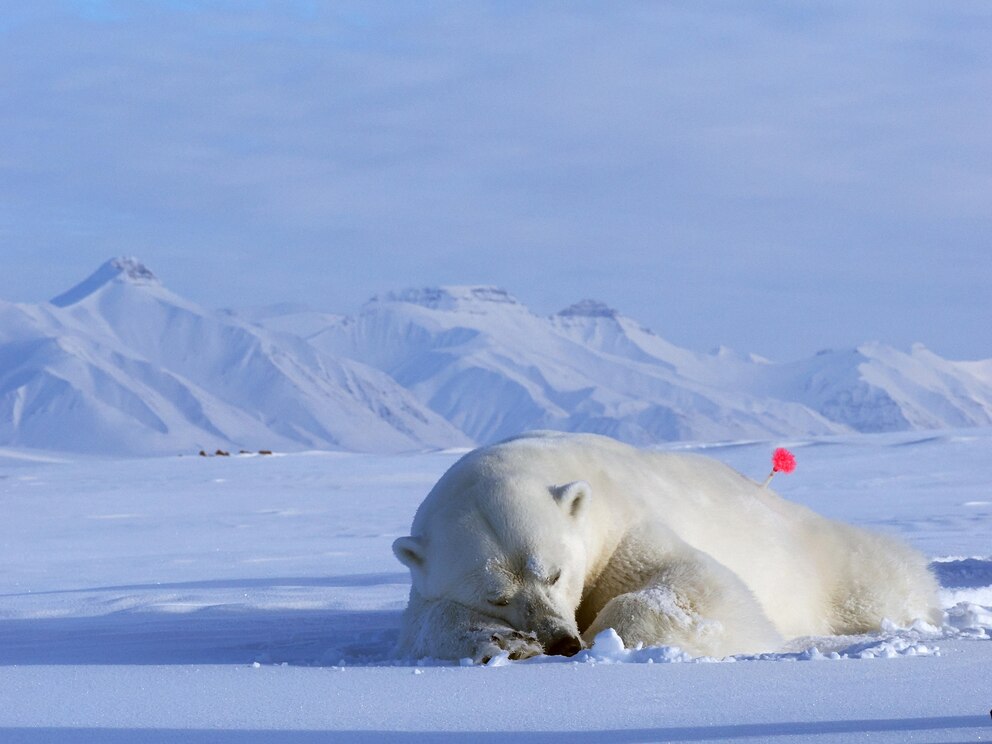
The researchers used data from records of 770 adult polar bears taken between 1992 and 2019, finding that the body composition index (BCI) -- an indicator of fat reserves and body composition -- has increased since the year 2000, despite the number of ice-free days increasing by a rate of four days per year during the study period.
The findings are surprising, considering how much warming the region as experienced in recent years, Aars said. The temperature surrounding the Barents Sea has risen about 2 degrees Celsius per decade since 1980, causing the sea ice to disappear at rapid rates, according to the paper.
The Arctic is warming faster than anywhere else on the planet, according to the National Snow and Ice Data Center. Measurements have shown that Arctic sea ice in the month of September is shrinking at a rate of 12.2% per decade, according to NASA.
"The loss of sea ice has been much more profound and faster in the Barents Sea area, especially the western part, than in any other place where you have polar bears," Aars said.
Sea ice is crucial to polar bear survival because they use it as a platform while hunting their main source of food -- seals. Without sea ice, the bears are forced to hunt in open water, and the seals can outswim them.
Previous studies have shown that polar bears in Canada's Hudson Bay that switch to land-based food sources such as birds and berries lost the same amount of weight as bears that simply fasted.
But the latest research indicates that the alternative food sources near Svalbard are better suited for polar bears, Aars said. In addition, the polar bears are not competing for these food sources with other large predators, such as brown bears and wolves, Aars said.
The polar bears' body composition may have improved because they adapted to eating land-based prey such as reindeer and walrus, the researchers found.
Prey animals such as ringed seals -- that previously did not reside in the Arctic -- are now concentrating across smaller areas of sea ice, which could have increased the efficiency of polar bear hunting, Aars said.
"It's periods where you have sea ice only in the inner parts of the fields, where you earlier used to have sea ice far out," Aars said.
However, the authors speculate that further reductions in sea ice may negatively impact the Svalbard polar bear population by increasing the distances they need to travel to access hunting grounds, which has been observed in other populations.