Pollution, heavy metals could threaten endangered turtle populations by producing an excess of females: Study

Scientists have discovered another way environmental conditions are affecting the population growth of an endangered turtle species.
Heavy metals found in pollution are likely leading to excess of female green turtles being born because the heavy metals appear to mimic female sex hormones, which is then feminizing broods of green sea turtles, according to a study published in Frontiers of Marine Science on Sunday.
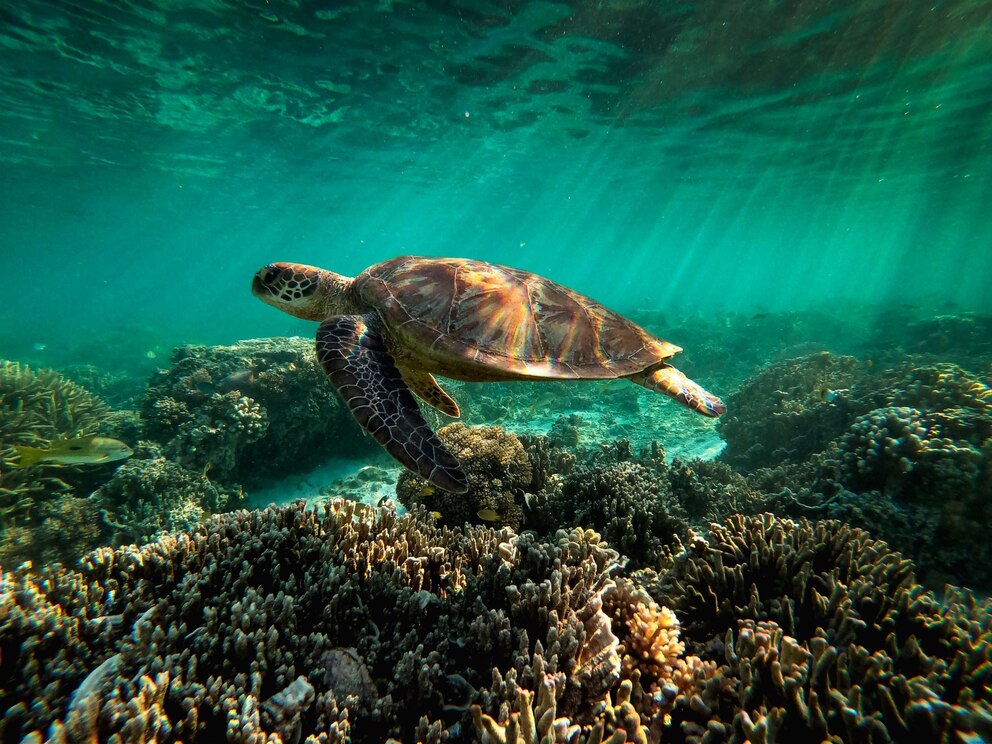
Researchers from Australia studied the influence of pollution on the sex ratio of clutches of green sea turtles, which are at risk of extinction from a current lack of male hatchlings.
They concluded that exposure to the heavy metals cadmium and antimony, accumulated by the mother and transferred to her eggs, may cause embryos to be feminized, according to the paper.
The mother turtles typically come in contact with the metals at the site where she forages, the researchers said. As eggs develop within her, they absorb the contaminants that she accumulated.
The contaminants are then sequestered in the liver of the embryos, where they can stay for years after hatching, according to the study.
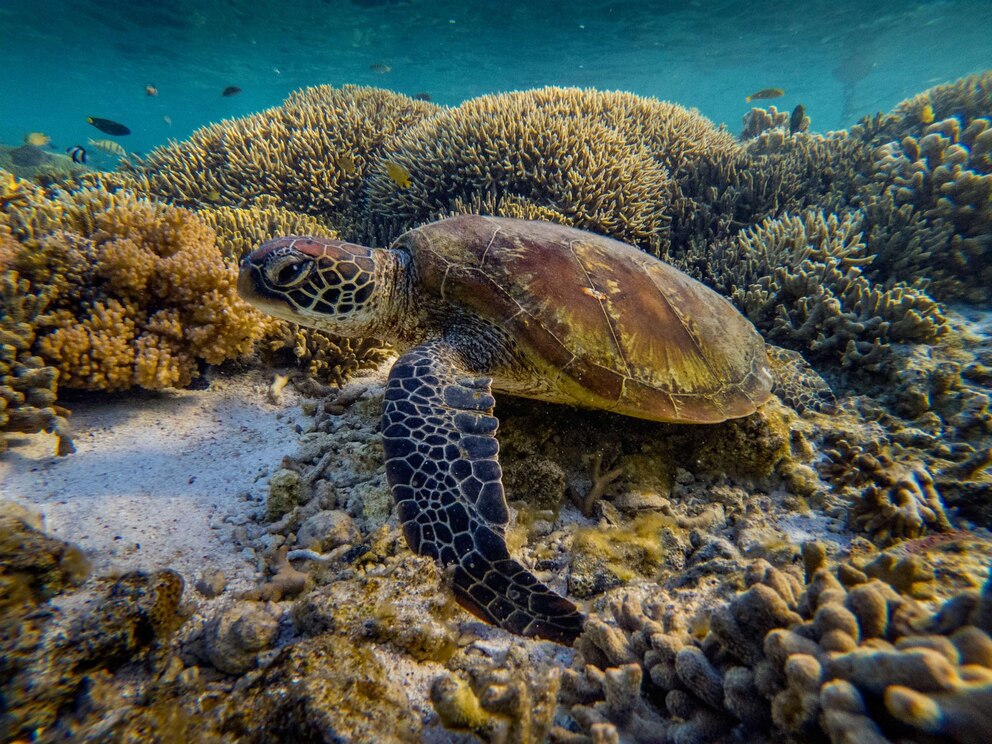
The greater the average amount of the heavy metals antimony and cadmium in the hatchlings’ liver, the greater the bias towards females within the nest, the researchers said. These contaminants mimic the function of the hormone estrogen and tend to redirect developmental pathways towards females.
"Here we show that contaminants from human activities may also influence the sex ratio of developing green sea turtles, increasing the already extant bias towards females," Arthur Barraza, a researcher at the Australian Rivers Institute at Griffith University in Queensland and lead author of the study, said in a statement.
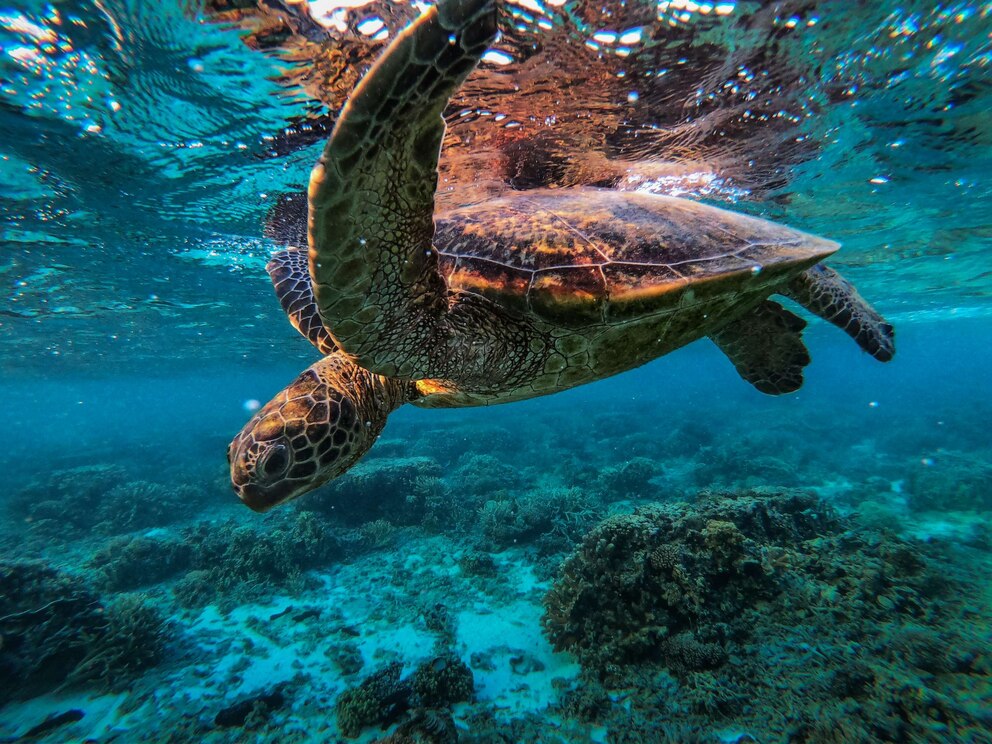
Green sea turtles, or Chelonia mydas, are listed as endangered under the International Union for Conservation of Nature's Red List of Threatened Species. Human activity such as poaching, collisions with boats, habitat destruction and accidental capture in fishing gear have led to steep declines in green turtle populations over the last century.
Rising global temperatures are another culprit of a disproportionate number of female turtles being born, experts say.
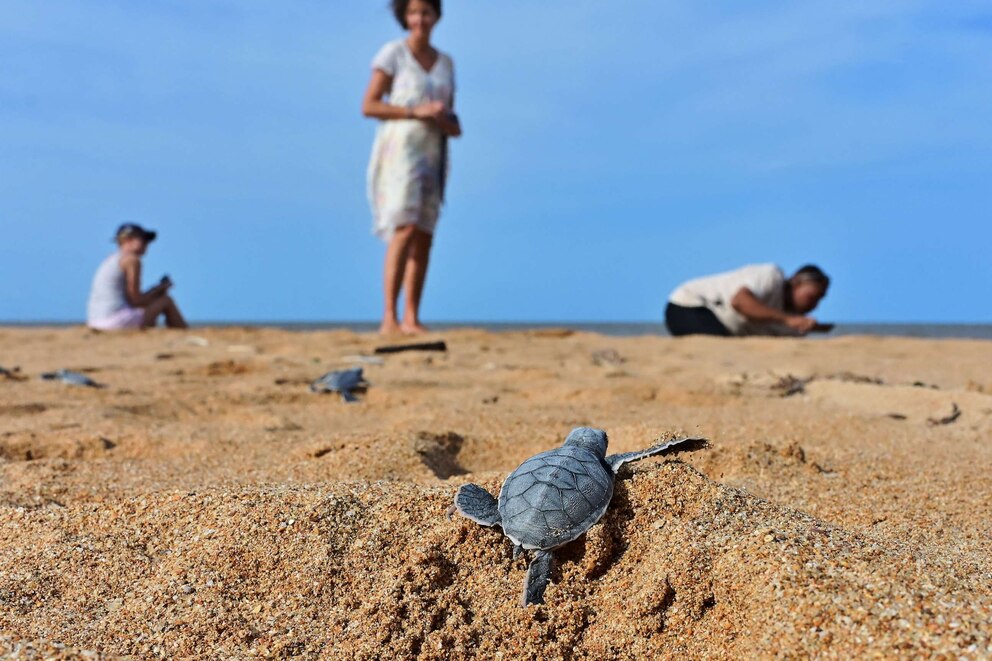
While the number of turtle nests are exploding in some parts of the world, including Florida's Atlantic Coast, the densest nesting region in the world, some nests are producing 100% female turtles, Joel Cohen, communications director for the Sea Turtle Preservation Society, told ABC News last month.
In the northern region of the Great Barrier Reef, hundreds of females are born for every male, according to the researchers.
On Heron Island, a small coral sand cay in the southern Great Barrier Reef, the sex ratio is currently more balanced than nearer the equator, with approximately two to three females hatching for every male, according to the study. Between 200 and 1,800 females come to nest there every year.
The results of the study show that pollution could compound the female-biasing influence of rising global temperatures on green sea turtles, the researchers said.
"As the sex ratio gets closer to 100% females, it will get harder and harder for adult female turtles to find a mate," Barraza said. "This becomes especially important as climate change will continue to make nesting beaches warmer and more female-biased."
If the beach gets too hot, the nests can't hatch at all. In addition, nesting habitats are shrinking, as rising sea levels erode beaches.
It will be important to determine which specific compounds could change the hatchling sex ratios to prevent pollutants from further feminizing sea turtle populations, the researchers concluded.
"Since most heavy metals come from human activity such as mining, runoff and pollution from general urban center waste, the best way forward is to use science-based long-term strategies to reduce the input of pollutants into our oceans," said Jason van de Merwe, a marine ecologist and ecotoxicologist at the the Australian Rivers Institute, in a statement.
ABC News' Rob Marciano contributed to this report.