• Video
  • Shop
  • Culture
  • Family
  • Wellness
  • Food
  • Living
  • Style
  • Travel
  • News
  • Book Club
  • Newsletter
  • Privacy Policy
  • Your US State Privacy Rights
  • Children's Online Privacy Policy
  • Interest-Based Ads
  • Terms of Use
  • Do Not Sell My Info
  • Contact Us
  • © 2026 ABC News
  • News

President Trump's tariffs have hurt US manufacturers, Fed study says
6:27
News headlines today: Dec. 23, 2020
Bloomberg via Getty Images, FILE
ByBen Gittleson
December 30, 2019, 9:02 PM

WEST PALM BEACH, Fla. -- President Donald Trump’s tariffs and the retaliation by countries he has targeted have resulted in job losses and higher costs for U.S. manufacturers, negatively affecting them overall, a federal study recently found.

Trump has made tariffs a central element of his trade policy – placing levies on hundreds of billions of dollars of goods from Asia, Europe and Latin America – and launched a trade war with China that prompted it to respond in kind with tariffs targeting U.S. manufacturers and consumers.

Those retaliatory tariffs, coupled with the higher costs, have had a larger detrimental effect than any positive benefits the president’s tariffs have created, according to a Federal Reserve study released last week.
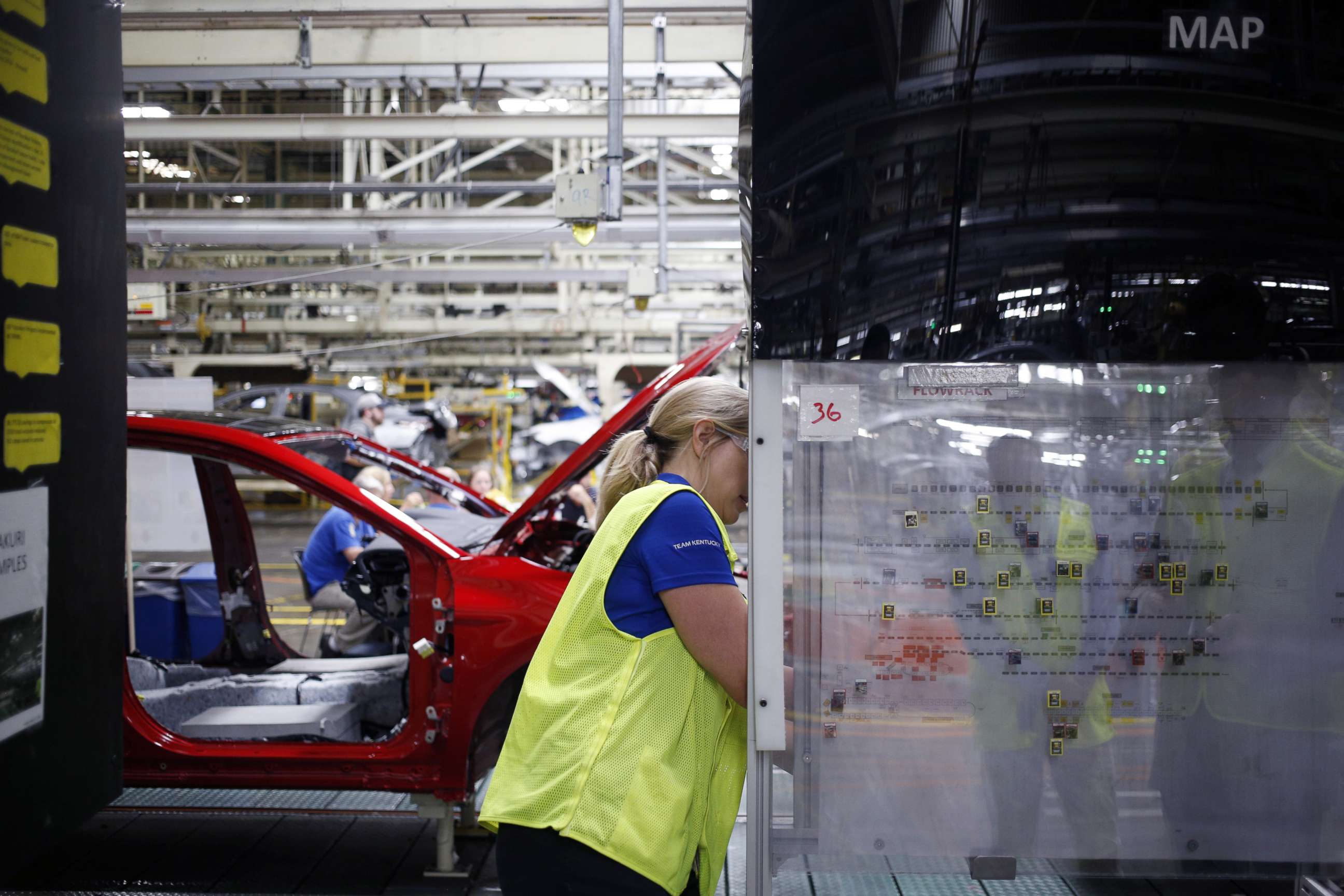
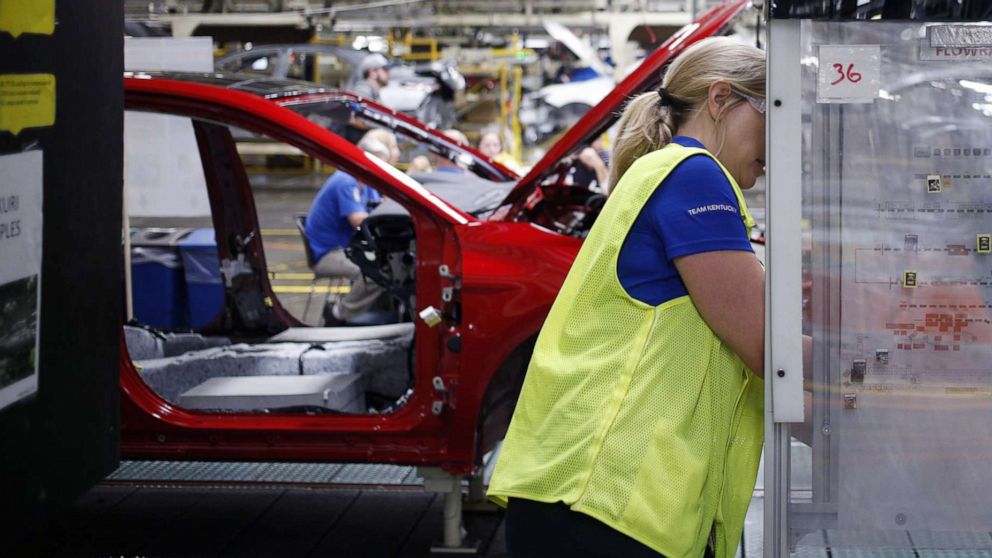
A worker views a document at the Toyota Motor Corp. manufacturing plant in Georgetown, Ky., Aug. 29, 2019.
Bloomberg via Getty Images, FILE

“[O]ur results suggest that the tariffs have not boosted manufacturing employment or output, even as they increased producer prices,” the study’s authors wrote in the study published Dec. 23. “While the longer-term effects of the tariffs may differ from those that we estimate here, the results indicate that the tariffs, thus far, have not led to increased activity in the U.S. manufacturing sector.”

Related Articles

(MORE: US-China trade war forcing many farmers to take 2nd jobs to make ends meet)

The study looked at a mix of tariffs imposed in 2018 on China, Canada, Mexico, South Korea and the European Union, as well as retaliatory tariffs.
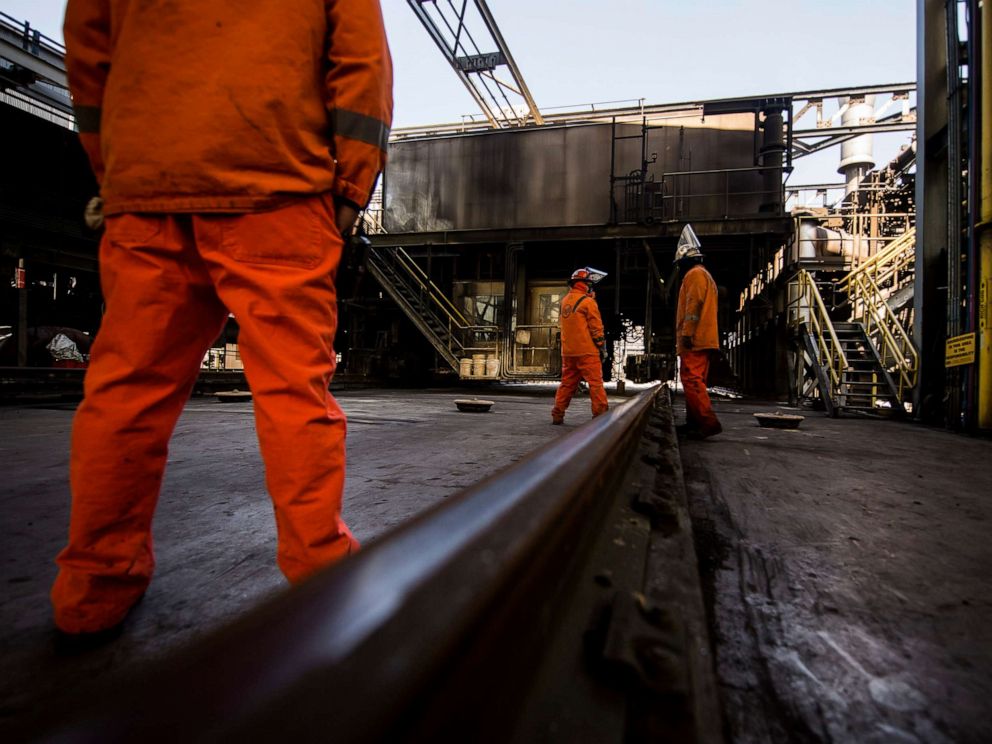
U.S. Steel employees work inside of the Clairton Coke Works facility in Clairton, Pa., on Tuesday, May 7, 2019.
Nate Smallwood/Pittsburgh Tribune-Review via AP, FILE

Since 2018, the Trump administration has slapped tariffs on hundreds of billions of Chinese goods, prompting China to respond in turn even as the two countries engaged in negotiations on a potential trade deal.

Related Articles

(MORE: US, China agree to limited trade deal, new tariffs avoided)

Earlier this month, Trump and China said they had agreed on “phase one” of a trade deal – they made a similar announcement two months before that never came to fruition – and the White House has said it would be signed in the coming weeks.

The president announced that, as a result, he would hold off enacting sanctions previously announced to go into effect this month.

Up Next in News—

This San Francisco shop is run completely by an AI agent

April 23, 2026

Mother charged after teen son allegedly hits and injures 81-year-old veteran while riding e-motorcycle

April 23, 2026

UK bill banning smoking products for those born after 2008 is one step away from becoming law

April 22, 2026

Pilot killed in Florida plane crash hailed as hero

April 21, 2026

Shop GMA Favorites

ABC will receive a commission for purchases made through these links.

Sponsored Content by Taboola

The latest lifestyle and entertainment news and inspiration for how to live your best life - all from Good Morning America.
  • Contests
  • Terms of Use
  • Privacy Policy
  • Do Not Sell My Info
  • Children’s Online Privacy Policy
  • Advertise with us
  • Your US State Privacy Rights
  • Interest-Based Ads
  • About Nielsen Measurement
  • Press
  • Feedback
  • Shop FAQs
  • ABC News
  • ABC
  • All Videos
  • All Topics
  • Sitemap

© 2026 ABC News
  • Privacy Policy— 
  • Your US State Privacy Rights— 
  • Children's Online Privacy Policy— 
  • Interest-Based Ads— 
  • Terms of Use— 
  • Do Not Sell My Info— 
  • Contact Us— 

© 2026 ABC News