Which presidential candidate gets Secret Service protection comes down to a few factors: ANALYSIS
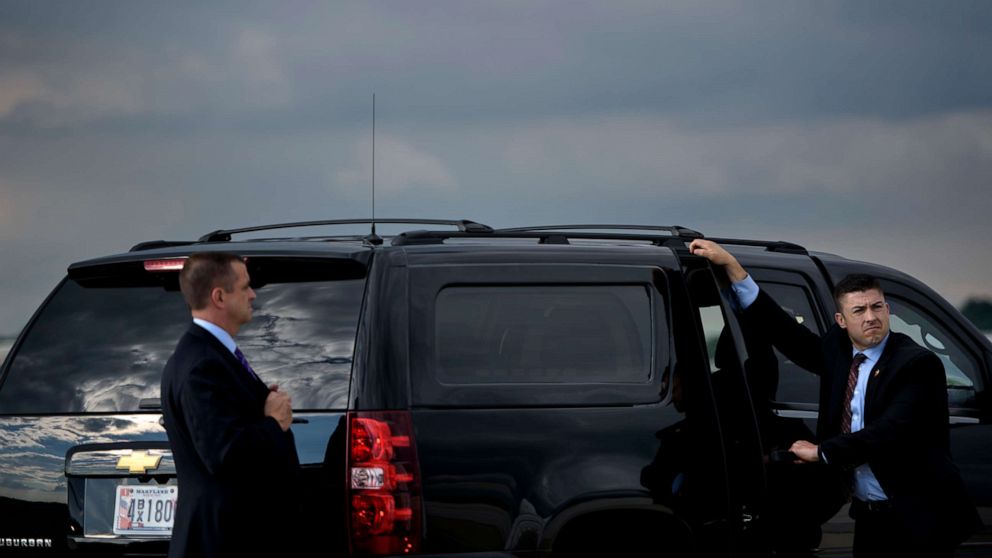
Then-Sen. Barack Obama announced his intention to run for the Democratic nomination for president in February 2007 on the grounds of the Old State Capitol in Springfield, Illinois where Abraham Lincoln delivered his "house divided" speech in 1858.
In addition to the rallies, media appearances and normal campaign events, Obama experienced what every presidential candidate should expect: threats. For Sen. Obama, the historic nature of his campaign had an increased effect on those threats, so much so that in early April of 2007, Sen. Dirk Durbin undertook the cause to ensure his fellow junior senator received protection.
By May 2007, Sen. Obama was approved for Secret Service protection by the secretary of Homeland Security, marking the first time in history a presidential candidate received Secret Service protection almost two years prior to the presidential election.
At the same time, his presumptive opponent, Sen. John McCain declined Secret Service protection until almost a year later.
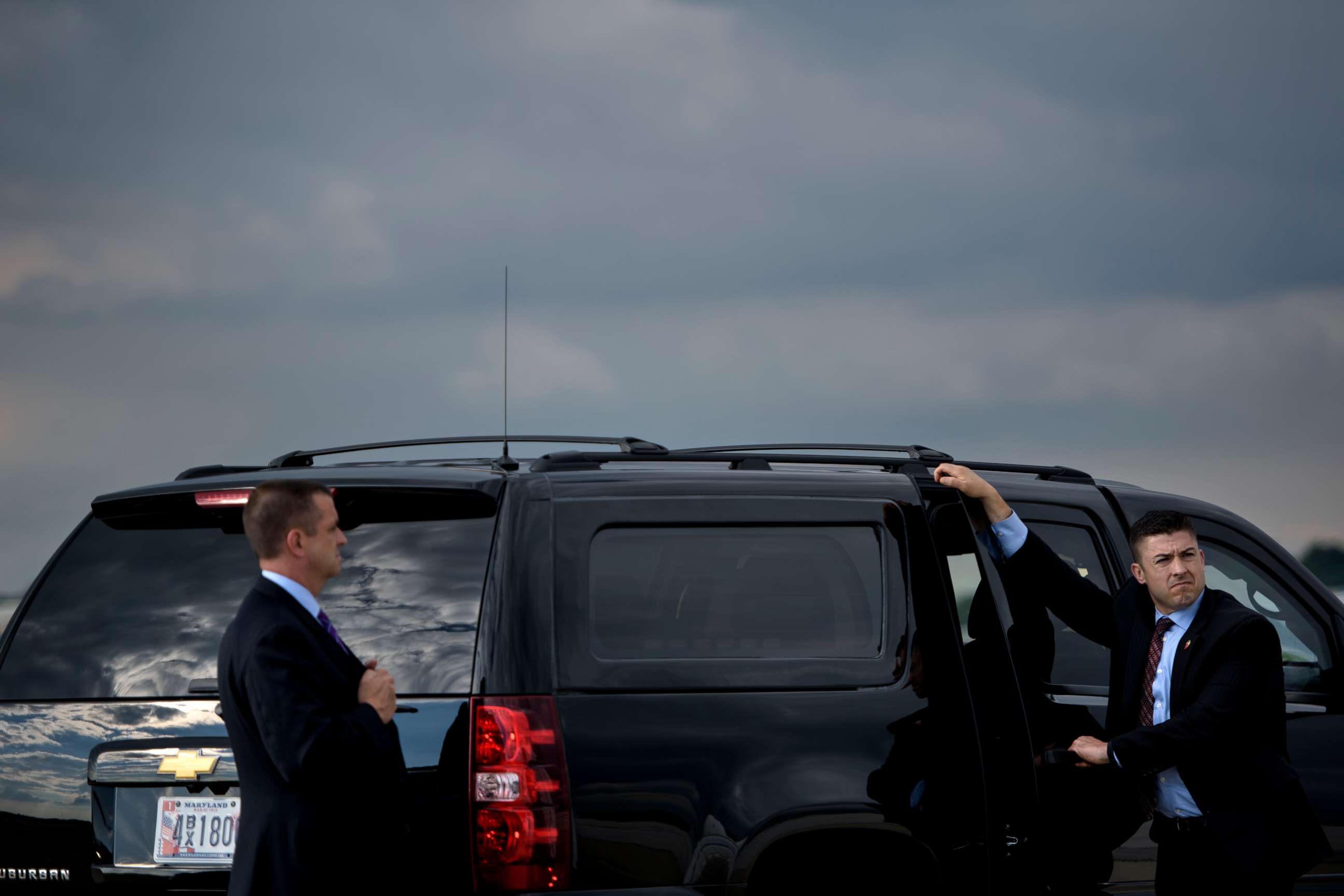
It raised important points in the question of who gets Secret Service protection, which is relevant again as the next presidential election cycle ramps up.
After Democratic nominee Robert F. Kennedy was assassinated at the Ambassador Hotel in Los Angeles following his winning the California primary in 1968, Congress changed the law to authorize Secret Service protection for major presidential and vice presidential candidates and their spouses within 120 days of the general presidential election.
The term "major presidential and vice presidential candidates" means those identified as such by the secretary of Homeland Security after consultation with an advisory committee consisting of the speaker of the House of Representatives, the minority leader of the House of Representatives, the majority and minority leaders of the Senate and one additional member selected by the other members of the committee.
A candidate has to hit several markers to show they are a "major presidential candidate." According to the Congressional Research Service, that includes:
- They are a publicly declared candidates.
- They are actively campaigning nationally and are contesting at least 10 state primaries.
- Are pursuing the nomination of a qualified party, one whose presidential candidate received at least 10% of the popular vote in the prior election.
- Are qualified for public matching funds of at least $100,000, and have raised at least $10 million in additional contributions.
- Have received by April 1 of the election year an average of 5 percent in individual candidate preferences in the most recent national opinion polls by ABC, CBS, NBC, and CNN, or have received at least 10 percent of the votes cast for all candidates in two same-day or consecutive primaries or caucuses.
Additionally, like with Obama, threats can play a determining factor as to whether a candidate should be eligible for protection. While the threat dynamic is not a stipulated point, it is reviewed and weighed as a supporting factor.
Typically, though, the threat dynamic follows candidates who are "out there" the most -- and the candidates "out there" the most are usually major candidates.
Once they hit those markers, the secretary of Homeland Security consults with the advisory committee and one additional member selected by the other members of the committee (usually from the Secret Service) and determines if a candidate is eligible for Secret Service protection.
If the candidate is eligible, they are notified of the committee's decision and asked if they would like protection.
For most candidates, the combination of enhanced safety and being able to look "more presidential" are powerful reasons to accept Secret Service protection as soon as they are eligible. While others, like Sen McCain and Rand Paul, viewed the additional security as a burden and didn’t like the thought of a "wall" being placed between them and the voters.
In the 2016 presidential election, out of the over 20 candidates in the primaries, only Donald Trump, Ben Carson and Bernie Sanders received Secret Service protection. Hillary Clinton maintained a Secret Service protective detail as a former first lady, which was increased for the campaign. Only one candidate, Sen. Ted Cruz, was eligible for Secret Service protection but declined it due to not wanting that "wall" between him and the voters.
By law, candidates don’t have to accept Secret Service protection. Only the sitting presidents and vice presidents can’t decline Secret Service protection.
But that protection comes at a cost -- about $38,000 per day per candidate. The cost of providing Secret Service protection to presidential candidates exceeds $200 million.
Over the years, with the dynamic natures of modern presidential campaigns, the costs have naturally increased. In the 2000 election, it cost around $54 million. In 2004 around $74 million, 2008 to $112 million, $125 million in 2012 and about $204 million in 2016.
As the 2020 presidential election is shaping up, we are seeing another vast field of candidates, many of whom may at some point be eligible for Secret Service protection.
Despite the costs, the American people and Congress have determined that ensuring our presidential election process and those involved in it are safe is well worth it. Our nation maintains peaceful and lawful transitions of power, and the protection of future presidential candidates by the Secret Service will ensure our election process remains so.
Donald J. Mihalek is an ABC News contributor, retired senior Secret Service agent and regional field training instructor who also serves as the executive vice president of the Federal Law Enforcement Officers Association Foundation.