Protecting natural resources could lead to less armed conflict: Report
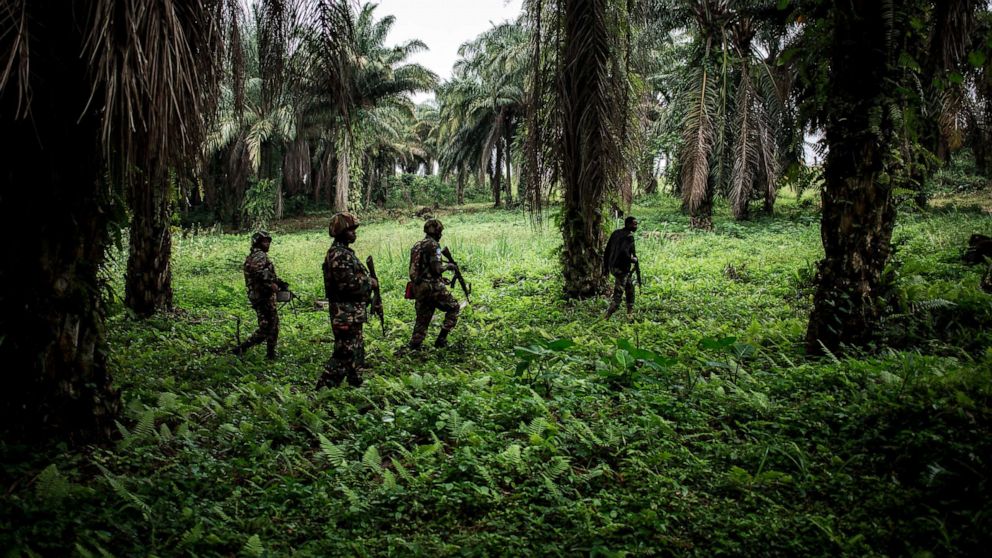
Saving the environment can also lead to one step further toward world peace, according to a new report.
Countries with scarce natural resources tend to be more prone to armed conflict, so the conservation and sustainable management of those natural resources likely will aid in increasing the chances of building and preserving peace, the report, published by the International Union for Conservation of Nature on Tuesday, found.
The degradation of nature also is associated with increased risk of armed conflict, according to the report, which examines how the environment affects armed conflicts and how conflicts, in turn, can affect the natural world and those working to conserve it.
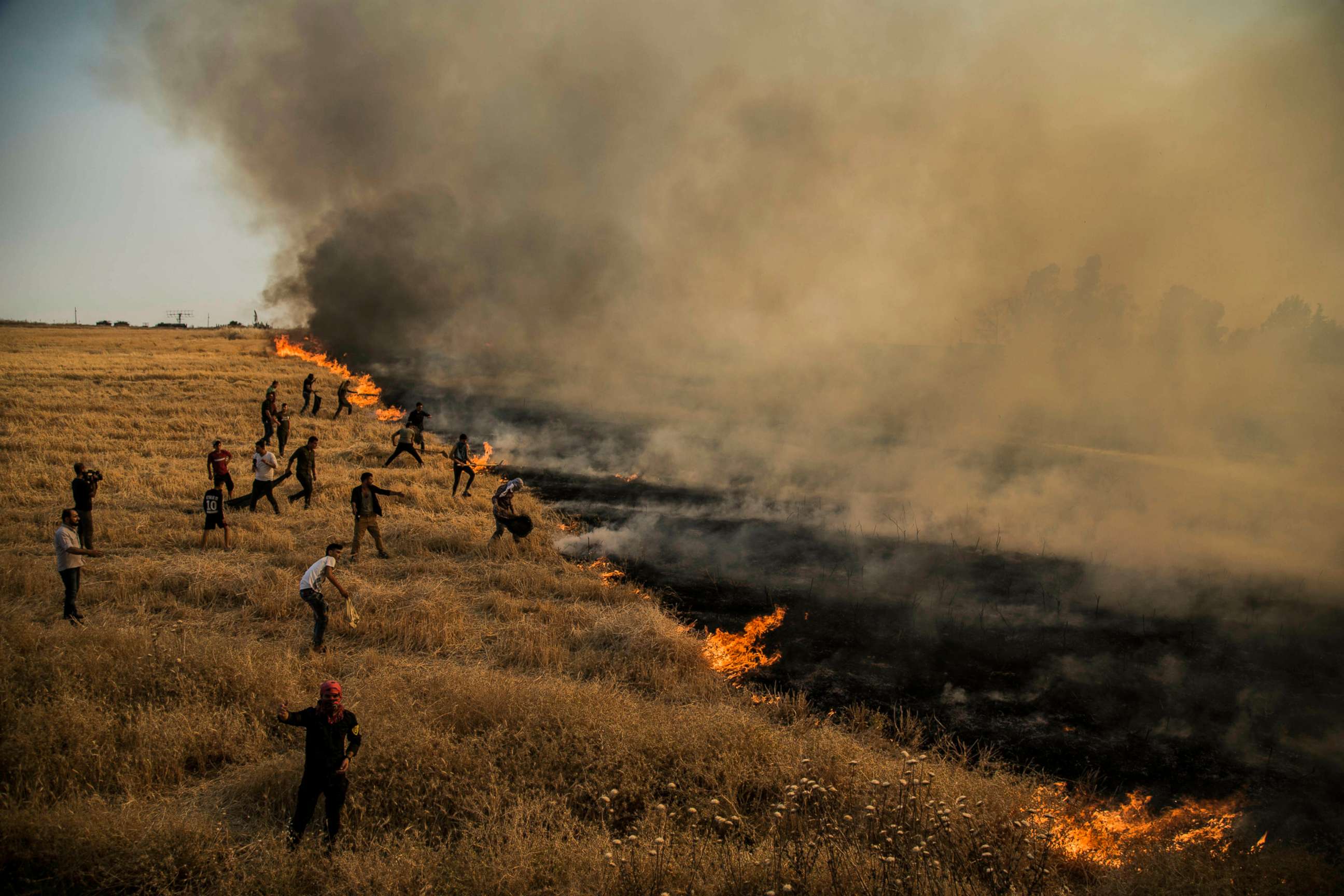
The authors analyzed how armed conflict events over the past 30 years are related to the availability and productivity of arable land, the prevalence of drought and the percentage of a country's rural population as a measure of its dependence on nature.
Countries are more conflict-prone when less agricultural land is available or if it is less productive, the report found. Countries are also more conflict-prone when they are more dependent on natural resources or when drought events are frequent.
Armed conflict also has numerous effects on the environment, including the direct killing of wildlife for food or trade, degradation of ecosystems as both a tactic and a consequence of war, and the disruption of conservation through attacks on protected area staff and other conservationists, according to the report.
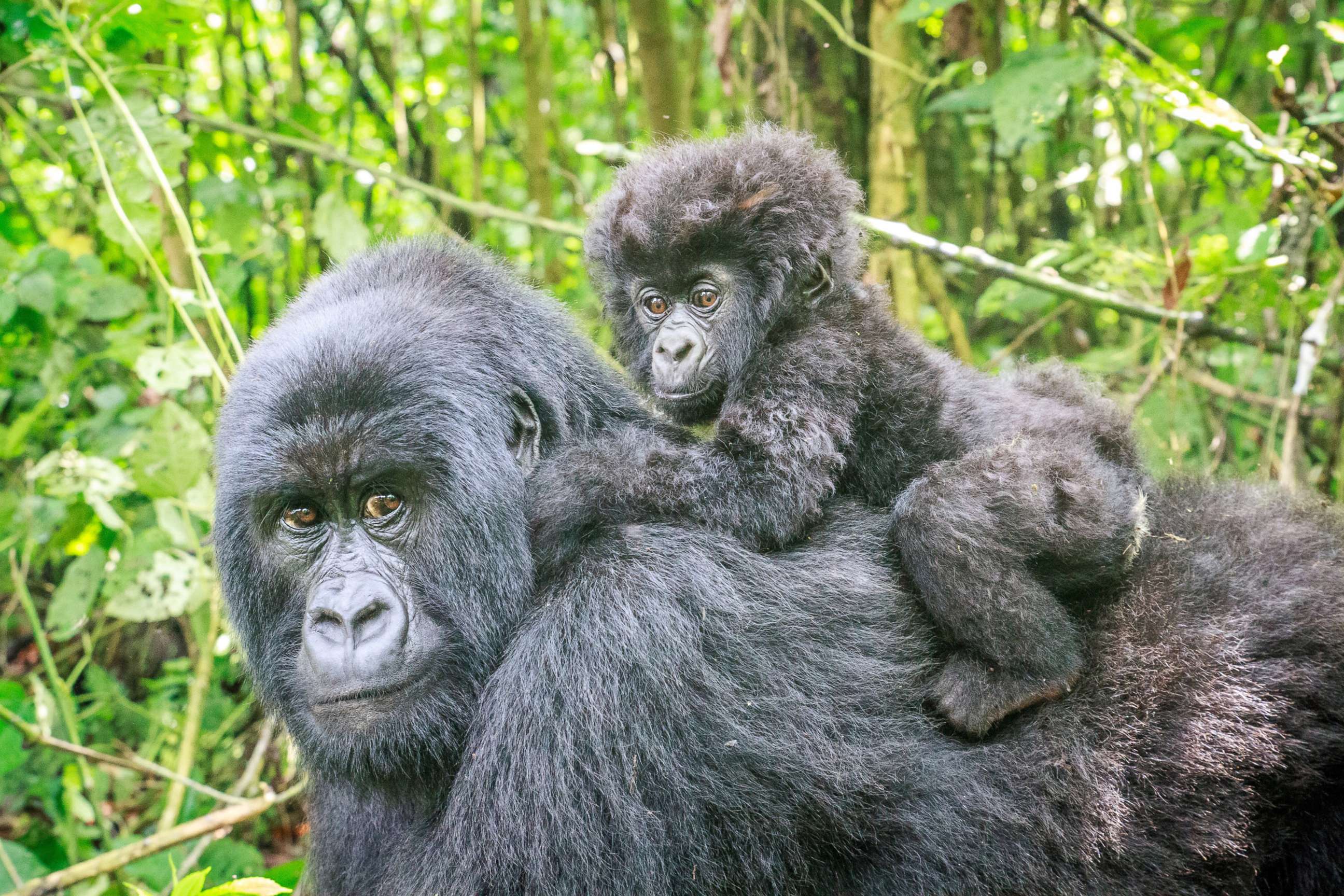
Armed conflict is "particularly prevalent" in some of the more biodiverse areas of the world, the report found. Civil unrest and military exercises pose a risk to more than 200 threatened species, including the Eastern gorilla, which is critically endangered.
Within the boundaries of protected areas, conflict is less frequent than what would be "statistically expected," the study found. Protected areas cover an estimated 15% of land on Earth but have overlapped with only 3% of the more than 85,000 conflict events over the last 30 years.
Armed conflict, defined as an incident where armed force was used by an organized actor and led to at least one death, has been increasing over the past 30 years but not exceeding more than 7,000 events a year, according to the report. While these events are distributed throughout the world, they're concentrated in sub-Saharan Africa and West and South Asia.
The report, titled "Nature in a Globalised World: Conflict and Conservation," recommends a series of policy options to address links between nature and conflict, including sanctions against those who commit environmental war crimes and the establishment of explicit protections for protected area staff, environmental defenders, and other conservationists.
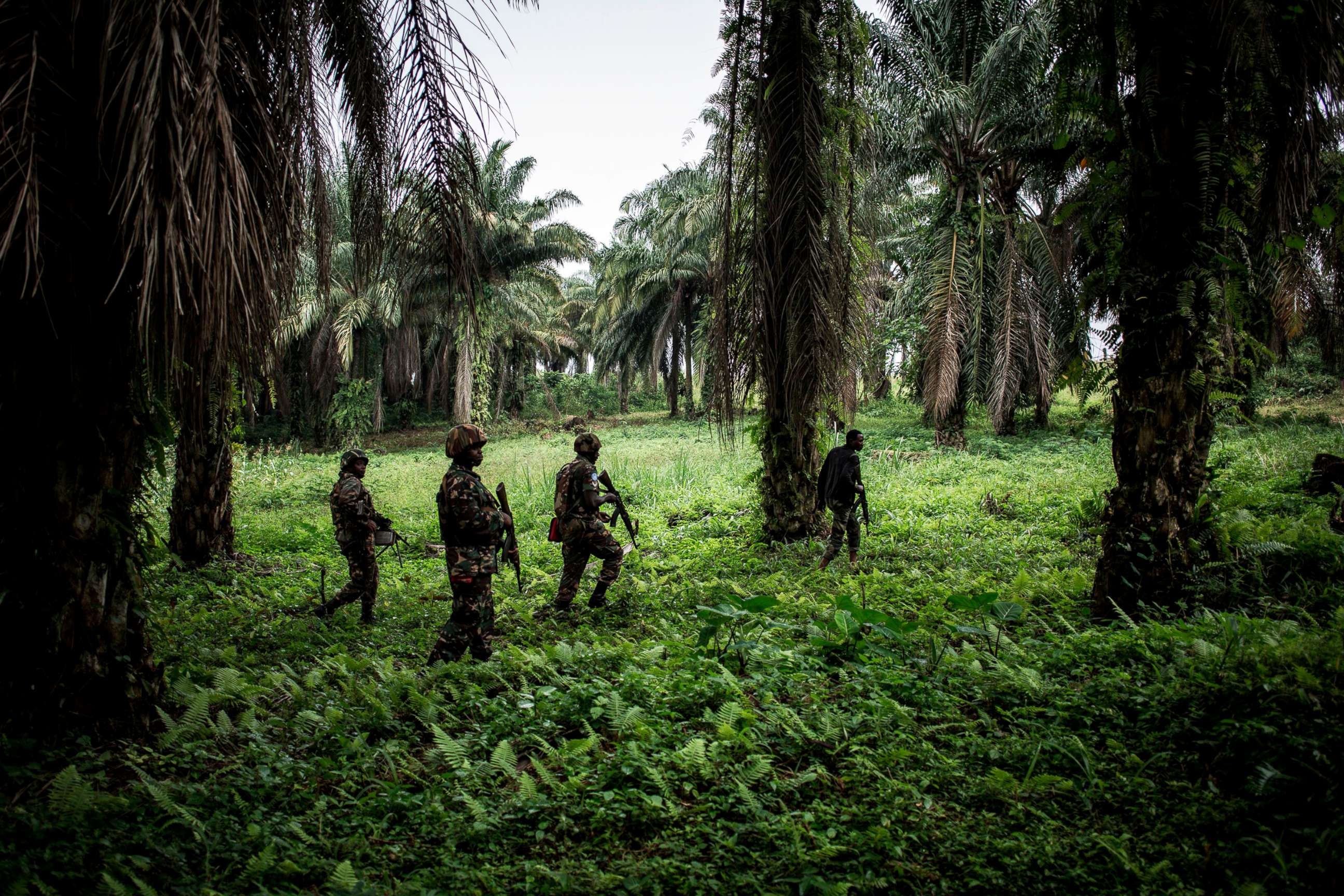
Conservation also must continue, even in war-torn regions, and conservation engagement in post-conflict areas is also essential to mitigate what is often "extremely severe pressures on nature following the cessation of hostilities in war-stricken regions," the report determined.
"These findings suggest that conservation, restoration and sustainable management of natural resources can help reduce the pressures that drive conflict by improving the condition and productivity of the landscape," Juha Siikamäki, IUCN's chief economist, said in a statement. "As environmental degradation and climate change intensify, it is becoming increasingly important to factor in the links between conflict and nature when formulating security, development and environmental policy."