Should pulse oximeters be used at home to track coronavirus symptoms?
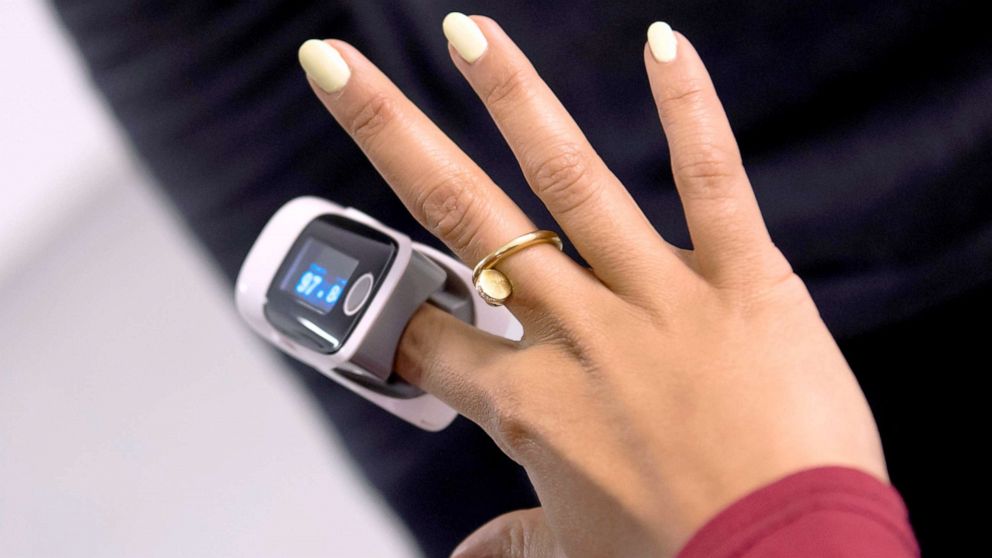
Lung problems like pneumonia and respiratory failure can be some of the most severe symptoms of COVID-19. Knowing how your lungs are doing could help calm a lot of nerves. Advice found on YouTube and social media is gaining traction, turning some toward the use of a pulse oximeter to monitor their oxygen levels at home.
For people who already have the pocket-sized device at home due to an underlying health condition, it's fine to continue using it -- but doctors say for most people it’s not needed, and may even be a bad idea.
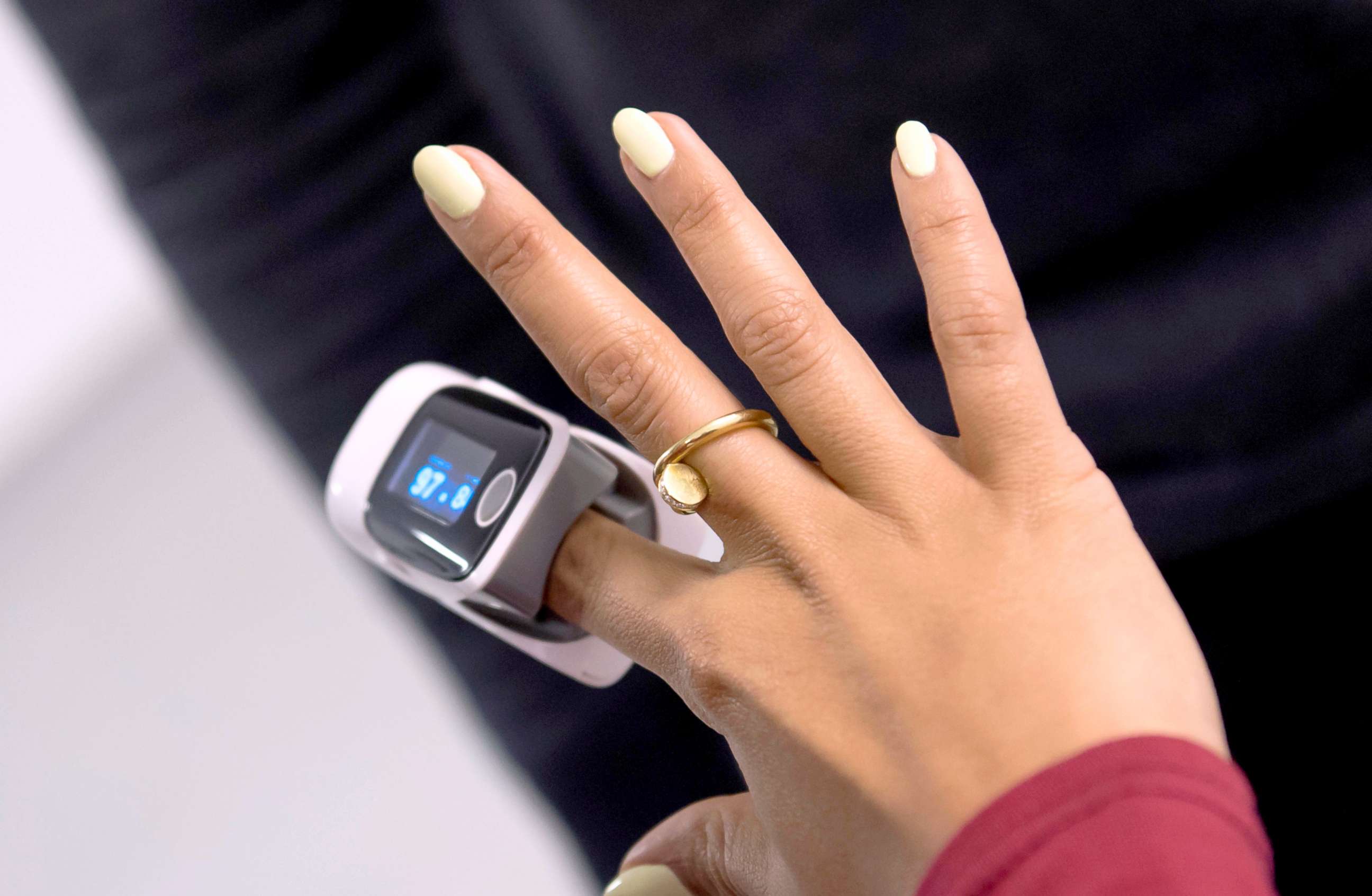
A pulse oximeter, also called a "pulse ox," painlessly clips to your finger and uses light to determine the percentage of oxygen in your blood and your heart rate. The device is typically found in a doctor's office, but some versions are available for sale on Amazon and at medical supply stores. Normally, this information helps your clinician determine if you need supplemental oxygen.
The American Thoracic Society feels most people do not need a pulse oximeter. Some people are prescribed a pulse ox for conditions that cause them to have periods of low oxygen or certain underlying lung conditions, or for when they're exercising or traveling to high altitudes.
If you fall outside of those categories, you can ask your doctor if a pulse ox is something you really need.
Dr. Len Horovitz, internist and pulmonologist at Lenox Hill Hospital in New York City, said he recommends home pulse oximeters to many of his patients, but noted that for the people without an underlying respiratory disease, they are likely not necessary and may make people anxious if they feel the need to frequently check their oxygen levels.
"Keep in mind a pulse ox is only good if you have the ability to supply supplemental oxygen," said Dr. Eric Cioe-Peña, director of global health at Northwell Health in New Hyde Park, New York. "So it is good for triage for those who are medically frail. But it is not a tool for everyone to have at home because, regardless, if the outcome is your oxygen saturation is low, you will need to go to a hospital."
Having technology available literally at our fingertips doesn’t always mean we should use it. "You do not need this if you are 30 and have no medical condition," Cioe-Peña said.
Although pulse oximeters are commercially available, they come at many price points and the quality can vary greatly. There is no good way to know whether a home pulse ox is reading accurately. Additionally, the range of what is considered normal can vary from person to person, so the best person to interpret a pulse oximeter reading is a physician.

Having a pulse ox at home may help with your desire to have some control during an overwhelming situation like a pandemic -- but it may also create more stress. If you are short of breath from climbing a set of stairs, you may have not noticed before, but experts worry that people without a medical degree might jump to conclusions.
People can feel short of breath for many reasons, and it does not necessarily mean there is an underlying problem. Horovitz noted if you feel short of breath, there are several ways to determine if your breathing is OK without a pulse ox.
That includes a simple test: Check to see if you are taking 12-18 breaths per minute, which is a perfectly normal range. Alternatively, if you can speak in full sentences and go about your day without feeling short of breath, doctors say you probably have enough oxygen in your blood.
Doctors interviewed by ABC News also cautioned people against buying pulse oximeters due to the ongoing shortage of medical supplies, which are desperately needed in hospital settings.
"As we expand beds in all these acute care areas that we are creating all over, we won’t have these pulse oximeters built into the walls so we are going to need them on these portable devices," Cioe-Peña said. "Having 90% of America order them on Amazon isn’t going to do us a favor."
And even if a home pulse oximeter shows your blood oxygen level is normal, it doesn't necessarily mean you do not have the virus. While shortness of breath and low oxygen levels can be a sign of COVID-19 infection, a pulse-oximeter is not the best way to determine if you truly have it.
If you are concerned about having COVID-19, you should call your primary care physician for guidance on where and how to get tested. If you are having trouble breathing, you should call 911 or head to your nearest emergency room.
Delaram J. Taghipour, M.D., M.P.H., M.B.A., is a preventive medicine resident physician at Johns Hopkins Bloomberg School of Public Health, and Nancy A. Anoruo, M.D., M.P.H., is an internal medicine resident physician at the University of Massachusetts Medical School. Both are contributors to the ABC News Medical Unit.
What to know about the coronavirus:
- How it started and how to protect yourself: Coronavirus explained
- What to do if you have symptoms: Coronavirus symptoms
- Tracking the spread in the U.S. and worldwide: Coronavirus map
Tune into ABC at 1 p.m. ET and ABC News Live at 4 p.m. ET every weekday for special coverage of the novel coronavirus with the full ABC News team, including the latest news, context and analysis.