While in self-quarantine, Sen. Ted Cruz critical of Trump administration's handling of coronavirus testing
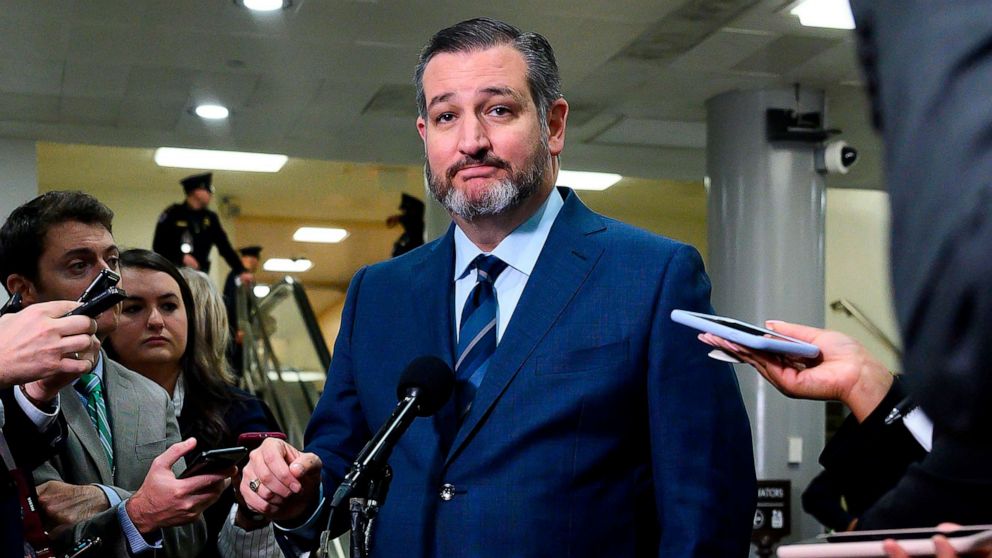
Sen. Ted Cruz, R-Texas, has been a loyal supporter of President Donald Trump, but he was critical of the administration’s response to the ongoing public health crisis over novel coronavirus and its rollout of tests, saying it was "undoubtedly" too slow.
"There are areas in the public health crisis that I think the administration has done well," Cruz, who remains in self-quarantine due to the virus, told ABC News Live Friday evening. "There are areas where they have not done as well, and they need to do better."
"I think the rollout of the test was clearly problematic," he added. "There were mistakes in terms of the efficacy."
He later added that tests should have been delivered across the country "with speed and efficiency," and said that the "bureaucracy was a little bit slow in bringing the private sector into it."
Tune into ABC News Live at noon EDT every weekday for the latest news, context and analysis on the novel coronavirus, with the full ABC News team where we will try to answer your questions about the virus.

On Friday afternoon, Trump announced that he was declaring a national emergency to deal with the crisis, which would provide $50 billion toward helping states, territories and localities fight against the spread of the virus. Private sector companies like Google, CVS, Walgreens and more will also be involved in helping address the crisis, such as allowing citizens to do drive-by testing from certain parking lots.
Cruz acknowledged that responding to any public health crisis is complicated and difficult, and that reacting to the coronavirus should be bipartisan.
Cruz spoke to ABC News over the phone since he has been self-quarantining for over five days. While he said he has "no symptoms" of the novel coronavirus and is "feeling terrific," he is doing so out of an abundance of caution since he interacted with two people who have now been confirmed to have the disease. He had briefly interacted with a person who is now infected by the coronavirus at the Conservative Political Action Conference last month.
And on Thursday night, he was informed that he had interacted with another person who tested positive.
"On March 3, I met in my D.C. office with Santiago Abascal, the leader of the Vox Party in Spain," Cruz said in a statement. "We met for about 20 minutes, sitting together at a conference table. We shook hands twice and took pictures together."
Cruz is extending his self-quarantine to March 17, which is 14 days after his meeting with Abascal.
"So I am once again sitting in my home," Cruz told ABC News, "but working from home, and engaging in the government response to this growing public health crisis."
Cruz is not the only member of Congress to self-quarantine. In total, nine senators and congressmen and women have announced that they are self-quarantining, including Sen. Lindsey Graham, R-S.C., Sen. Rick Scott, R-Fla., Rep. Matt Gaetz, R-Fla., Rep. Don Beyer, D-Va., Rep. Julia Brownley, D-Calif., Rep. Douglas A. Collins, R-Ga., Rep. Paul A. Gosar, R-Ariz., and Rep. Mark Meadows, R-N.C.
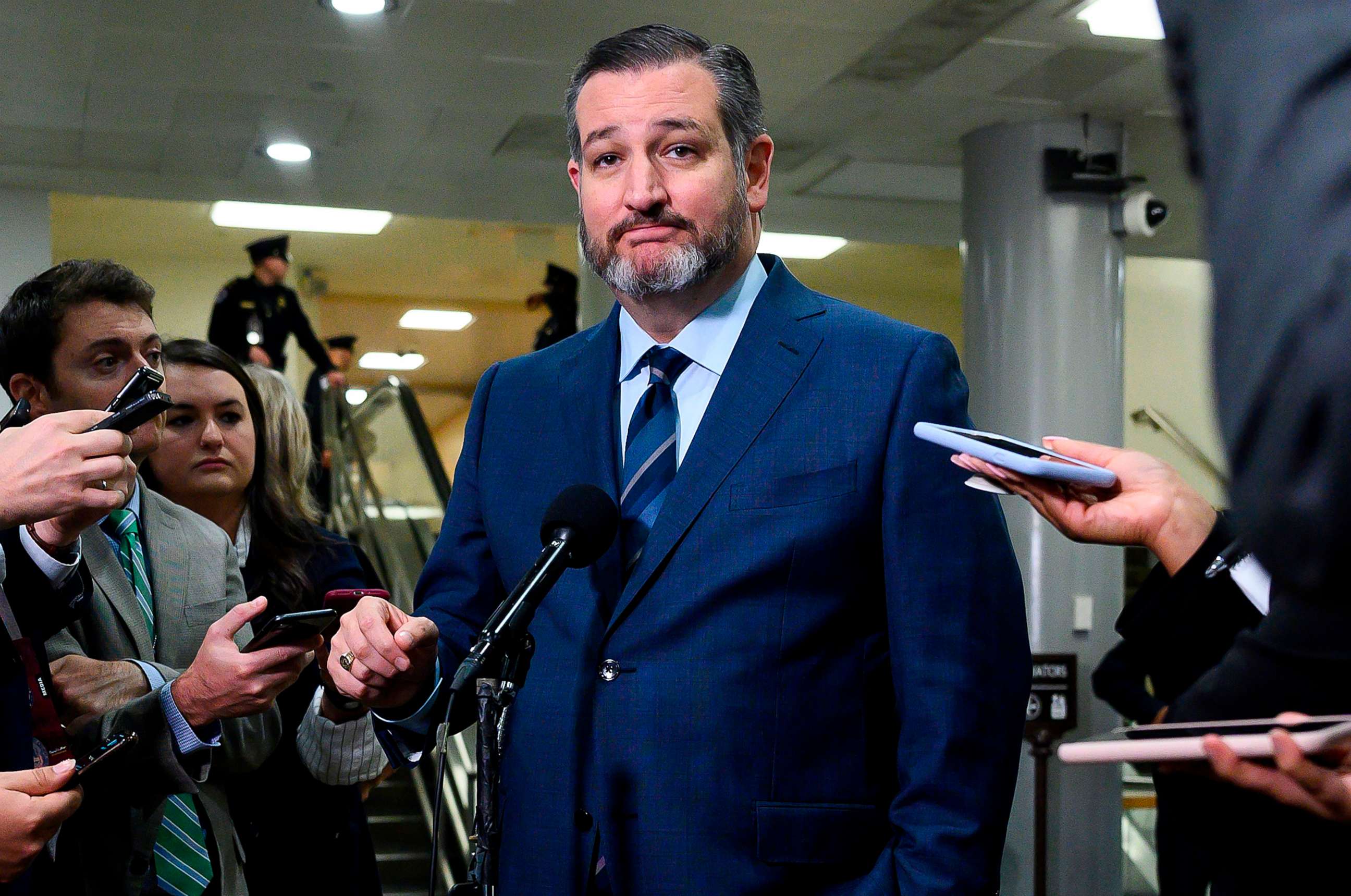
Cruz told ABC News he has not been tested for the coronavirus because he has not shown any symptoms and was following the advice from his physicians. He said if he does see symptoms, then testing would make sense.
Agreeing with medical professionals and world health organizations, Cruz said the best course of action is to limit the spread of the coronavirus by "social distancing."
"It's one of the reasons why I decided myself to self-quarantine," Cruz told ABC News. "The doctors advised me based on the contact I had that the likelihood of contraction of the virus was quite low, but I thought it was the right thing to do to minimize my contact with others so that if I had contracted the virus, I would not be at risk of passing it on to anyone else."
Notably, Trump has not practiced self-quarantining or social distancing. On Friday afternoon he was seen shaking hands and giving congratulatory pats on the back to members of the coronavirus task force and private sector leaders.
Trump did say he will "most likely" get tested for the coronavirus, despite not showing any symptoms.
"I think we need to do much much more to make tests available widely and publicly," Cruz said.
The Trump administration has been facing mounting criticism over its response to the situation. Trump himself repeatedly said he’s "not concerned," despite world health organizations calling the novel coronavirus a global pandemic.

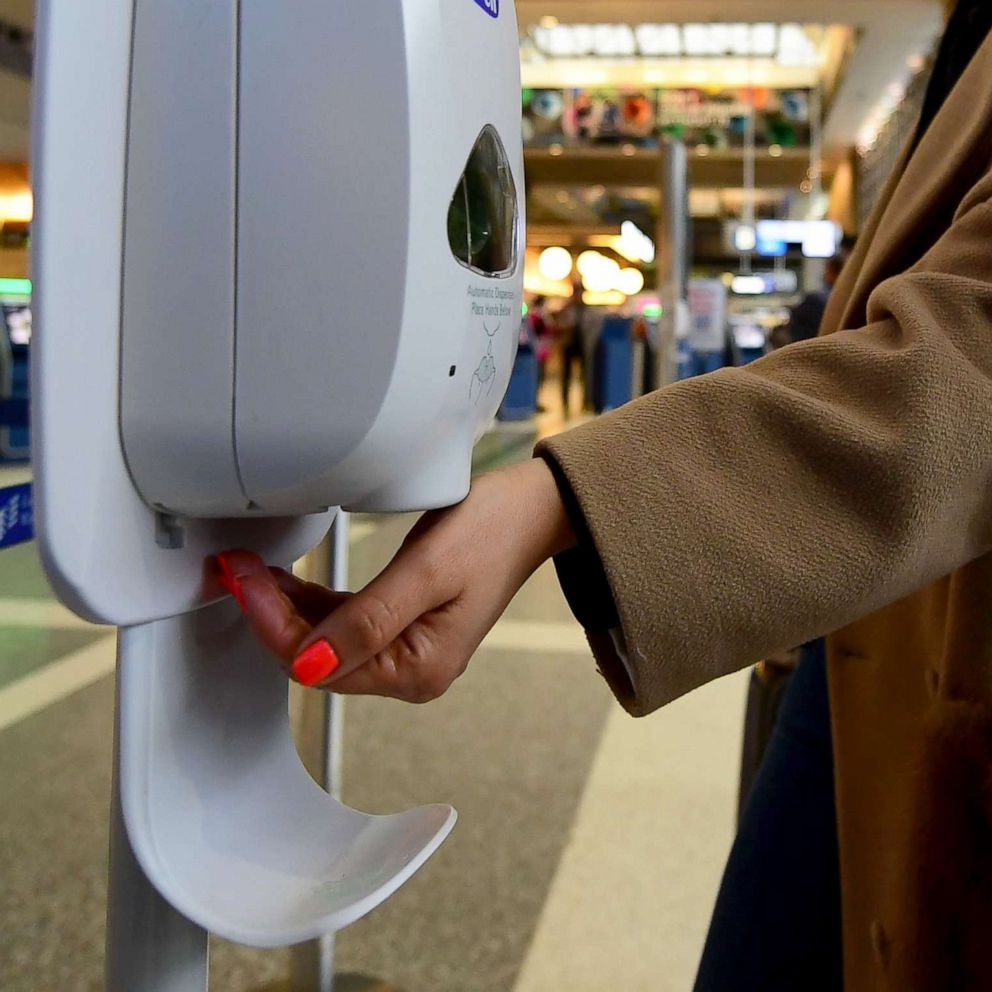

"I think we've made major steps in the last 48 hours in that regard, in particular, seeing private labs stepping forward to fill some of the capacity," Cruz told ABC News. "But I'm urging the administration, I’m urging Congress, to make the test widely available so that anyone who is experiencing symptoms can be tested."
Cruz also said he is urging the administration to improve protective gear for first responders and give hospitals and health systems the flexibility to expand their capacity and inventory -- like having more ventilators.
"If God forbid, we see a dramatic increase in the number of people suffering from this public health outbreak, we need to make sure that we have sufficient medical equipment to care for them," Cruz said.
Finally, Cruz said emphasis needs to be on finding and developing a vaccine for the coronavirus.
"I have been filing legislation to speed up the FDA approval process and, in particular, to pass legislation that I call the Results Act, that says that any pharmaceutical device or medical device approved in another major developed country, like Canada, like Europe, that the FDA has 30 days to approve it here if it is directed towards the coronavirus, so that we can get the medical tools we need to defeat this epidemic," said Cruz.
Shortly before 1 a.m. on Saturday morning, the House passed the Families First Coronavirus Response Act by a vote of 363-40, sending the economic stimulus package to the Senate. Trump tweeted his support of the bill, saying the health and well-being of Americans come first and that it is "nice to see" the good teamwork between Republicans and Democrats.
The Senate is expected to consider the bill Monday afternoon, after it returns to session at 3 p.m. On Friday evening, Cruz said he had not committed to voting for the aid package, adding he needs to "see the specifics" and "assess it on the merits."
ABC News' John Parkinson contributed to this report.