Why the rain that caused Texas flash flooding was so extreme
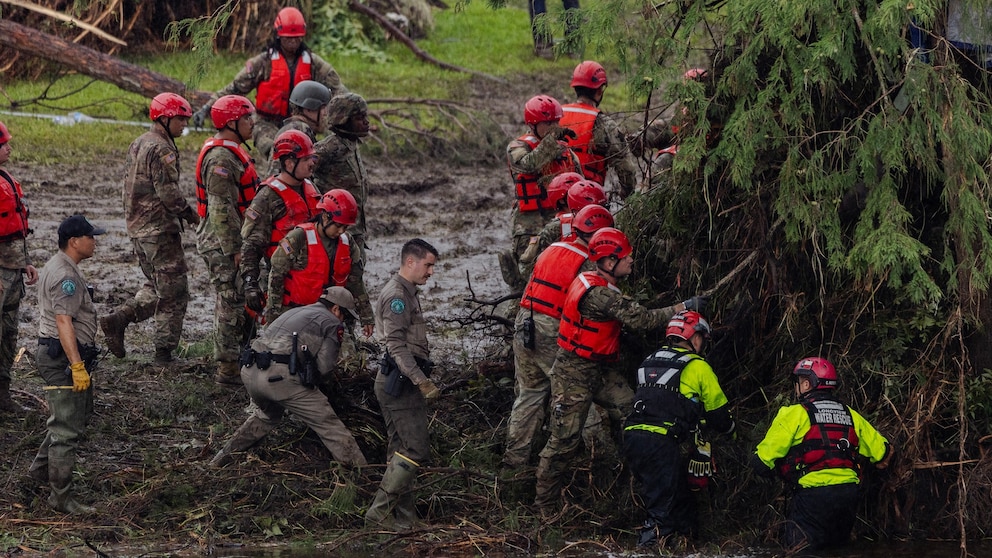
The torrential rain that turned a river in Texas into a raging wall of water was fueled by unique atmospheric conditions, according to meteorologists and climate scientists.
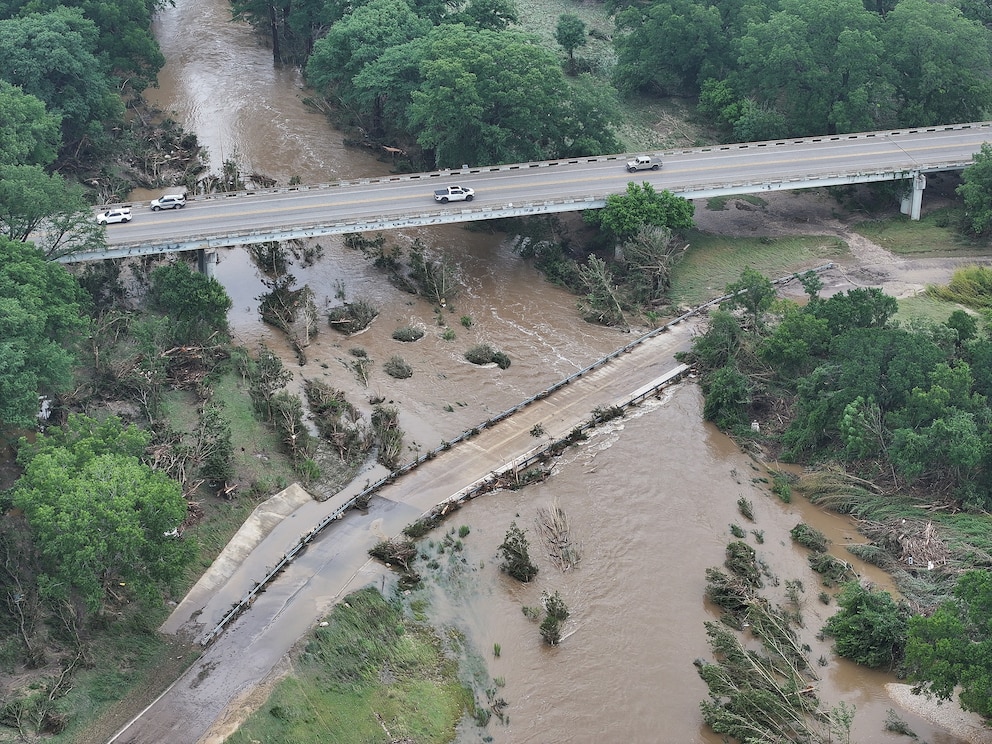
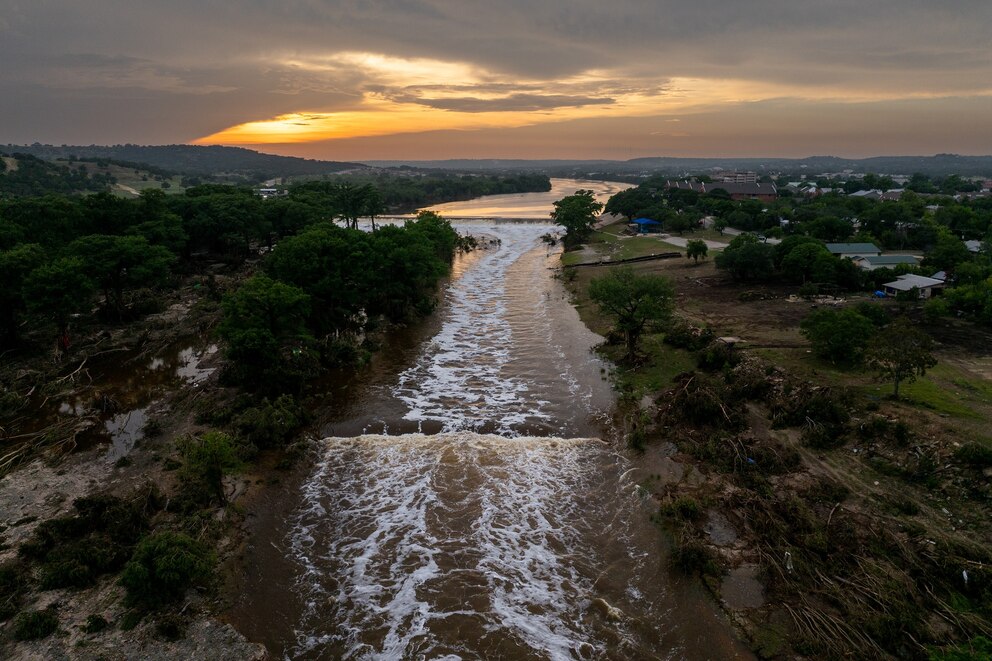
On Friday, heavy rain pounded the region, causing the Guadalupe River in Kerr County to rise 26 feet in less than an hour -- the second-highest on record, officials said. "Extraordinary" rainfall rates of 2 to 4 inches per hour in some areas -- such as Kerr County and Mason County -- equated to up to 18 inches in some spots, Marshall Shepherd, director of the Atmospheric Sciences Program at the University of Georgia and former president of the American Meteorological Society, told ABC News.
Atmospheric conditions in place over the Southern Plains at the time favored slow-moving thunderstorms, which increased the odds of heavy rain and flash flooding due to the ability for thunderstorms to remain over the same area for hours.
In addition, the region favors heavy rainfall events.
The atmospheric conditions were further enhanced by an abundant amount of tropical moisture coming from several sources: the Gulf, monsoonal moisture from the eastern Pacific and remnant moisture from Tropical Storm Barry, which made landfall on the east coast of Mexico on June 29. While the weak system quickly dissipated as it tracked inland, its remnant circulation continued to quietly linger up north toward the Texas-Mexico border, bringing some tropical moisture from the Bay of Campeche up to Texas.
An extremely high level of atmospheric moisture over the region provided ample fuel for persistent torrential rain and extreme totals.
There were "some very clear meteorological signals," such as a tilted trough and a mesoscale convective vortex, that contributed to the extreme precipitation, Shepherd said.
The mesoscale convective vortex essentially spun the remnants of the tropical system, causing significant ascent or rising motion to activate that moisture into condensation and precipitation in an efficient manner, according to Shepherd.
As a result, there were "very extreme" precipitable water values, which is the measure of how much water would contend to be rained out of a column. It's one of the "telltale signals" that meteorologists look for in flooding events, he noted.
"Those are sort of the worst-case ingredients, from a meteorological standpoint," Shepherd said.
One of the "clearest impacts" of climate change will be more frequent heavy rainfall events, like what happened in Texas over the weekend, Jennifer Francis, an atmospheric scientist at the Woodwell Climate Research Center, told ABC News.
"Extra heat-trapping gases in the air that mostly come from burning fossil fuels, are warming the atmosphere and oceans," Francis said.
Human-amplified climate change is causing extreme rainfall events to become more frequent and more intense, according to the U.S. Fifth National Climate Assessment, a breakdown of the latest in climate science by 14 different federal agencies, published in November 2023. More intense extreme rainfall events also increase the frequency and scale of flash flooding as the influx of water is more than our infrastructure was built to handle.
Human-amplified climate change has contributed to increases in the frequency and intensity of the heaviest precipitation events across nearly 70% of the U.S., according to the climate assessment.
While Texas is no stranger to heavy rains and floods, they will only worsen as heat-trapping greenhouse gases continue to be emitted into the atmosphere, Francis said.
"We know that climate change is supercharging extreme rainfall and raising the risk of flash flooding events like we saw in Texas," Rachel Cleetus, policy director and lead economist for the climate and energy program at the Union of Concerned Scientists, told ABC News.
As a result, the Gulf has heated up "dramatically" in recent decades, Francis said.
"That warmer water evaporates more moisture into the air, providing more moisture and energy for any storms that come along," she said.
ABC News' Matthew Glasser contributed to this report.