• Video
  • Shop
  • Culture
  • Family
  • Wellness
  • Food
  • Living
  • Style
  • Travel
  • News
  • Book Club
  • Newsletter
  • Privacy Policy
  • Your US State Privacy Rights
  • Children's Online Privacy Policy
  • Interest-Based Ads
  • Terms of Use
  • Do Not Sell My Info
  • Contact Us
  • © 2026 ABC News
  • News

Rats can learn to drive, new study shows
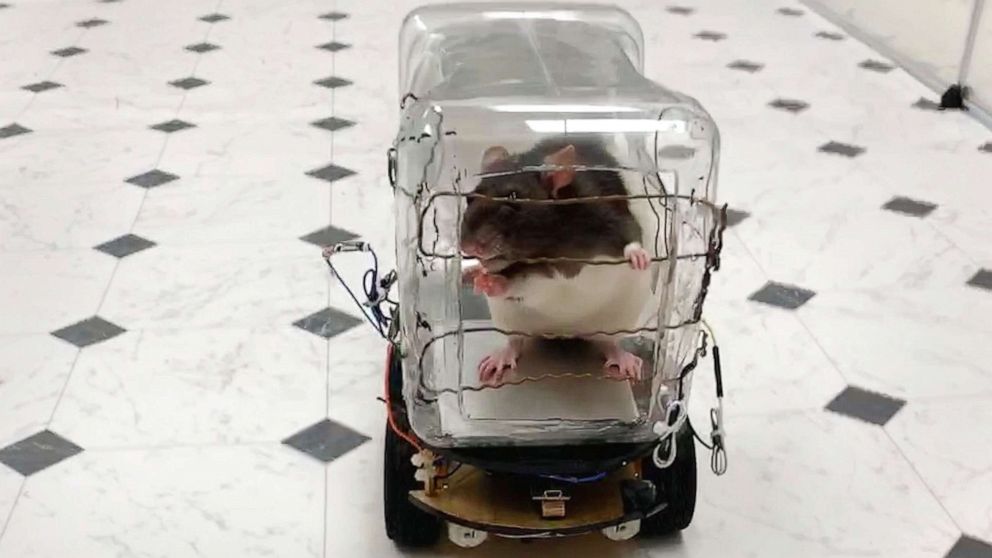
0:46
Rodents get behind the wheel
University of Richmond via AFP/Getty Images
ByElla Torres
October 24, 2019, 3:35 PM

Rats at the University of Richmond were operating a different kind of wheel for this experiment.

Researchers at the college trained six female rats and 11 male rats how to drive a "rodent operated vehicle," which was constructed using a one-gallon plastic container, according to a study published on Oct. 16 in Behavioural Brain Research journal.
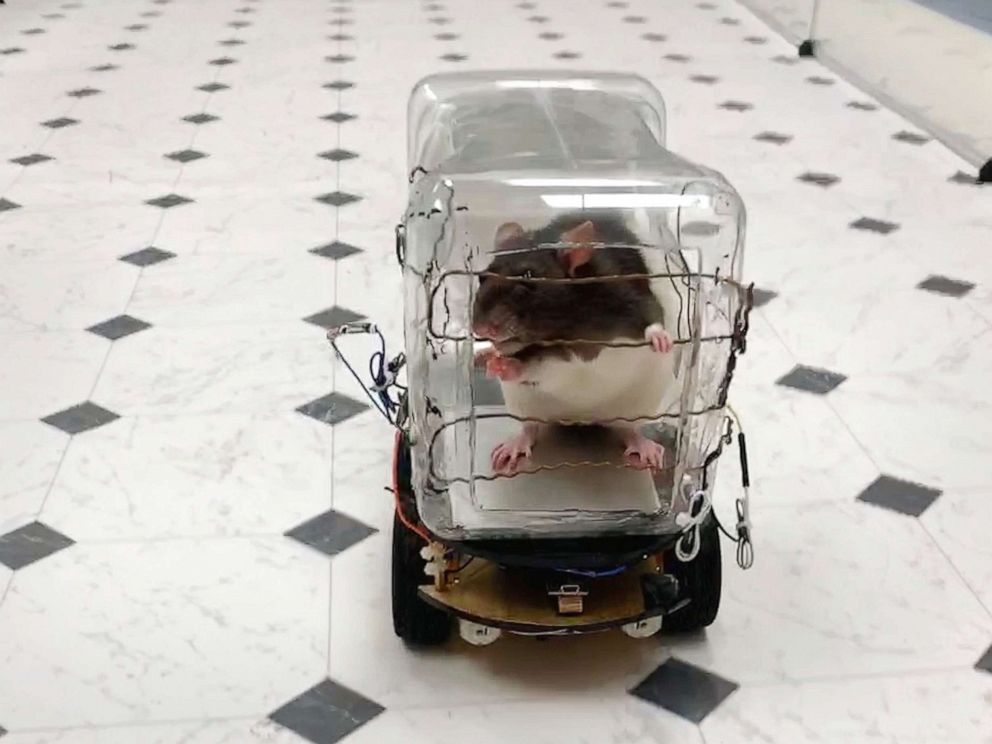
A lab rat drives the "RatCar," Oct. 1, 2019, in Richmond, Va. Scientists report successfully training the rodents to drive tiny cars in exchange for tasty bits of Froot Loops cereal, and found that learning the task lowered their stress levels.
University of Richmond via AFP/Getty Images

The ones that lived in an "enriched environment," as in they had objects to interact with, passed their driver's test and were given Fruit Loops as a reward. Video of one rodent shows it driving forward in a contained area and steering the "vehicle." At one point, the rat crashes into a wall, but manages to turn the "vehicle" and continue cruising.

Related Articles

(MORE: Scientists discover the 'most massive neutron star ever detected' )

The rats that were housed in a standard laboratory cage, however, had difficulties learning to drive and failed the test, the study authors noted.

Yet all of the rats, regardless of their living conditions, showed better mental health and a "more resilient stress hormone" just from the training itself. Researchers discovered this by looking at the rat's poop and determining the hormones associated with resilience were higher compared to their stress hormone.

A lab rat drives the "RatCar," Oct. 1, 2019, in Richmond, Va. Scientists report successfully training the rodents to drive tiny cars in exchange for tasty bits of Froot Loops cereal.
University of Richmond via AFP/Getty Images

The scientists involved in the experiment said rat brains serve as an appropriate model for the human brain because they share the same areas and neurochemicals. And while humans are more complex than rats, the four-legged critters can help scientists understand "universal truths about how brains interact with environments to maintain optimal mental health," according to Kelly Lambert, a professor of behavioral neuroscience at the University of Richmond and one of the researchers involved in the experiment.

Related Articles

(MORE: Meet the 29-year-old computer scientist behind the algorithm for the black hole photo)

"We're interested in how they can use a car as a tool to navigate the environment," Lambert said. "It's a good learning opportunity, and we're not sure where that's going to take us, what destination, but it's been fun."

Up Next in News—

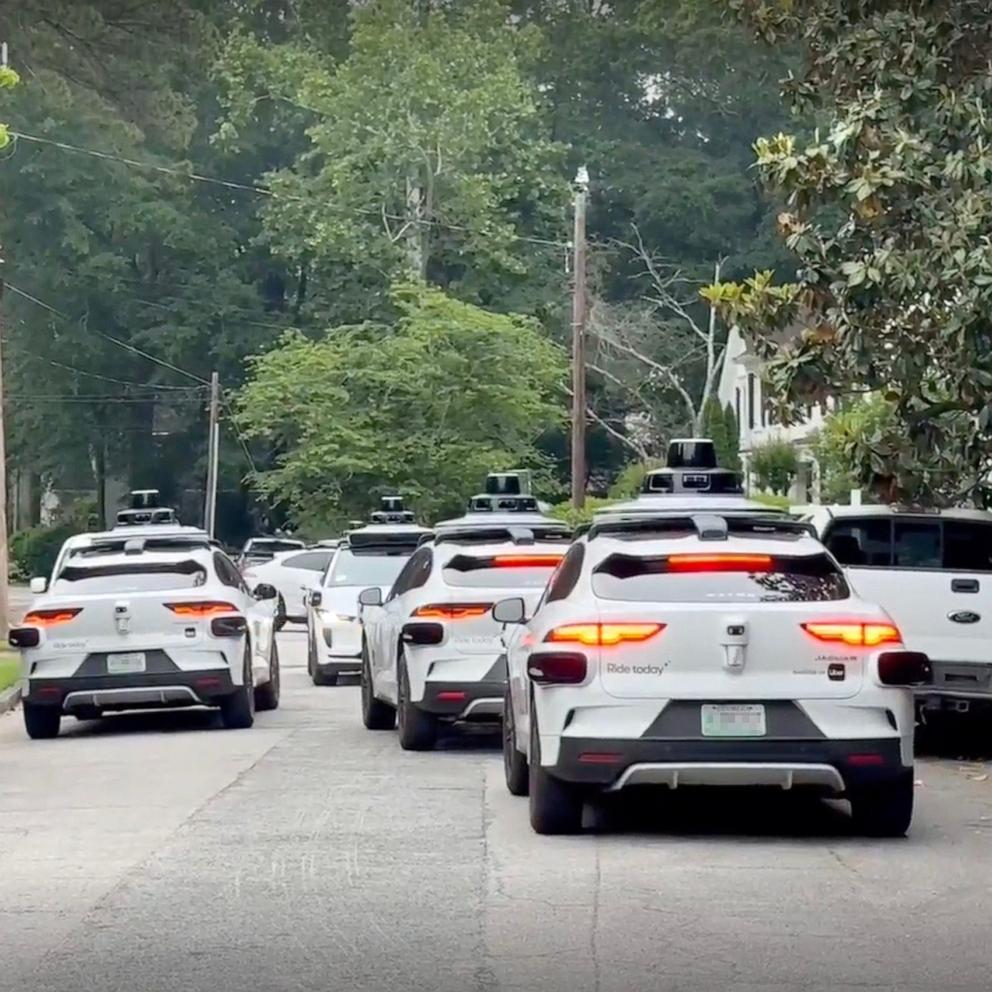
Empty Waymo vehicles swarm Atlanta cul-de-sac

May 15, 2026

Homeowner speaks out after plane crashes into house, causing fire

May 15, 2026

GM CEO Mary Barra talks economy, AI and more

May 15, 2026

Officer nearly shoots student playing with water gun in a senior game

May 15, 2026

Shop GMA Favorites

ABC will receive a commission for purchases made through these links.

Sponsored Content by Taboola

The latest lifestyle and entertainment news and inspiration for how to live your best life - all from Good Morning America.
  • Contests
  • Terms of Use
  • Privacy Policy
  • Do Not Sell My Info
  • Children’s Online Privacy Policy
  • Advertise with us
  • Your US State Privacy Rights
  • Interest-Based Ads
  • About Nielsen Measurement
  • Press
  • Feedback
  • Shop FAQs
  • ABC News
  • ABC
  • All Videos
  • All Topics
  • Sitemap

© 2026 ABC News
  • Privacy Policy— 
  • Your US State Privacy Rights— 
  • Children's Online Privacy Policy— 
  • Interest-Based Ads— 
  • Terms of Use— 
  • Do Not Sell My Info— 
  • Contact Us— 

© 2026 ABC News