One Reason Your Weather Forecast Might Get Much Worse
— -- Most Americans check the weather every day on TV, the Internet or through an app.
Though the daily forecast is close to accurate, it may get a lot worse if the satellites providing that information aren't replaced.
“The American public may not spend much time thinking about where their weather forecasts come from, but they will notice if those forecasts aren't reliable.” Rep. Suzanne Bonimici, D-Oregon, said during a House committee hearing today.
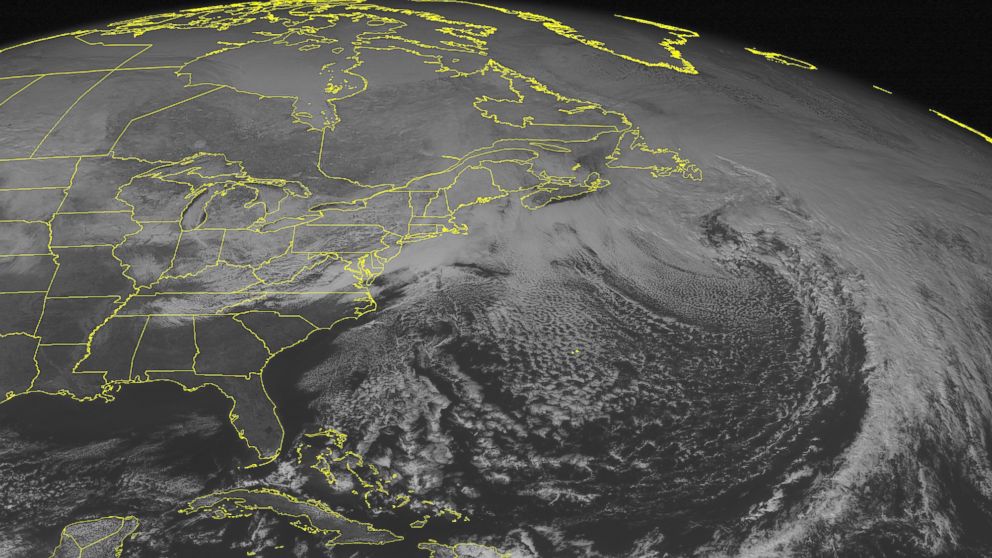
The National Oceanic and Atmospheric Administration (NOAA) operates a system of weather satellites and collects data from satellites operated by other countries. Among other things, these satellites provide the information needed to predict extreme weather and warn people when it’s coming their way.
Hurricane Sandy is an example of when these satellites helped provide accurate data early enough so people could move to safer areas.
“If you take the polar data out of that forecast it shows that storm dying 100 miles out at sea,” David Powner, a Government Accountability Office representative, testified at the Science, Space and Technology subcommittee on environment.
Aging satellites are wearing out and the agency is scheduled to launch replacements starting in 2016. But extra costs and delays have already pushed back the launch schedule.
As a result, there could be a period of time when NOAA and other agencies are unable to collect critical weather data, according to a GAO report.
The GAO put the weather satellite program on its high-risk list in 2013 and has challenged some of the numbers presented by NOAA.
NOAA predicts a potential three-month gap in information before new satellites are operational, but some government analysts have worried the lapse could last from one year to five years in a worst-case scenario.
NOAA Assistant Administrator Steven Volz, who also testified today, said the agency expects existing satellites, some of which are expected to reach the end of their useful life this year, could operate for several more years.
"The point of the scenarios is not that we think it will happen but to prepare if it happens,” Volz said during the hearing.
In addition to an inability to track potentially dangerous weather, the lack of atmospheric data could have economic consequences. Weather forecasts are a $31 billion industry and the information is used in industries such as construction and aviation.