The apocalyptic atmosphere in Cape Town as residents struggle to survive: Reporter's notebook
CAPE TOWN, SOUTH AFRICA— -- You wouldn’t immediately realize there was a water crisis in Cape Town, South Africa. It’s still a busy, international place, full of tourists and locals enjoying all the wonderful things it has to offer.
But slowly, driving through the city, small things start to look strange.
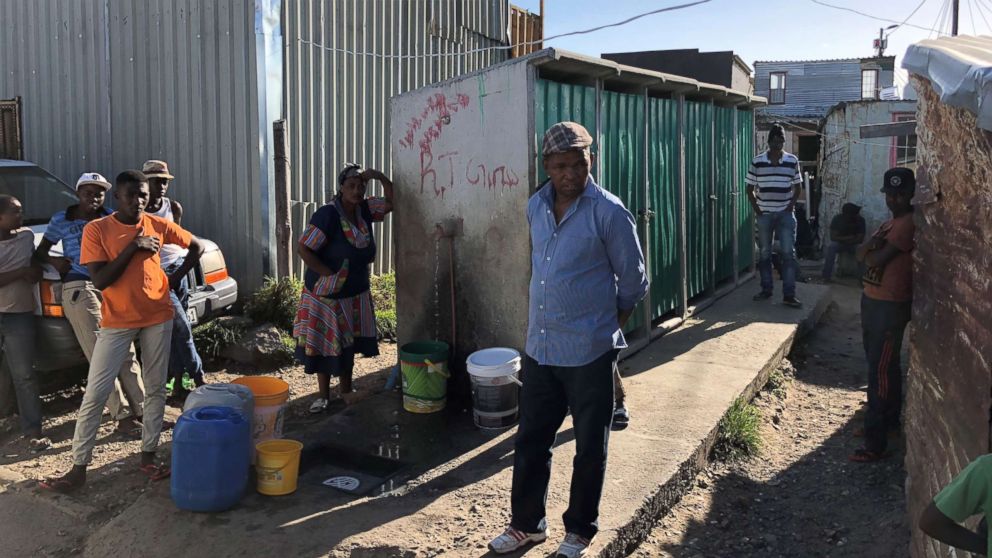
Groups of people on the side of the road, huddled over taps. Signs outside shops advertising recent water deliveries. Long lines of people holding empty plastic containers that you normally see on water coolers. At one restaurant, a sign on the table says to bring your own bottle, and the handles have been taken off the faucets in the bathroom.
Soon, everywhere you look you can see posters in shop windows, on car bumpers and billboards: "SEVERE DROUGHT: SAVE WATER."
This story is part of an upcoming “Nightline” report. “Nightline” airs at 12:35 a.m. ET weekdays on ABC.
The city is the first of its size to face something like this. "Day Zero" is currently scheduled for July 9. The water that is used to flush sewage away will stop, and around a million households will no longer have immediate access to water. Emergency services and hospitals will still be supplied, but pretty much everyone else will have to rely on natural springs to drink, wash and clean.So how did this happen? Officials blame three years of drought. The seven dams that supply the city with water are almost dry, and increasing temperatures mean the little rain that has come has evaporated more quickly.
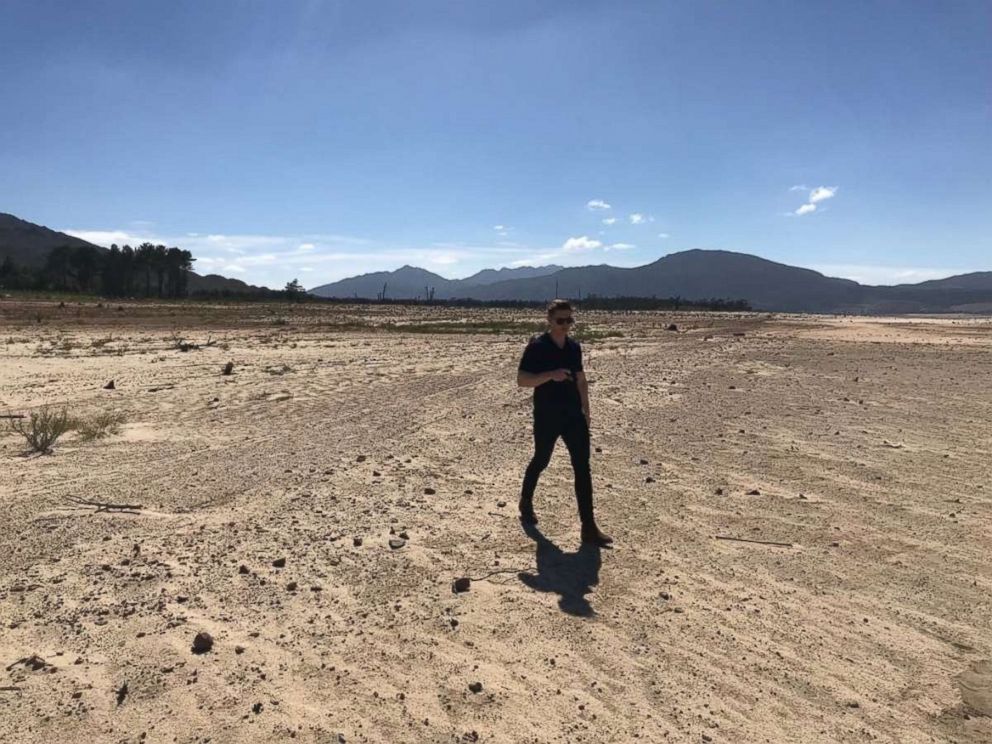
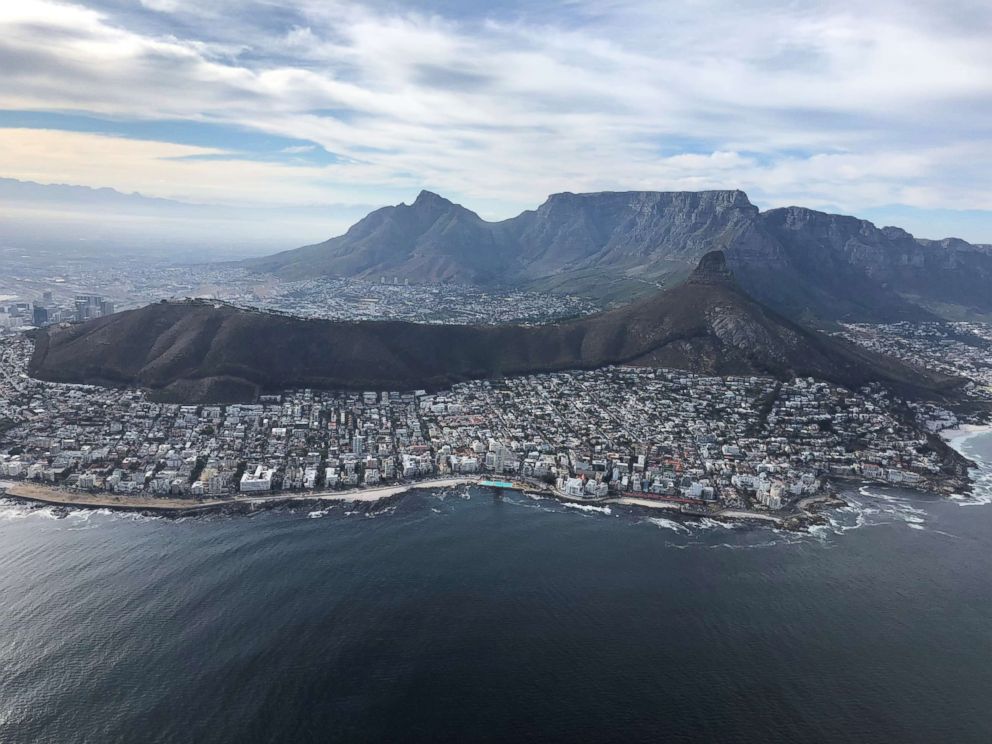
But many blame the politicians. The Western Cape is the only province in the country not controlled by the central government’s party. Residents have seen their local representatives and national leaders unable to agree on a budget to diversify the city’s water system. Desalination plants, water recycling facilities and getting the natural springs onto the national supply are all part of that plan. But unfortunately, very little has been done.The great irony is that Cape Town sits on a huge natural water reserve. There are about 70 springs around the city. “Look at that mountain,” one local says, pointing to the famous Table Mountain which rises up out of the city like a volcano. “It’s green – it’s full of water. It’s a crime that we haven’t been tapping into our great natural resource,” he tells me.
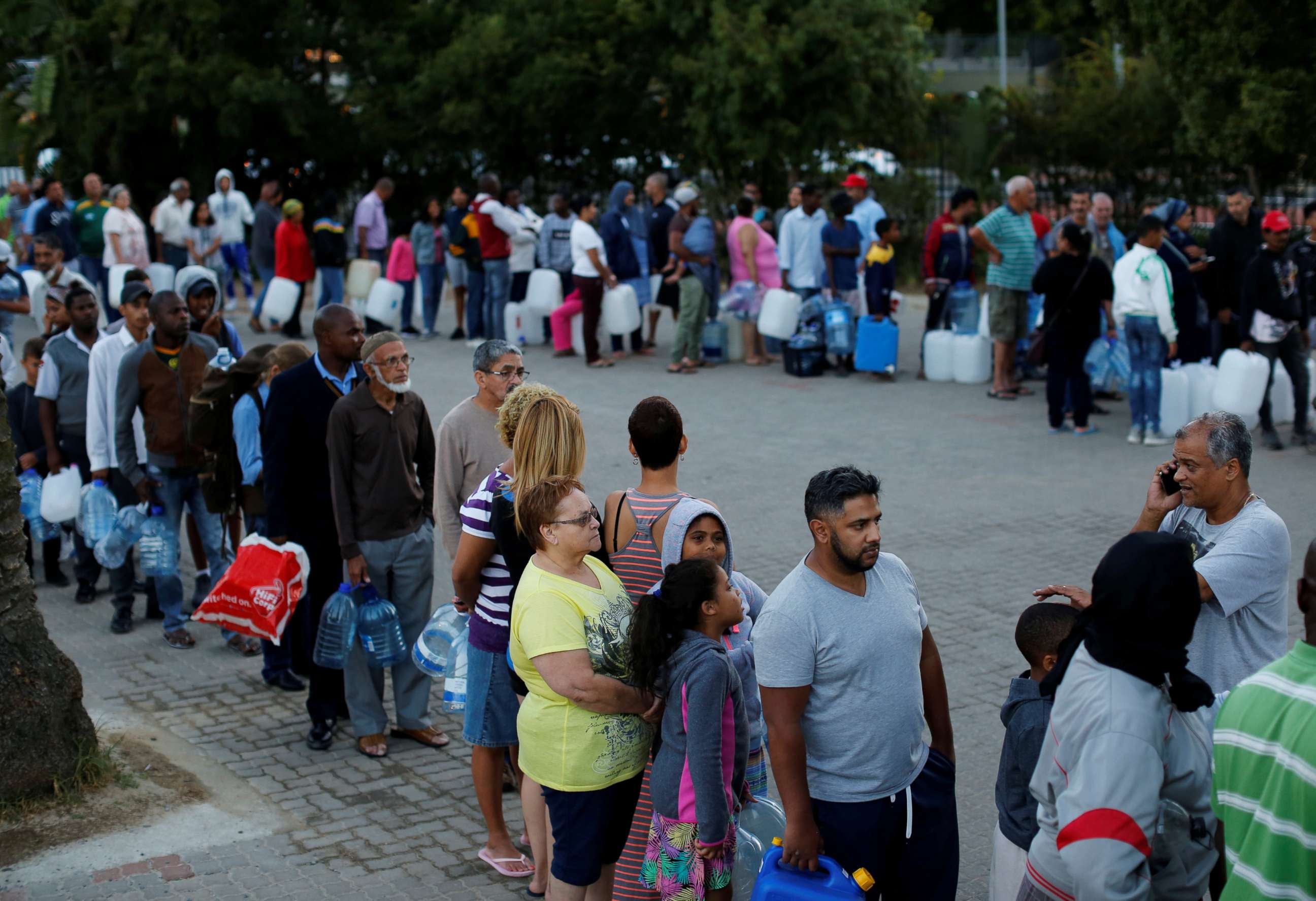
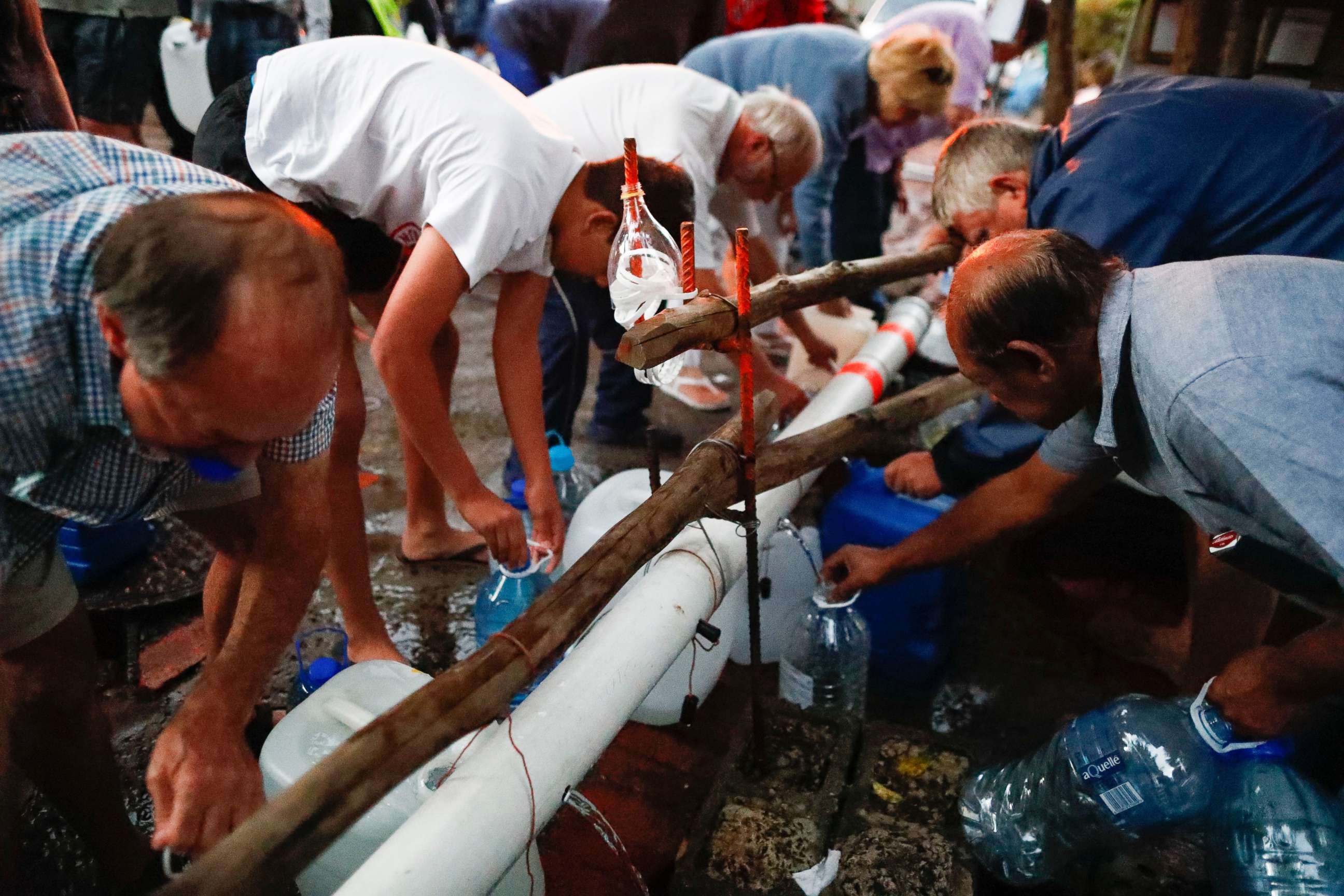
Long lines of people wait every day in the hot sun to get their fill from the natural springs. Capetonians have been limited to 50 liters (13.2 gallons) per person per day from their home supply, so they come down to these springs to top up. But even here there are limits. You can only fill what you can carry, and each person is only allowed a maximum of 25 liters (6.6 gallons) on one visit, to make sure everyone gets a turn. Tempers can flare, and there have been reports of gangs coming late at night and spending hours filling up, threatening anyone else who comes near. Police are now stationed at many of them.
It’s an almost apocalyptic atmosphere that hangs over the place. Some are convinced that "Day Zero" is just a ploy by the government to get people to be serious about conserving water. Others are more concerned and are stockpiling. But everyone knows how vital water is. If the day arrives, 200 water collection points will be set up. But you can’t help but wonder – what will happen to the sick? To the elderly or disabled? It could truly be survival of the fittest.
Not least because South Africa is one of the most unequal societies in the world. There is huge wealth in Cape Town, and many of the most affluent suburbs have their own wells and springs. But millions live in townships – effectively slums without regular access to water or electricity. People living there have never had personal water supplies. If their communal taps run dry, what then? The potential for conflict seems obvious.
Meanwhile, police are trying to enforce water restrictions, but it’s the poorest who suffer most. Car washes are one of the few ways those in the townships can earn money – but they are now illegal, and so the police spend their days breaking up these roadside arrangements. You can’t help but feel a little sorry for the men – young and old – who try to scramble back into their shacks, dragging big buckets of soapy water as the police convoy draws up. For many, this is their only livelihood.
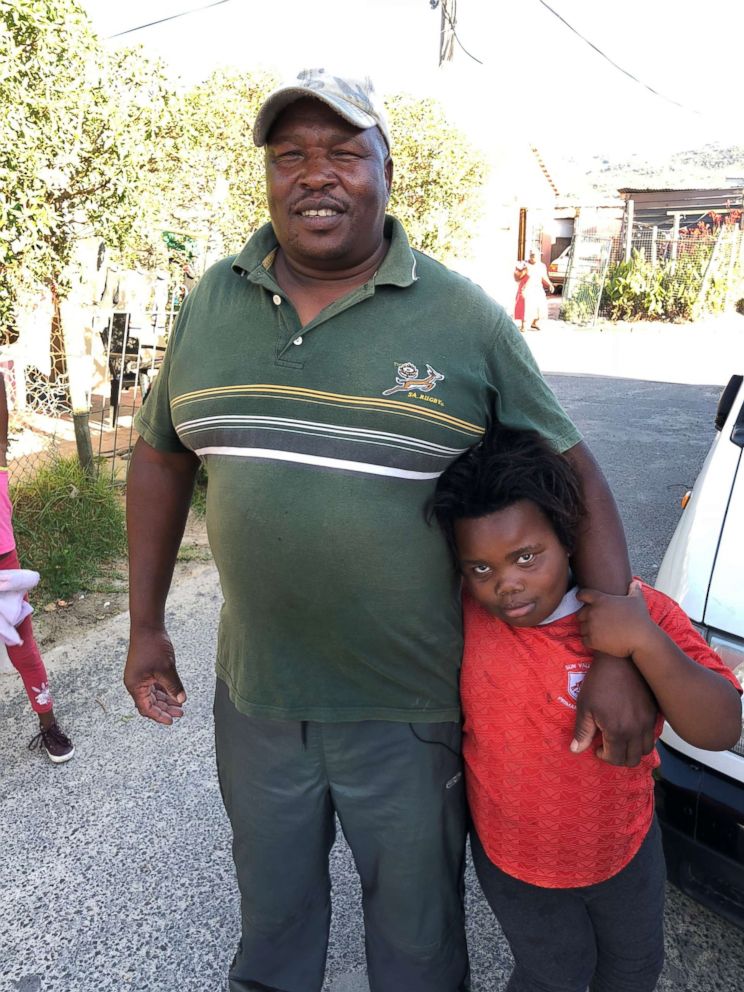
“If they gave us different water, we would use that,” says one older man in dirty plastic overalls, holding his now empty bucket. “But we don’t have a choice.”
He is fined 1000 Rand – about $80. That’s a lot when you have next to nothing.
“I feel bad for them,” says the police officer issuing the fine. “I’m sure there are rich people filling up their pools. But they live behind big walls.”
If ‘Day Zero’ is averted, it will primarily be because of massive cuts to water use made by many of the provinces’ farmers. They’ve been able to divert water to Cape Town. But this has resulted in large numbers of job losses for farm laborers and is not a sustainable solution.
Seeing all this unfold felt somehow like the beginning of a 1990s disaster movie - the early warning signs of something far more serious that the politicians didn’t take seriously enough. In my movie, I can see a disheveled scientist, running after a senior White House official, pleading. “You have no idea what’s coming!” he shouts, dropping all his papers on the floor. But no one takes any notice.
As the climate warms, more cities have faced similar water issues – although none as serious as Cape Town. It’s not as dramatic as an earth-destroying-meteor from space, or aliens coming to kill us. My movie wouldn’t be that exciting. But the competition for dwindling water supplies could come to define new crises on our planet. Cape Town feels like just the beginning.