Why did Republican state Senators in Indiana buck redistricting pressure from Trump, GOP? And what could come next?
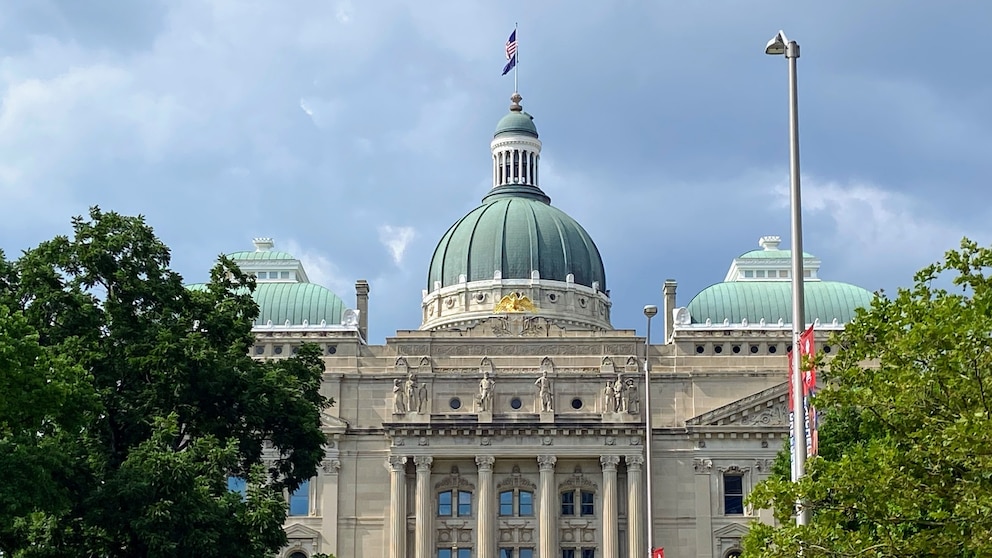
Some Republican state Senators in Indiana who defied pressure from the right and blocked a proposed new congressional map on Thursday said they were listening to their constituents.
They faced pressure that came in part from the White House, which hosted Indiana state legislators in August, and Vice President JD Vance, who visited Indiana twice to talk to legislators about redistricting. Separately, outside groups also spent heavily on ads and phone campaigns to encourage lawmakers in the state to support the map.
Republican state Sen. Jean Leising, who had previously said she was opposed to mid-decade redistricting and voted against the map on Thursday, told ABC News in an interview on Friday that she voted three times for President Donald Trump.
But she voted against the president's position Thursday largely because the vast majority of the constituents she heard from on redistricting were opposed to it.
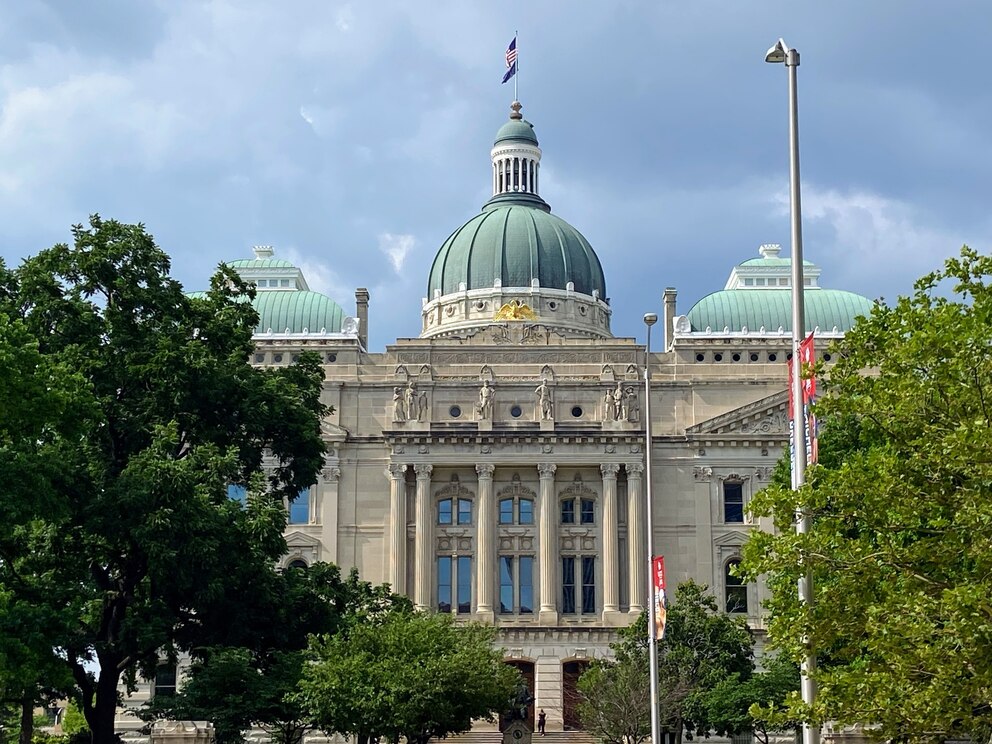
"I had my legislative assistant keep a count every day of how many calls and emails came in ... only about 8% supported redistricting in my district, so it was an easy decision for me to be a no on this bill," she said.
Another Republican state senator, Blake Doriot, wrote in a statement Friday that his vote "was the hardest choice I have had to make during my time at the Senate."
But constituents "overwhelmingly stated they were not in support of this and were concerned that the proposed changes would only hurt our community."
The pressure campaigns from outside groups, which included text and phone campaigns as well as ads in the district, struck close to home as well for Leising.
She told ABC News that after giving remarks at her grandson's school on Veterans Day, she gave him a ride home after his basketball practice that day and asked him about the rest of the day.
"He said, all my friends and I got negative texts about you."
And that was just the beginning, she said, of a flood of negative texts and calls about her to constituents, as well as a bomb threat to her home -- making her among at least 12 politicians in Indiana, including Gov. Mike Braun, who have said they have been targeted by bomb or attempted swatting threats in recent months. Law enforcement has not shared motives for the threats.
She wasn't intimidated by the bomb threat, which she called "the icing on the cake," but slammed the pressure.
"I don't know why, if the proponents wanted this bill to pass, why they didn't use some kindness, why they didn't use some explanation as to why it should pass," she said.
One state senator has borne the brunt of pressure and scorn from Trump and Braun: Rodric Bray, the Senate President Pro Tem.
Bray said in November that the state Senate did not have enough votes lined up to support mid-decade redistricting. Bray spoke with Trump directly on at least one call and separately met with him at the White House in August.
In a statement on Thursday after he voted against the map, Bray said Indiana Senate Republicans support Trump and agree with the president on issues such as immigration enforcement and public safety -- and also want Republicans to have a majority in Congress after the midterms.
"The issue before us today [Thursday] was how to get there, and many of my caucus members don't think redrawing our Congressional map mid-cycle is a guaranteed way for Indiana -- or our country -- to achieve that outcome," Bray wrote.
Leising told ABC News that she felt the pressure on Bray was uncalled for, praising his leadership and how he allowed state senators to make their own decisions.
There could be more political repercussions to come from Thursday's vote.
Some conservatives are saying they may support primary challenges to state senators who voted against the map. David McIntosh, the president of conservative group Club for Growth PAC and a former U.S. Representative from Indiana, told ABC News in a statement Friday, "Club for Growth PAC is looking into the races and who we can beat."
At least one conservative group, Heritage Action, also alleged ahead of the vote that the White House could retaliate against the senate's vote by withholding federal funding to Indiana.
Trump and the White House have not confirmed this. ABC News has reached out to the White House about the claims it could withhold federal funding.