‘Remarkably complete’ 3.8-million-year-old cranium of human ancestor discovered in Ethiopia

Researchers have discovered a "remarkably complete" cranium of a human ancestor dating back 3.8 million years.
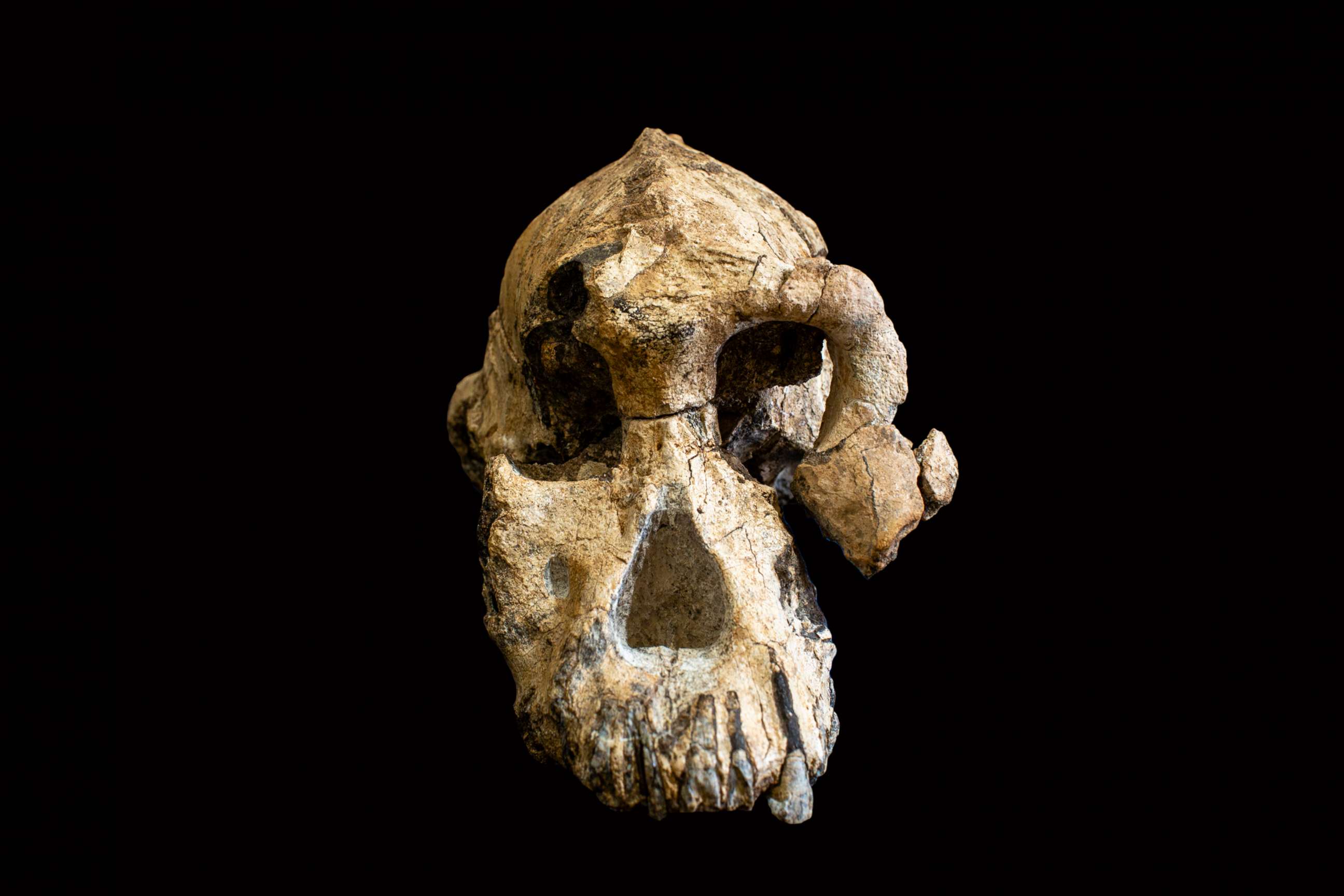
The fossil, known as MRD-VP-1/1, was found in Feburary 2016 at the Woranso-Mille paleontological site in the Afar region in northern Ethiopia, and paleoanthropologists and geologists have been conducting an extensive analysis on it ever since, according to a news release from the Cleveland Museum of Natural History.
The skull, belonging to the species Australopithecus anamensis, was found in the sandy deposits of a delta where a river entered a lake, according to the release.
The first piece of the skull found was the upper jaw, which was exposed on the surface. Scientists found the rest of the cranium after further examining the area.
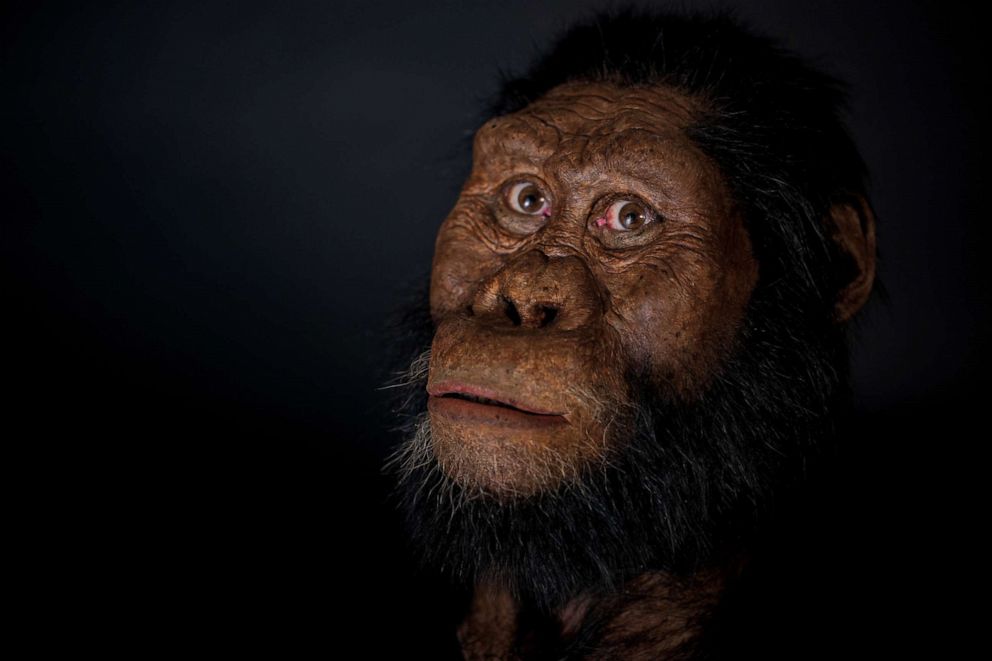
Cleveland Museum of Natural History Curator and Case Western Reserve University Adjunct Professor Dr. Yohannes Haile-Selassie, who led the team of researchers, described the finding as "a eureka moment come true."
"I couldn’t believe my eyes when I spotted the rest of the cranium," he said in a statement.
The most important conclusion scientists have made is that Australopithecus anamensis coexisted for at least 100,000 years with its descendant species, Australopithecus afarensis, debunking the previous theory that evolution was simply linear over time.
Lucy, one of the oldest and most complete skeletons of a erect-walking hominin, belonged to the species Australopithecus afarensis
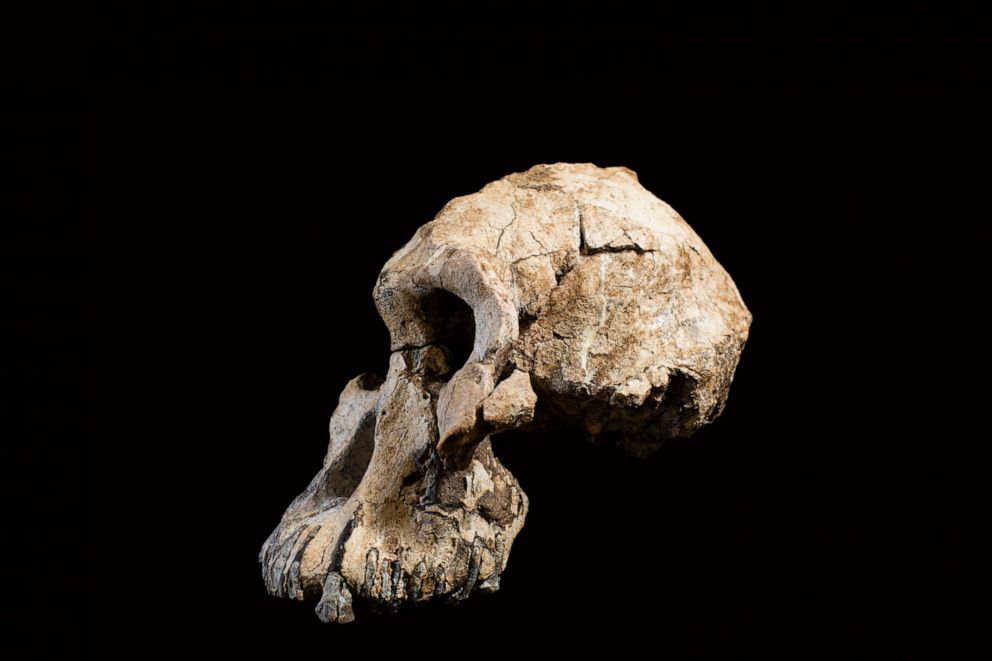
Previously, glimpses of Australopithecus anamensis were only seen through fragments of teeth and jaw.
The finding of the skull has allowed scientists to study the morphology of Australopithecus anamensis for the first time. The hominin has a "mix of primitive and derived facial and cranial" or "ape-like" features, Haile-Selassie said.
The cranium shared some features with its descendant species as well as with species that are older and and more primitive, such as Ardipithecus and Sahelanthropus, according to the release.
Early human fossils from between 4.1 million and 3.6 million years ago are "extremely rare," according to the release.
Researchers dated minerals in the layers of volcanic rocks nearby to determine the age of the fossil, combining field observations with analysis of microscopic biological remains to reconstruct the landscape, vegetation and hydrology where the human ancestor died, according to the release.
Volcanic layers that blanketed the land surface and lake floor allowed the researchers to map out the landscape and how it changed over time, said Beverly Saylor, professor of stratigraphy and sedimentology at Case Western Reserve University, in a statement. The large lake region where the specimen lived was likely dry.
Since beginning their field research at the Woranso-Mille site in 2004, researchers have collected more than 12,600 fossil specimens representing about 85 species of mammals, according to the release.
The researchers published their findings this week in two papers in the scientific journal Nature.