Researchers propose solutions to stop Venice from sinking
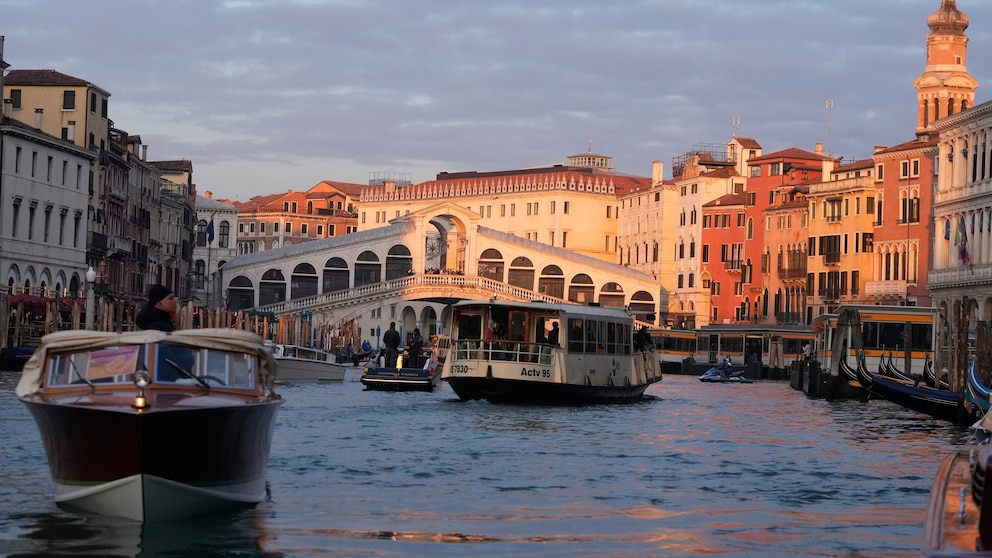
One of the world's most iconic cities could be heavily impacted by climate change and sea level rise in the coming years, leading researchers to search for solutions on how to protect it.
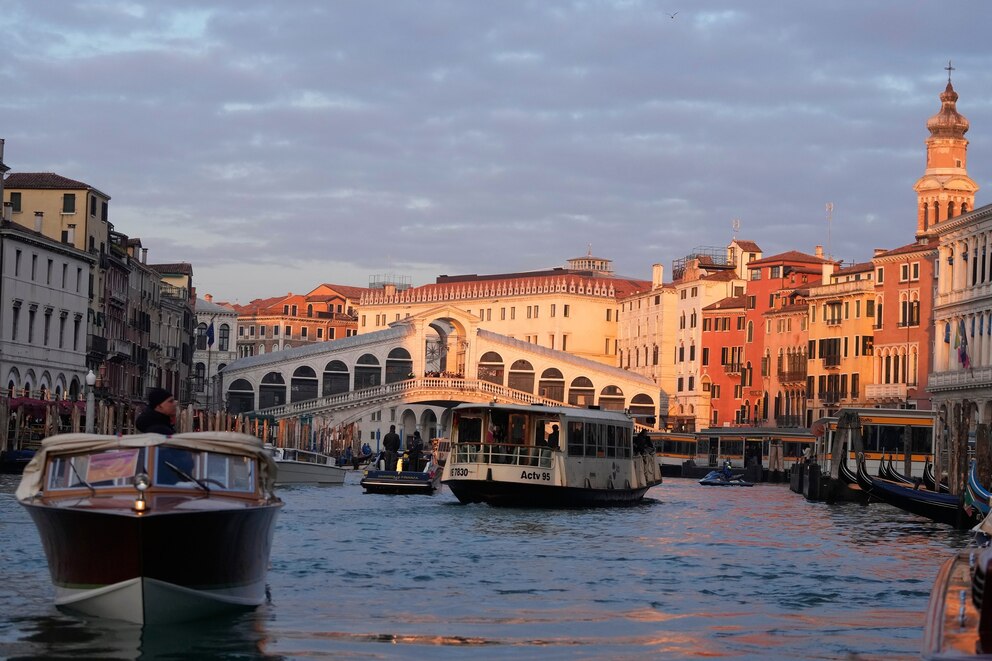
Venice, the historic Italian city known for its canals that serve as water traffic corridors, has been said to be sinking for nearly a century. The site within the vicinity of the Venetian Lagoon has flooded increasingly over the past 150 years, according to a paper published in Scientific Reports on Thursday.
Historically, there have been 28 events in which seawater flooding impacted at least 60% of the city, according to the paper. Eighteen of those events have taken place in the last century.
Piero Lionello, a professor of atmospheric physics and oceanography at the University of Salento in Italy and native Venetian, has noticed an uptick in flooding events throughout his lifetime, he told ABC News.
"The rate has been quite impressive the last three decades," he said.
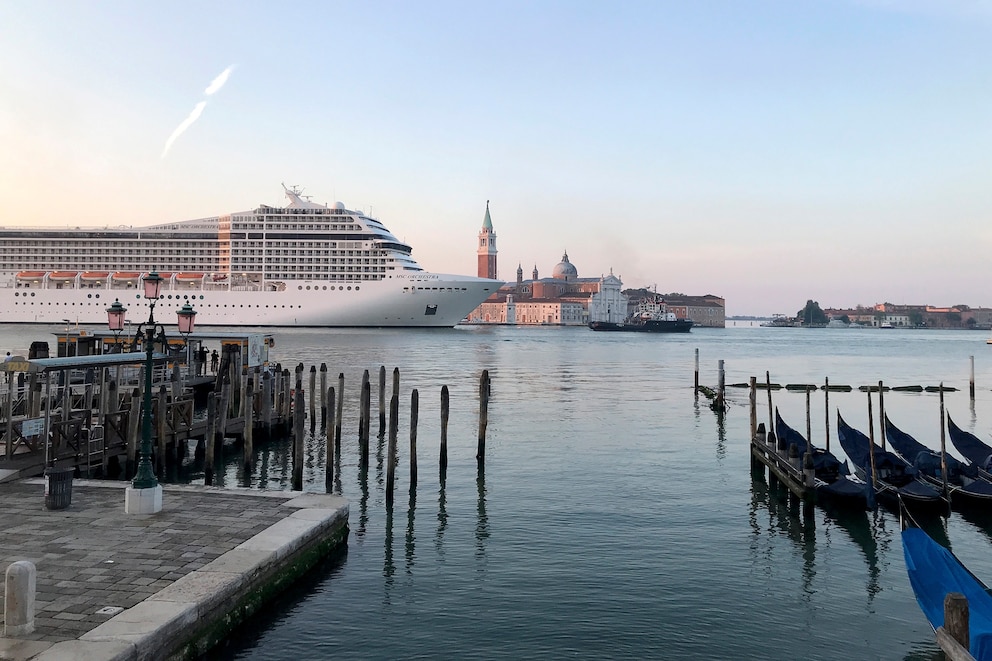
Climate experts are now calling for long-term planning to protect the city from rising sea levels over the next several centuries.
The Venetian Lagoon is a "special system" because it is so connected to the Adriatic Sea, said Lionello, the lead author of the paper.
Proposed strategies to prevent flooding as sea levels rise include movable barriers, ring dikes -- which are circular or oval-shaped embankments designed to protect localized areas from floodwaters -- or even closing the Venetian Lagoon and relocating the city, according to the paper.
Currently, the city is defended by a trio of movable barriers at the edge of the Venetian Lagoon. The MOSE project, installed in the 1990s, is a system of mobile flood barrier shields as tall as a five-story building that can be raised to separate the lagoon from the Adriatic Sea during high tides.
The system allows the waterways of Venice to function normally during high tide and has prevented flood disasters from storm surge. But it won't be sufficient in the future, Lionello said.
"The present system, it will certainly be become inadequate," he said.
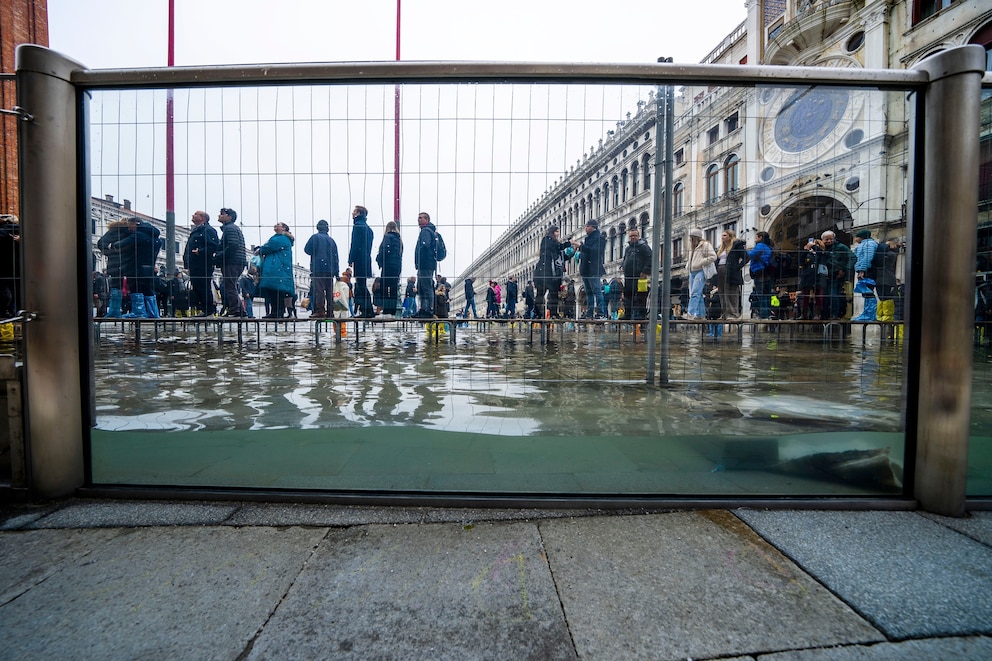
The existing movable barriers may be effective against sea level rise up to 1.25 meters, or about 4.1 feet, according to the paper. But this benchmark is likely to be exceeded by the year 2300 under a low-emissions scenario due to rising global temperatures and ground subsidence -- the gradual sinking of the ground -- the researchers said.
Dikes may be necessary to protect Venice's city center from the rest of the lagoon, according to the paper. The dikes would consist of walls surrounding the city, separating it from the lagoon, Lionello said.
Construction of dikes could cost between $600 million and $5.3 billion, according to the paper.
A "super levee" that could cost more than $35 billion to construct may be needed to close the lagoon and protect the land that is already below sea level.
If sea levels rise enough, it may be necessary for the city's residents and historic landmarks to be moved inland, the researchers said. Relocating the city could be necessary beyond a 4.5-meter, or nearly 15-foot, sea level rise, which is projected to occur after 2300 under a high emissions scenario, according to the paper. Relocating the city could cost up to $118 billion, according to the researchers.
This solution is the most "provocative" and would involve moving individual buildings and monuments inland, Lionello said.
"You can preserve a building. You can have different solution to keep people living there, but it will be a completely different Venice from the Venice that we have now," Lionello said.
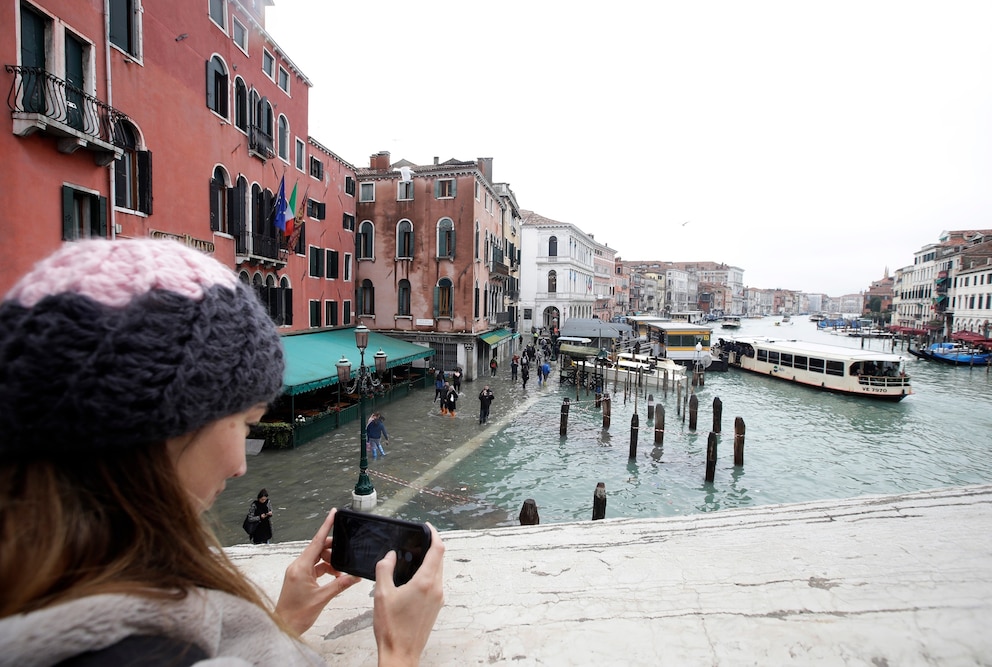
The system of mobile barriers has been working overtime, according to officials. The MOSE barriers were lifted from the seabed to stop water from the Adriatic Sea from entering the lagoon 31 times during a six-month period between October 2023 and April 2024.
Climate scientists have predicted a steady rise in sea levels in the Adriatic Sea -- with the lagoonal ecosystem in Venice experiencing relative sea level rise of about 2.5 millimeters per year, a 2021 study found.
Over the past 60 years, high tides in the Venetian Lagoon have become more frequent.
Between 1870 and 1949, 30 high tides exceeded 1.1 meters -- or 3.6 feet -- the level above which the MOSE barrier system is activated, according to the Venice Tide Study Center. There were 76 such high tides between 2015 and 2024 alone.
Rapid action to protect the city of Venice from climate change is “essential,” especially since the construction of large-scale interventions could take decades, the researchers said.