Russia launches more than 440 drones, missiles at Ukraine overnight, Zelenskyy says
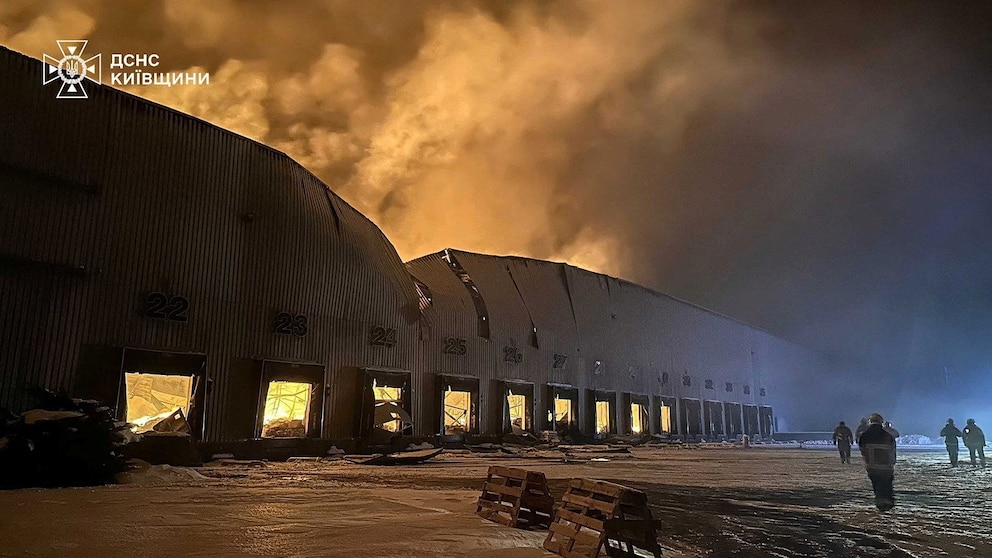
LONDON -- Russia launched more than 440 drones and missiles into the country overnight, officials in Kyiv said on Saturday, in Moscow's latest major long-range attack on Ukrainian cities and critical infrastructure.
Ukraine's air force reported 408 drones and 39 missiles launched into the country by Russia overnight into Saturday morning, of which 382 drones and 24 missiles were shot down or suppressed.
Twenty-one drones and 13 missiles impacted across 19 locations, the air force said in a post to Telegram.
Oleksandr Koval, the head of the Rivne regional military administration in western Ukraine, said at least one person was killed and two others injured in overnight Russian strikes on the region.
Ukrainian President Volodymyr Zelenskyy said in a post on social media that the attacks again targeted the country's energy sector amid a brutally cold winter.
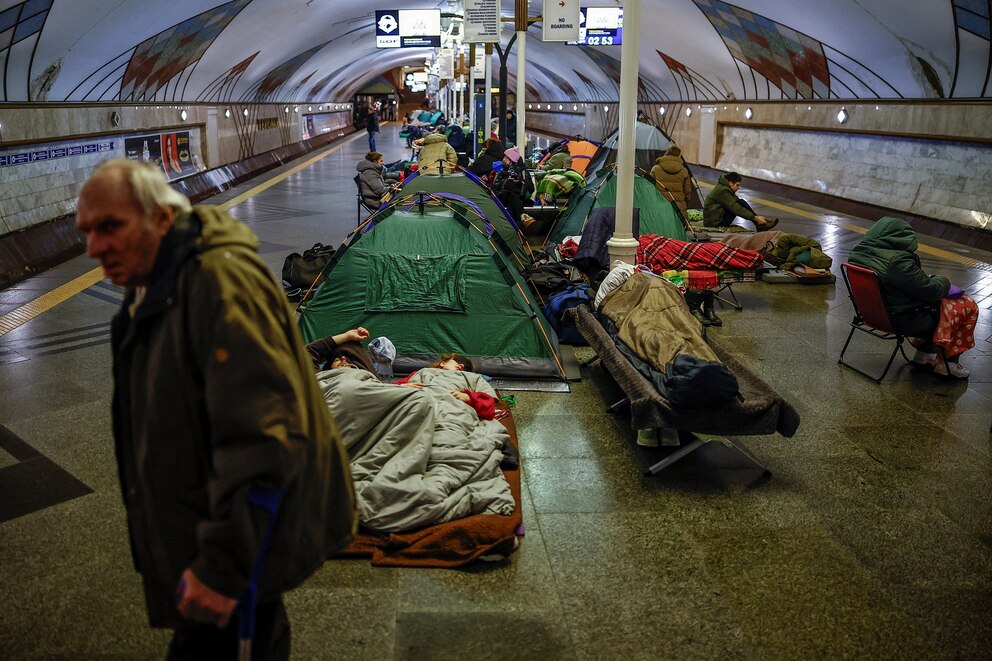
"Every day, Russia could choose real diplomacy, but it chooses new strikes," Zelenskyy wrote. "It is crucial that everyone who supports the trilateral negotiations respond to this. Moscow must be deprived of the ability to use the cold as leverage against Ukraine."
Damage was reported in the Volyn, Ivano-Frankivsk, Lviv and Rivne regions of Ukraine, Zelenskyy said. The strikes damaged an apartment building in Rivne and an agricultural college in Ladyzhyn. There were also strikes in the Kyiv and Kharkiv regions, Zelenskyy said.
Ukraine's state-owned electricity transmission system operator, Ukrenergo, said the overnight attack was the second mass strike on energy infrastructure since the start of the year.
The strikes hit energy facilities in eight regions of Ukraine, Ukrenergo said in a post to social media, forcing all Ukrainian-controlled nuclear power plants in the affected areas to reduce output.
The United Nations' nuclear watchdog, International Atomic Energy Agency, confirmed that Ukraine's nuclear power plants had reduced output again Saturday morning "after renewed military activity affected electrical substations and disconnected some power lines."
In western Ukraine's Lviv region, more than 600,000 subscribers were without power on Saturday morning, according to Maksym Kozytskyi, head of the Lviv regional military administration.
Poland's Armed Forces Operational Command in Warsaw said in posts to social media that NATO warplanes were scrambled while air defense systems and radar reconnaissance were ordered to the highest level of readiness amid Russia's Friday night strikes.
The response lasted for around three hours, the command said later. German fighter jets and Dutch air defenses were involved in the alert, the command said, adding that there were no recorded violations of Polish airspace.
The Polish Air Navigation Services Agency, meanwhile, announced on social media that two airports in Rzeszow and Lublin in the southeast of the country "temporarily suspended flight operations" to facilitate "the free operation of military aviation."
Kyiv and Moscow have continued exchanging long-range strikes despite this week's trilateral talks with the U.S. in the United Arab Emirates.
Russia's Defense Ministry said its forces shot down at least 82 Ukrainian drones overnight into Saturday morning.
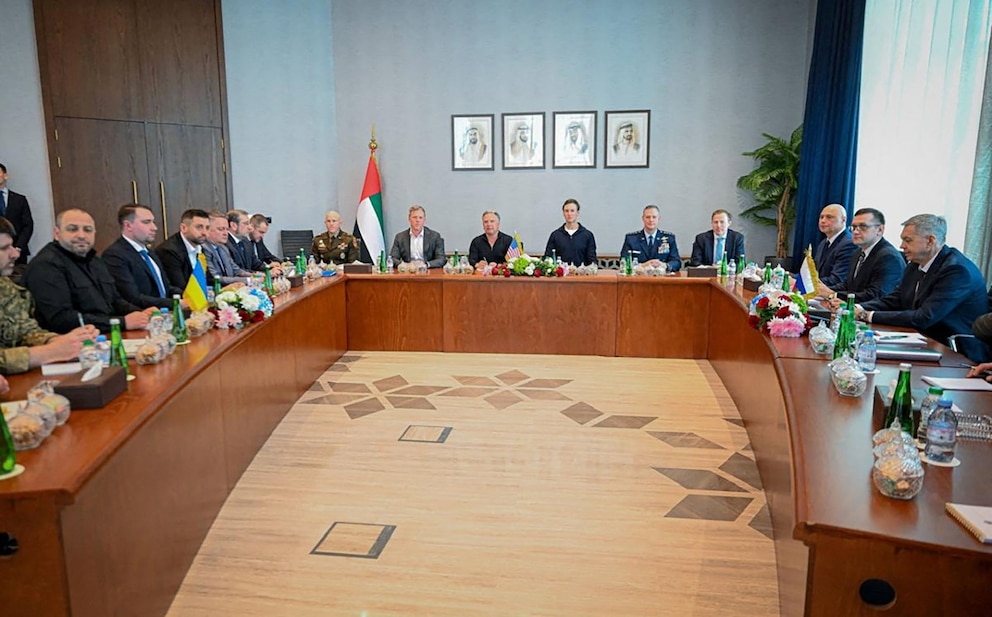
All participants described the talks in Abu Dhabi talks as constructive, but the negotiations did not appear to achieve a breakthrough on contentious points.
Among the most difficult points are the fate of Ukraine's partially-occupied eastern Donbas region, the nature of post-war Western security guarantees for Ukraine and control of the Russian-occupied Zaporizhzhia nuclear power plant in the south of the country.
On Friday, Zelenskyy told journalists that the U.S. proposed hosting the next round of trilateral talks, "likely in Miami, in a week."
"We have confirmed our participation," Zelenskyy said.
The U.S. side also proposed further "de-escalation in the energy sector," Zelenskyy said, to which he said Kyiv agreed but Moscow is yet to respond. Last month saw a brief pause in strikes on energy targets by both sides, agreed at U.S. President Donald Trump's request.
"The Americans are proposing that the war be brought to an end by the beginning of this summer, and they will probably pressure the parties according to this timeline," Zelenskyy said on Friday.
ABC News' Yulia Drozd contributed to this report.