Russia says it doesn't have to share data on nuclear blast, alarming observers
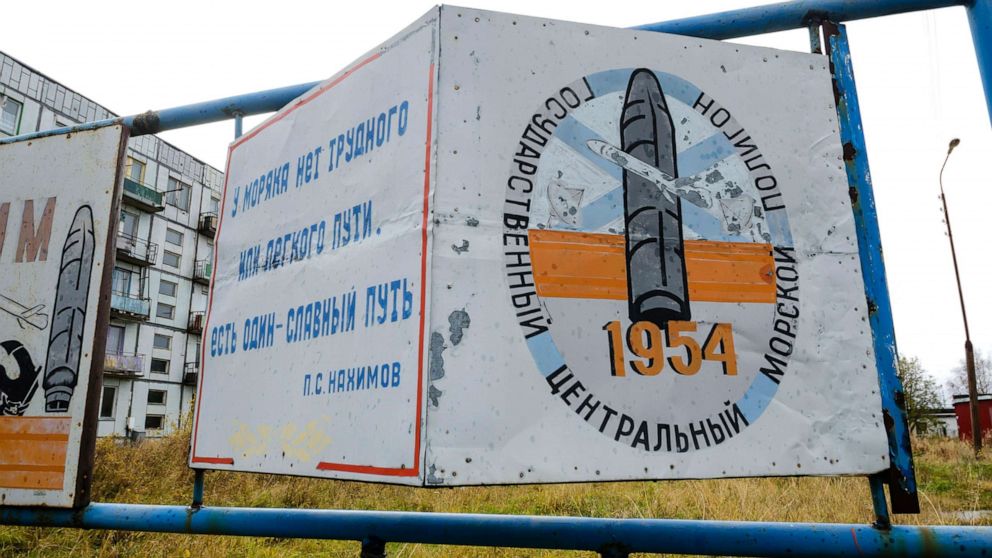
A senior Russian official said the country did not have to share with international monitors any data about a recent nuclear blast that spiked radiation levels in a northern region of the country.
The international monitor at the Comprehensive Nuclear-Test-Ban Treaty Organization reported Monday that several radiation detection sites in Russia went silent after the accident at a military test facility on Aug. 8. The CTBTO monitors radiation around the world to ensure compliance with the treaty.
Four stations went down in the days after the explosion of a suspected nuclear-powered cruise missile. Two sites went dark on Aug. 10, with two more stopping transmission of data on Aug. 13.
"They have reported communication and network issues, and we're awaiting further reports on when the stations and/or the communication system will be restored to full functionality," a CTBTO spokesperson told ABC News on Monday. "We continue to be in touch with our collaborators in Russia to resume operations as soon as possible."
The organization's executive director Lassina Zerbo, a scientist from Burkina Faso, tweeted on Tuesday that two of the stations have resumed data-sharing and back-filling some information.
"Excellent cooperation & support from our Russian station operators," he added.
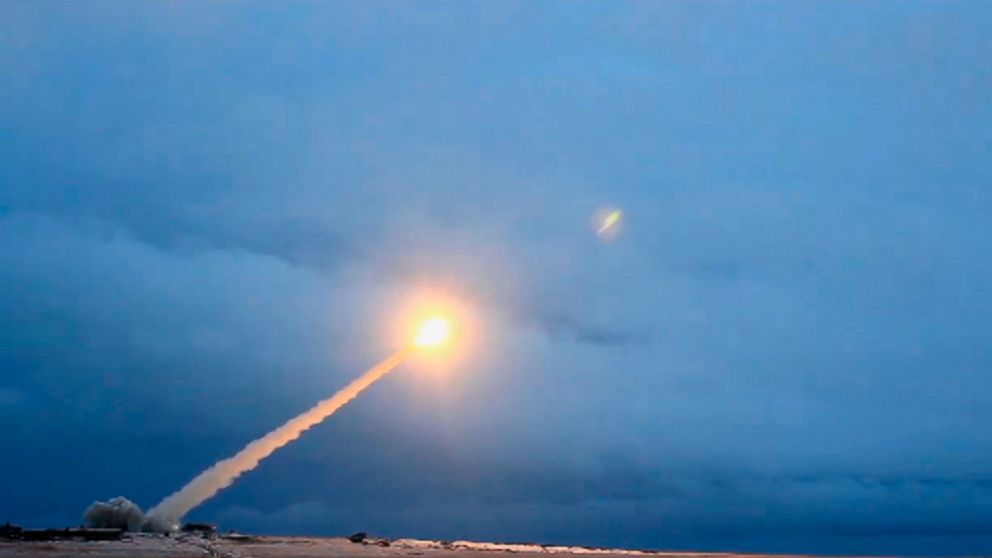
Russia has provided few details about the blast, beyond confirming that five employees were killed. A U.S. official told ABC News that it "likely" took place during a test on the new nuclear-powered missile, known by the names the SSX-C-9 "Skyfall" by NATO and the 9M370 Burevestnik, or "Storm Petrel," by Russia.
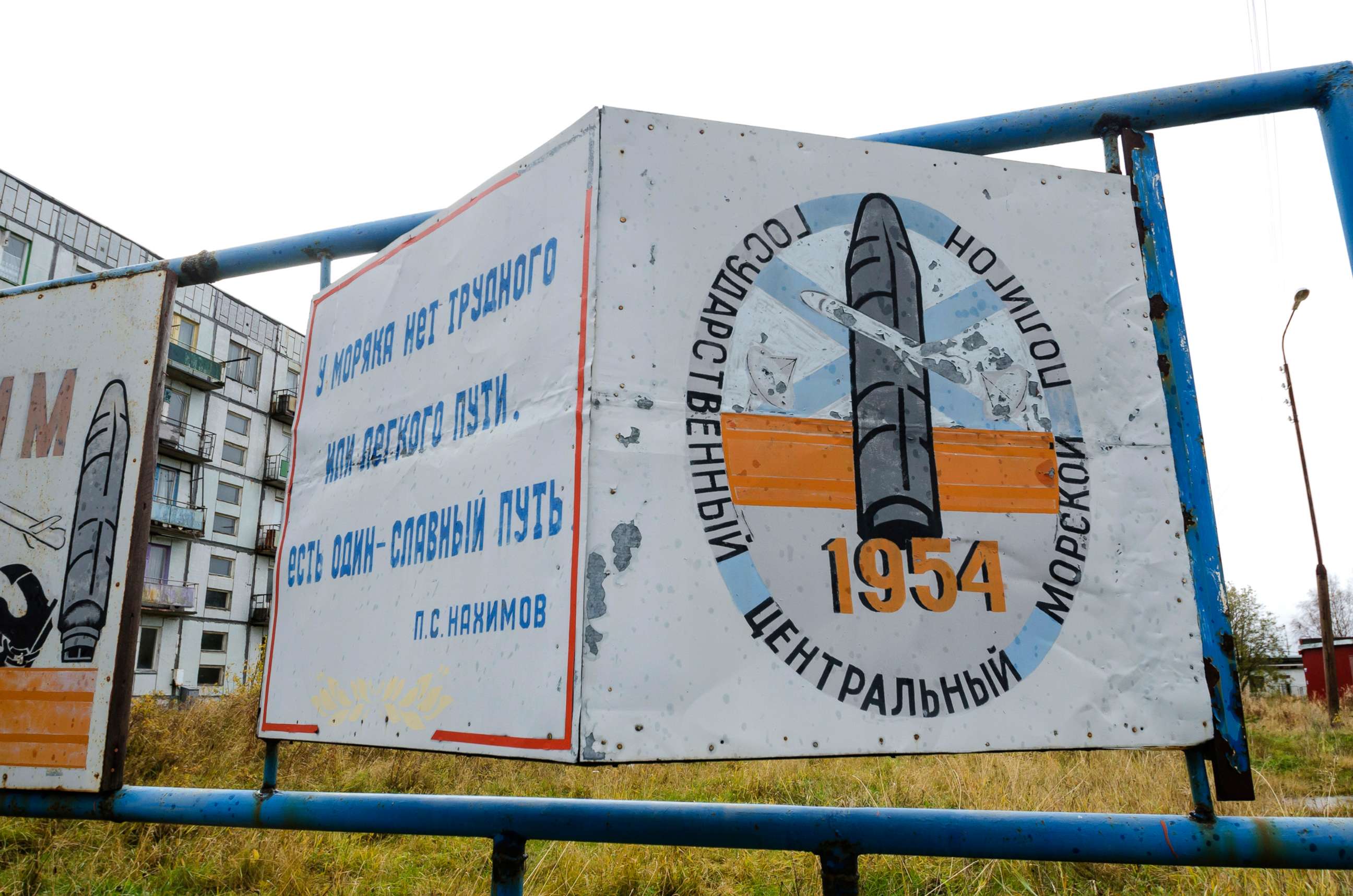
Immediately after the explosion, there was a spike in radiation in cities near Nenoksa missile test site on Russia's northern Arctic coast. Russian authorities initially denied any spike, until three days later the state weather service Roshydromet acknowledged radiation levels jumped up to 16 times above the norm. The environmental group Greenpeace had its own readings that showed a similar increase, but said it was brief.
But these readings came from cities miles from the test site. There is concern that radiation levels closed to the explosion are not known, including at the village next to the blast or from the missile's radioactive debris that could have traveled from the test site.
The CTBTO monitors could aid in determining those levels, making their transmission blackout concerning.
But Russian Deputy Foreign Minister Sergei Ryabkov said Tuesday that the accident is none of the organization's business.
"Handing over data from our national stations which are part of the international monitoring system is entirely voluntary for any country," he said, according to Russian news agency Interfax.
A CTBTO spokesperson told ABC News Ryabkov was right that data sharing is "not binding," in part because the treaty cannot be fully implemented until all countries with nuclear technology ratify it. The holdouts are China, Egypt, India, Iran, Israel, North Korea, Pakistan and the U.S.
Instead, Ryabkov said, "exhaustive explanations about what happened and what the consequences were have been given by the relevant structures," and there was no threat to the environment or local populations.
The State Department did not respond to request for comment. But analysts in the U.S. expressed concern about the lack of information.
"Russia is setting a terrible precedent. This isn't just about covering up a failure or a new weapon, this information is for the safety and security of the world," according to Melissa Hanham, deputy director of Open Nuclear Network and director of the Datayo Project at One Earth Future Foundation.
ABC News's Kirit Radia, Patrick Reevell and Luis Martinez contributed to this report.