Scientists discover 1st known likely transmissible cancer in wild catfish
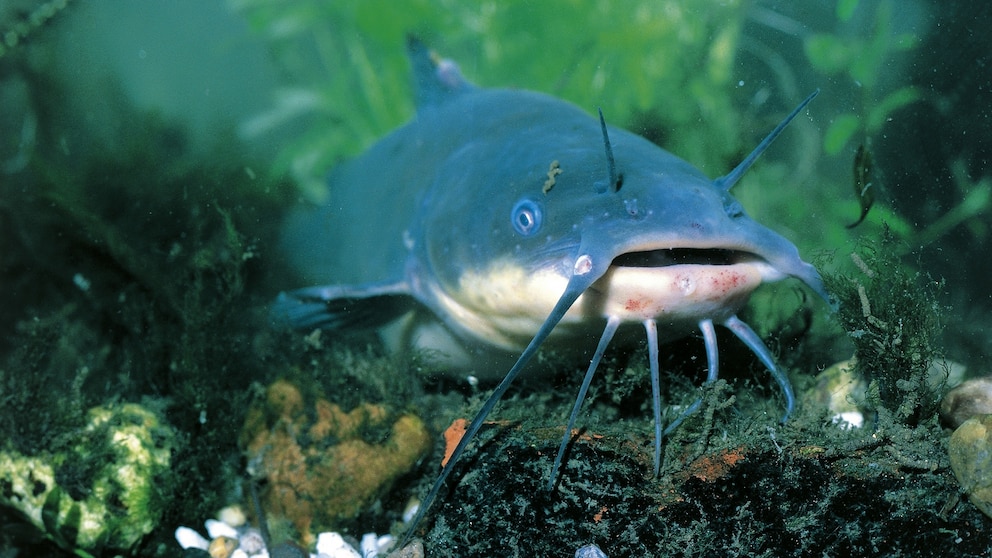
The mystery began in 2013 along Lake Memphremagog, a large freshwater lake that spans the border of Vermont and Quebec. Anglers and biologists began pulling up brown bullhead catfish with raised black spots on their bodies. It was later found that 23% to 37% of those sampled had confirmed melanoma lesions, a type of skin cancer, according to a new study published in Nature.
Melanomas had been previously reported in brown bullhead catfish in other areas, but not at such a high rate. At first, experts suspected an environmental cause. Tropical Storm Irene had caused massive regional flooding in 2011, leading some to question whether pollution had triggered unusual cancer rates in the fish through cancer-causing contaminants, according to the study
The new study, however, points to a more unusual explanation -- these cancer cells may be transferring from one catfish to the next. The finding represents the first known transmissible cancer in fish and the first identified in a freshwater setting.
Is cancer ever contagious?
According to the American Cancer Society, catching cancer from another person is essentially impossible. Cancer usually begins when a person’s own cells sustain DNA damage, grow out of control and form a tumor. Cancer cannot be spread through touching, sharing food, or breathing the same air as someone with cancer.
Direct transmission of cancer cells between humans is extremely rare and usually involves unusual medical circumstances. The American Cancer Society says one situation in which cancer can spread from one person to another is through an organ or tissue transplant, although that risk is very low. Rare pregnancy-related cases have also been reported.
The American Cancer Society also says that some infections, like human papillomavirus and hepatitis B, can spread from person to person and increase the long-term risk of developing certain cancers over time. In these cases, the virus is what spreads between people, not the cancer itself.
The idea behind a true transmissible cancer works differently. The cancer cell itself would have to leave its original host and continue growing elsewhere, according to the study authors. But scientists still do not know exactly how this process works in the brown bullhead catfish found in Lake Memphremagog.
Solving the catfish mystery
When researchers examined the affected catfish, they found no infectious reason that could explain the melanoma, prompting them to look more closely at the tumors using whole-genome sequencing, a technique that maps and compares DNA.
Researchers compared malignant melanoma DNA found on these catfish with DNA from healthy catfish tissue. They found that the tumors -- taken from multiple catfish samples -- were strikingly similar to one another, and markedly different from the catfish carrying them. In other words, the tumors appear to have come from a single line of cancer cells that have then spread from fish to fish, rather than occurring independently.
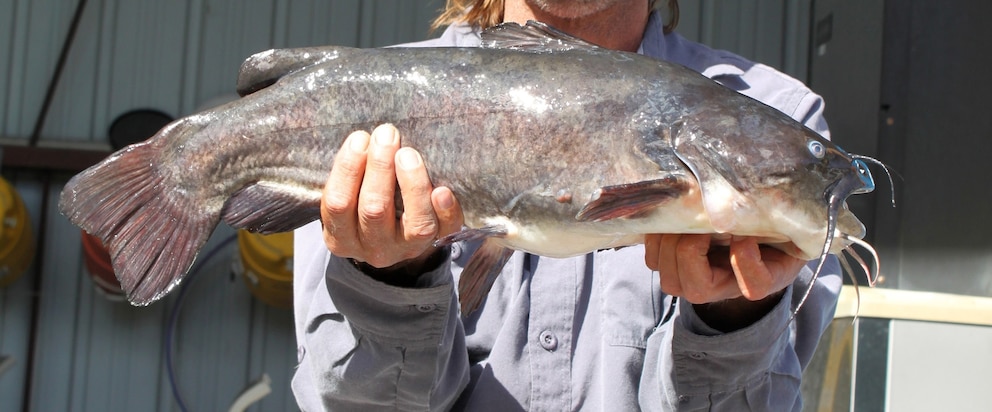
Researchers are still investigating how the cancer spreads in this specific population of catfish. Brown bullheads are known to gather closely during spawning season, which could give cancer cells opportunities to move from one host to another through close proximity. But the exact route of transmission has not yet been proven.
What it means for humans
Lake Memphremagog is a drinking water source for more than 175,000 people. But scientists say there is no known risk of this potentially transmissible melanoma found in catfish to transfer to humans.
Researchers have said the cancer cells do not appear able to affect other species in the area, and there is no evidence that people can catch cancer from these fish or from the lake water.
According to the study, previously known naturally transmissible cancers have been found in dogs, Tasmanian devils, and bivalve mollusks, such as clams and mussels. And now, scientists can add catfish to that short list.
This discovery could help researchers better understand how cancer cells avoid the immune system, replicate, and survive in their host.
The Lake Memphremagog catfish study suggests that nature still holds unexpected lessons about cancer and may help scientists better understand one of cancer’s most puzzling abilities: how malignant cells survive, spread, and keep growing in places they do not belong.