Scientists have found a way to expose poaching criminal networks using DNA from seized elephant tusks
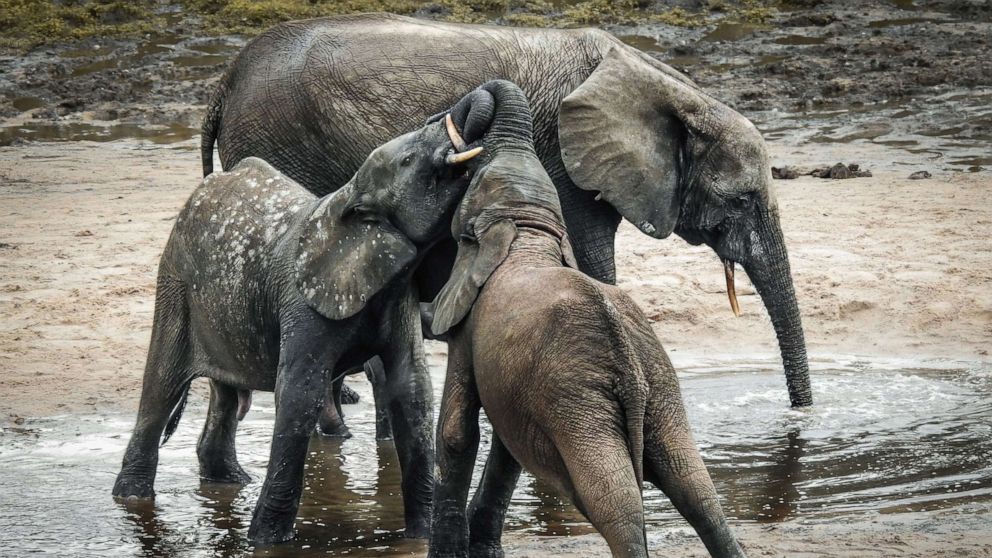
Researchers in Africa have discovered a way to weaken large criminal networks responsible for the poaching that threatens vulnerable species all over the continent.
DNA from the tusks of 4,320 African savanna elephants has identified networks for trafficking ivory out of Africa, according to a study published in Nature Human Behavior Monday.
The authors of the study, University of Washington biologist Samuel Wasser and Nairobi Homeland Security Investigations assistant attaché John Brown III, were able to use previous work that identified tusks from the same elephant -- as well as close relatives -- found in different seizures, therefore revealing links between those shipments and their movements across the country.
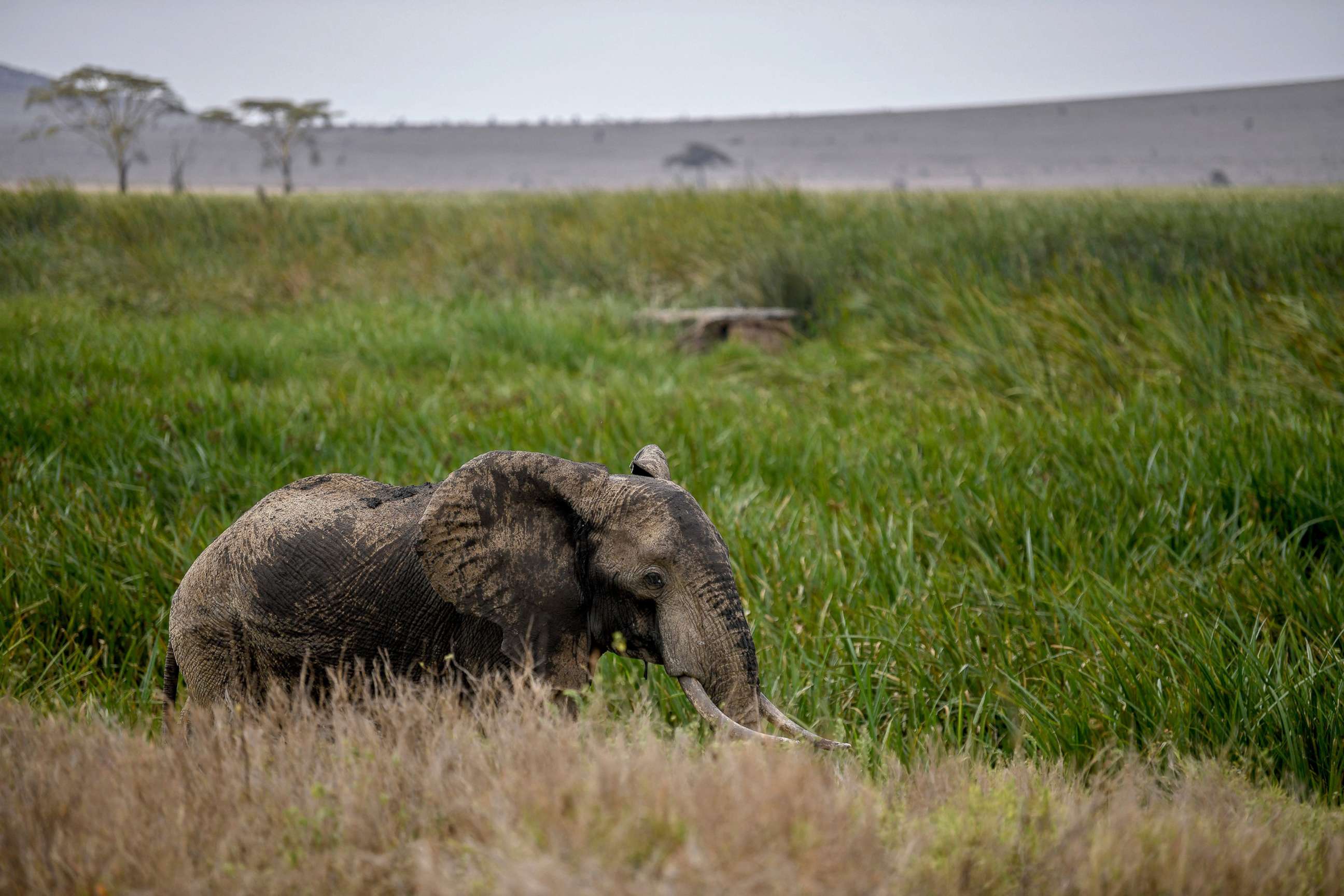
The findings showed that the majority of the 49 large ivory seizures (totaling 122 tons) shipped out of Africa between 2002 and 2019 contained tusks from repeated poaching of the same elephant populations.
"It was astounding, what we found," Wasser told reporters. "Literally, we had dozens of shipments that were simply connected by multiple familial matches."
The data also showed how "big, transnational" criminal networks may be behind the majority of these crimes and the strategic movements of criminal networks between ports in Africa, Wasser said, describing previous efforts to identify these networks as playing "whack-a-mole."
The source of the poaching over the study period was "constant," with many of the organized crime rings operating for decades, Wasser said.
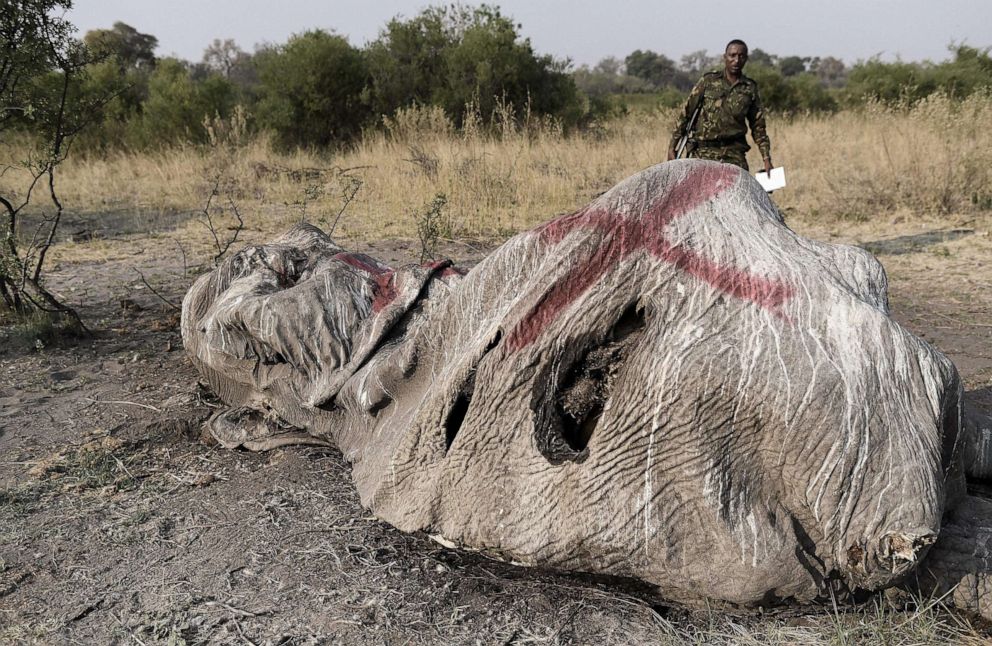
Nearly all of the shipments, smuggled in large volumes as marine cargo, came from two places: an area concentrated in East Africa and another concentrated in Central West Africa, Wasser said. The smuggling process was similar to those used by the mafia and drug cartel in South Africa, Brown told reporters.
Ivory seizures — large shipments of tusks seized by authorities — provide information that can help law enforcement to understand the activities of traffickers. Previous work has identified tusks from the same elephant found in different seizures.
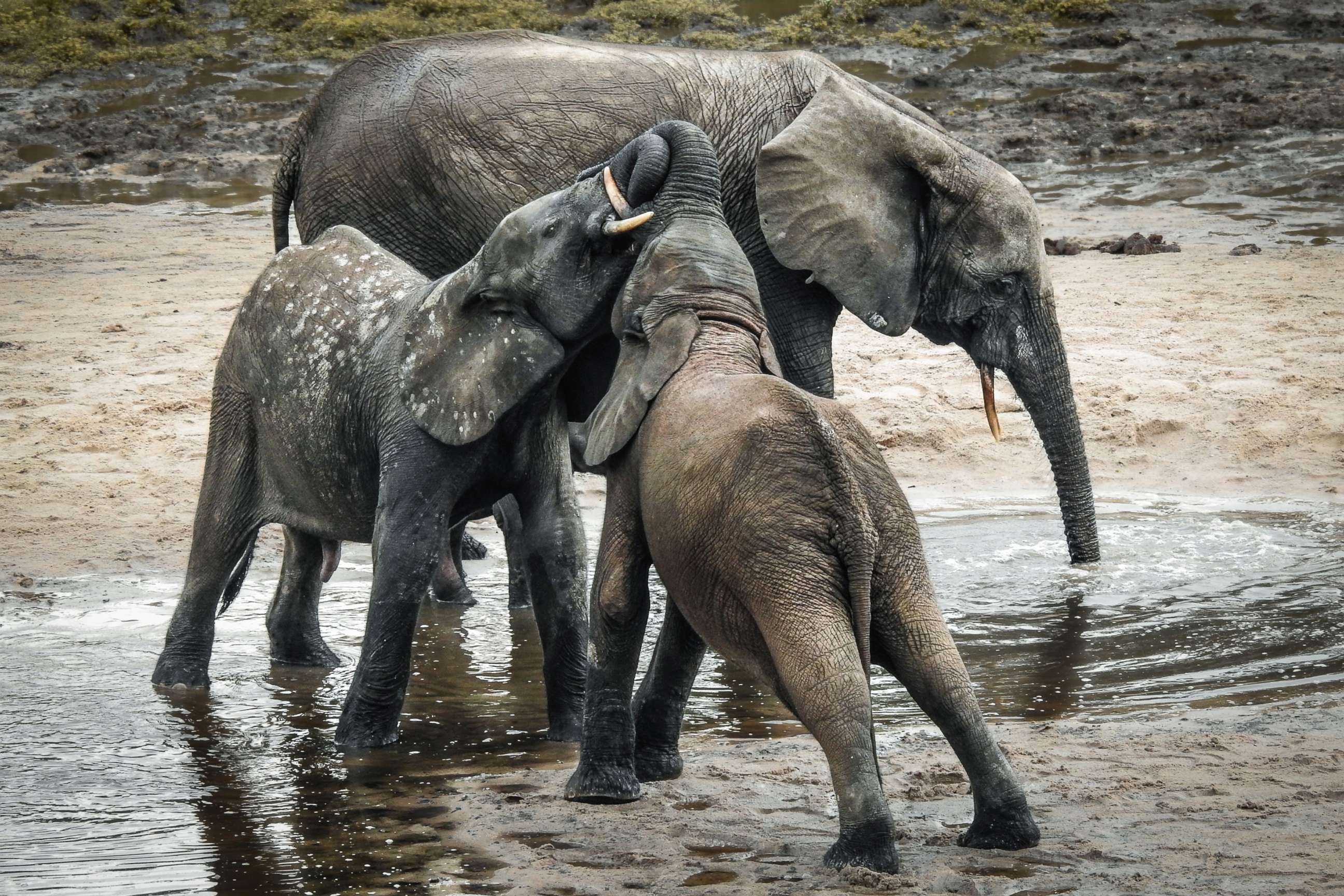
The African forest elephant is listed as critically endangered and the African savanna elephant is listed as endangered on the International Union for Conservation of Nature's Red List of Threatened Species. About 415,000 elephants of both species combined are left on the continent.
Combating the illegal ivory trade by lowering the demand in ivory destination markets such as Europe and Asia has been instrumental in mitigating population declines, Dr. Kathleen Gobush, lead assessor of the African elephants and member of the IUCN SSC African Elephant Specialist Group, told ABC News last year.
Understanding the connections between ivory seizures could strengthen prosecutions of suspected poachers, ensuring they are held responsible for their crimes and helping to further halt criminal networks.