• Video
  • Shop
  • Culture
  • Family
  • Wellness
  • Food
  • Living
  • Style
  • Travel
  • News
  • Book Club
  • Newsletter
  • Privacy Policy
  • Your US State Privacy Rights
  • Children's Online Privacy Policy
  • Interest-Based Ads
  • Terms of Use
  • Do Not Sell My Info
  • Contact Us
  • © 2026 ABC News
  • News

Scientists make see-through fruit flies
6:10
News headlines today: Nov. 30, 2018
TU Wien
ByCatherine Meyers | INSIDE SCIENCE
November 30, 2018, 3:10 PM

While fruit flies may bother people who have week-old bananas at home, the humble insects have for decades benefited scientists studying how organisms live and grow. The tiny flies are more like humans than you might initially think -- about 60 percent of fly genes match with a similar human gene -- and they breed quickly in the lab. Beginning in 1933, the Nobel committee has so far awarded six prizes in physiology or medicine for fly research, including the 2017 Prize for uncovering how the body's internal clock works.

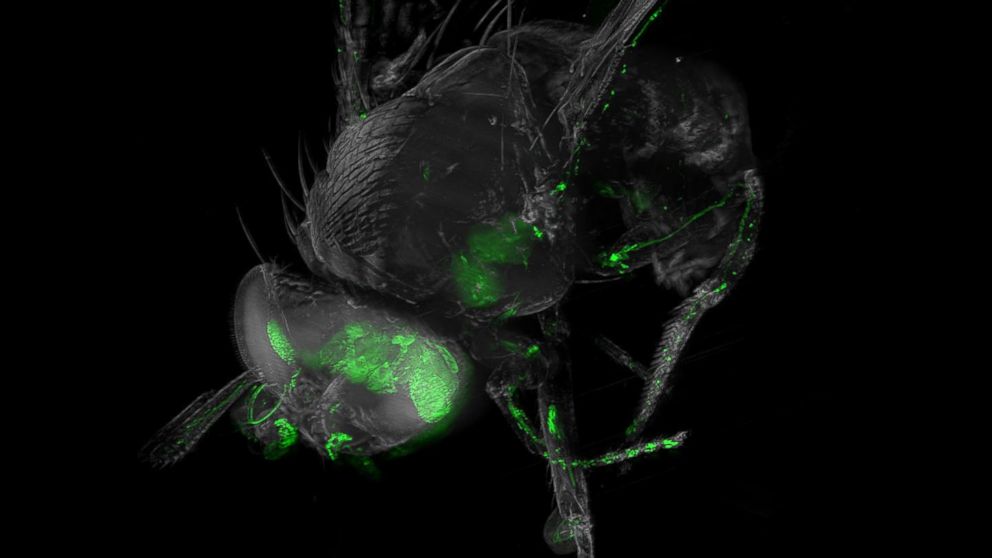
Now a team of scientists in Austria has given fruit fly researchers a handy new tool to prepare their specimens for study: a recipe for making a see-through fly. Dubbed FlyClear, it includes step-by-step instructions for how to soak fruit fly larvae, pupae or adults in a series of chemicals that turn the flies transparent. The fruit flies' eyes -- typically a bright red -- were especially tricky to clear.

Related Articles

(MORE: Ants turn carnivorous when salt is scarce, study says)

A see-through fly is useful because the insects can be genetically modified so that parts of their insides glow, and this glowing can be imaged with a microscope (without having to chop the fly up into bits) if the light can just travel through the fly. One key advantage of FlyClear is that it works without destroying the molecules that make the fly glow.
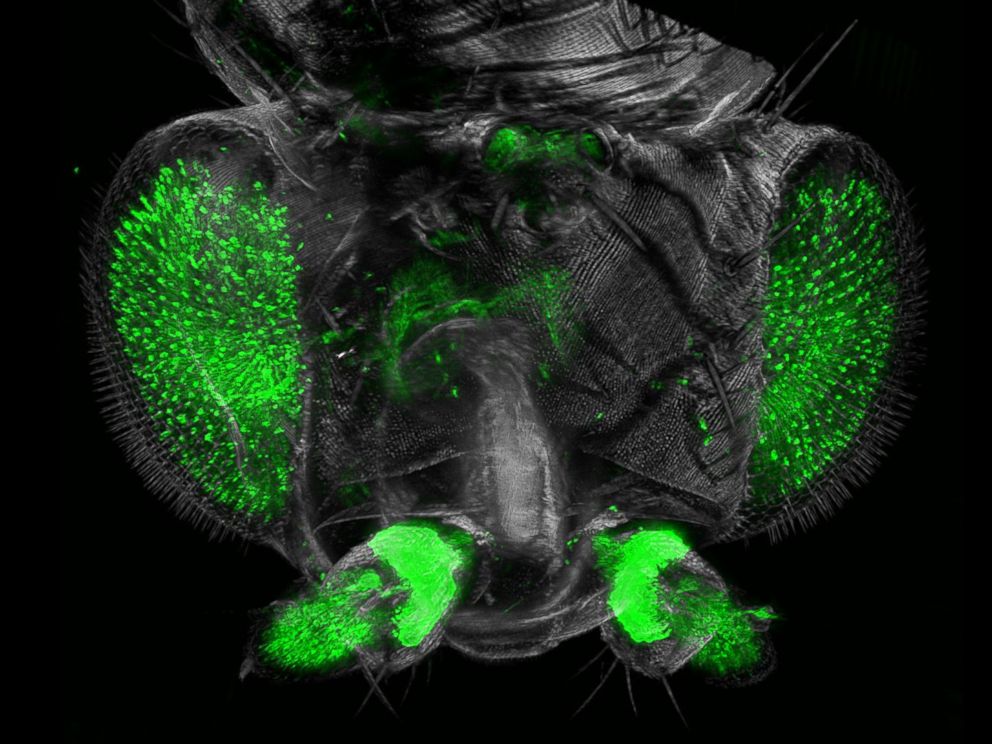
An ultramicroscope picture of the head of the fruit fly Drosophila melanogaster.
TU Wien

Related Articles

(MORE: What do shrink-wrapped Thanksgiving turkeys and the Higgs Boson have in common?)

The team demonstrated the approach by creating high-resolution 3D images of the nervous systems of fruit flies at various stages of development. The images could help scientists study the way neurons connect and how those connections govern behavior or change in cases of neurodegenerative disease.

The work was published this month in the journal Nature Communications.

Inside Science is an editorially-independent nonprofit print, electronic and video journalism news service owned and operated by the American Institute of Physics.

Inside Science

Up Next in News—

Man arrested near former Prince Andrew's home appears in court

May 8, 2026

Black educators say they're committed to the profession amid growing pressures, underrepresentation

May 8, 2026

Jake Reiner discusses death of parents Rob and Michelle Reiner in return to podcast

May 7, 2026

How to save on gas with new Fuel Day promo at Circle K amid soaring prices

May 7, 2026

Shop GMA Favorites

ABC will receive a commission for purchases made through these links.

Sponsored Content by Taboola

The latest lifestyle and entertainment news and inspiration for how to live your best life - all from Good Morning America.
  • Contests
  • Terms of Use
  • Privacy Policy
  • Do Not Sell My Info
  • Children’s Online Privacy Policy
  • Advertise with us
  • Your US State Privacy Rights
  • Interest-Based Ads
  • About Nielsen Measurement
  • Press
  • Feedback
  • Shop FAQs
  • ABC News
  • ABC
  • All Videos
  • All Topics
  • Sitemap

© 2026 ABC News
  • Privacy Policy— 
  • Your US State Privacy Rights— 
  • Children's Online Privacy Policy— 
  • Interest-Based Ads— 
  • Terms of Use— 
  • Do Not Sell My Info— 
  • Contact Us— 

© 2026 ABC News