Scientists Reveal Real 'Paleo' Diet of Ancient Skeleton
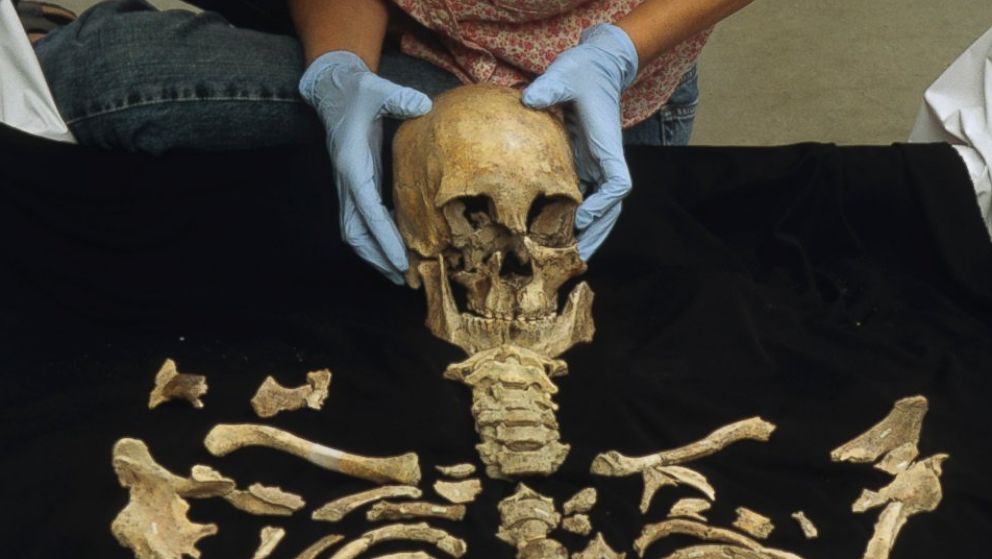
— -- Researchers studying the bones of an ancient skeleton in Washington state have uncovered an interesting twist to the man's original "paleo" diet.
Scientists have been examining the mysterious Kennewick skeleton since it was found near that city in 1996. The skeleton dates back 9,000 years and appears to be of a different ethnicity than other indigenous people, according to Henry Schwarcz, a geochemist and professor emeritus at the School of Geography and Earth Sciences at McMaster University in Ontario, Canada.
Schwarcz, who studies the diets of ancient people by analyzing isotopes in bones, said he was amazed after analyzing the collagen in the bones of Kennewick man in an effort to identify his paleodiet.
"This guy was apparently living on a diet almost exclusively of marine foods; foods that come from the ocean," Schwarcz said.
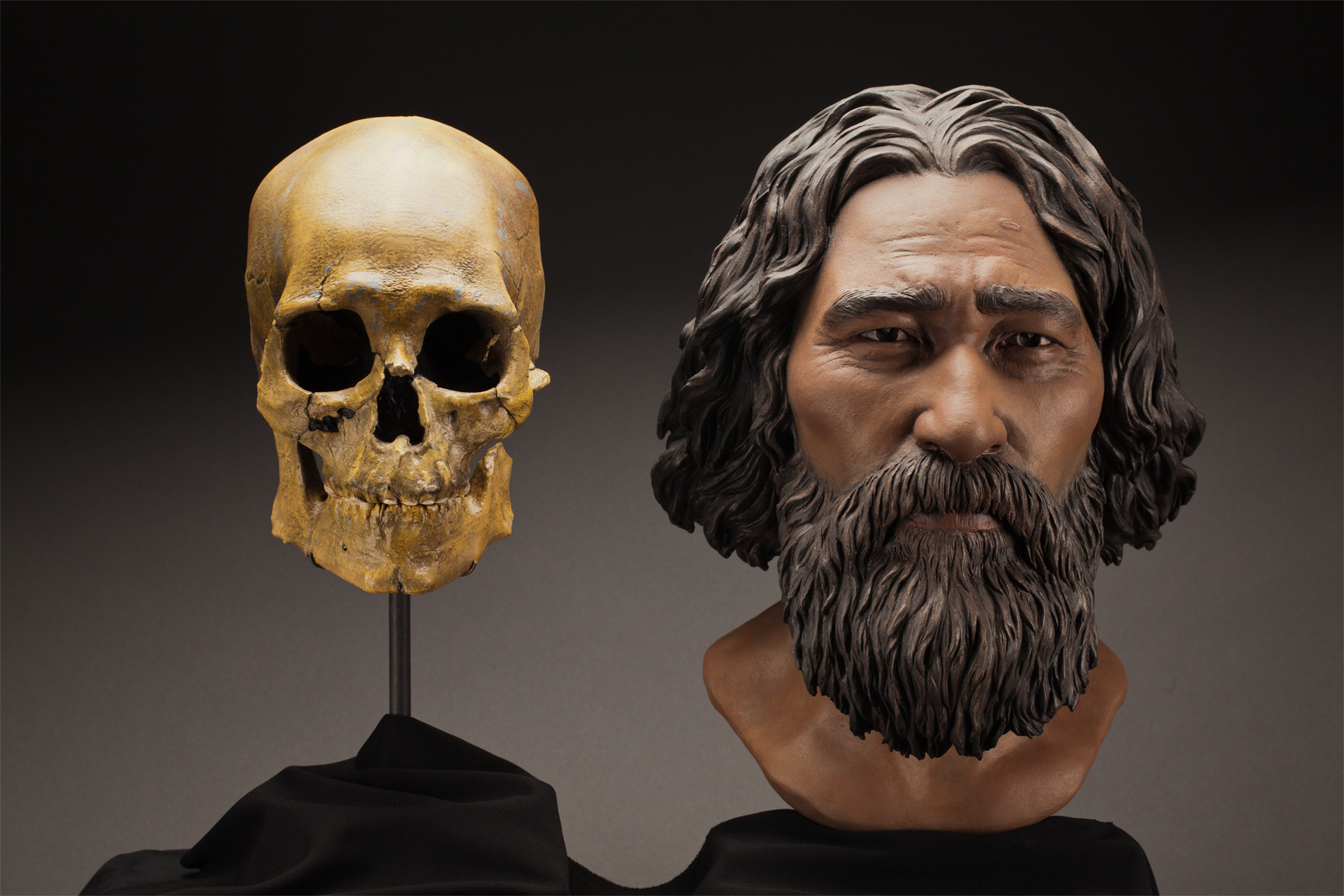
The results are surprising because the man was found 350 miles inland along the Columbia River near plains that were teeming with terrestrial wildlife. While he could have been subsisting on salmon swimming upstream, he was likely not venturing to hunt in the fields.
"He was choosing not to eat that wildlife," Schwarcz said.
The geochemist explained that the Kennewick man may have "had a prejudice against eating footed creatures. That’s not really something that we [see.]"
Kennewick said it's unclear why he didn't try to branch out and eat other wildlife in the area.
The time period for the Kennewick skeleton is just under the timeline cited by followers of the "paleo" diet, who aim to eat the same way people ate 10,000 to 2.5 million years before agriculture took hold.
Ken Sayers, an anthropologist at Georgia State University in Atlanta and one of the lead authors of the recent Quarterly Review of Biology of how ancient people ate, said there is little evidence to suggest early humans subsisted on a specialized diet.
“Whatever angle you chose to look at the diets of our early ancestors, it’s hard to pinpoint any one particular feeding strategy,” Sayers said.
ABC News' Liz Neporent contributed to this article.