Scientists solve mystery of 'zombie' volcano displaying signs of eruption for decades
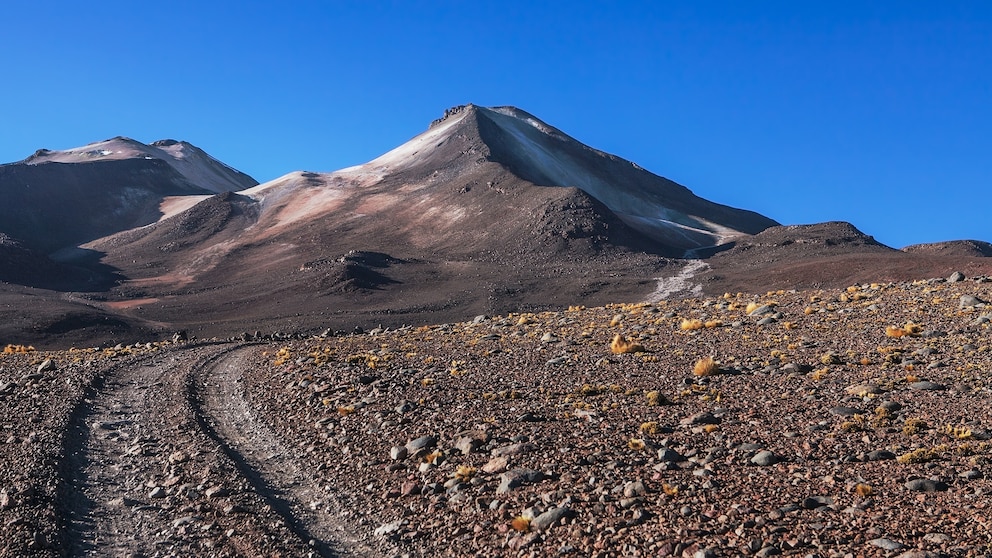
Researchers have solved the mystery on why a dormant volcano in South America has displayed possible signs of an eruption for decades.
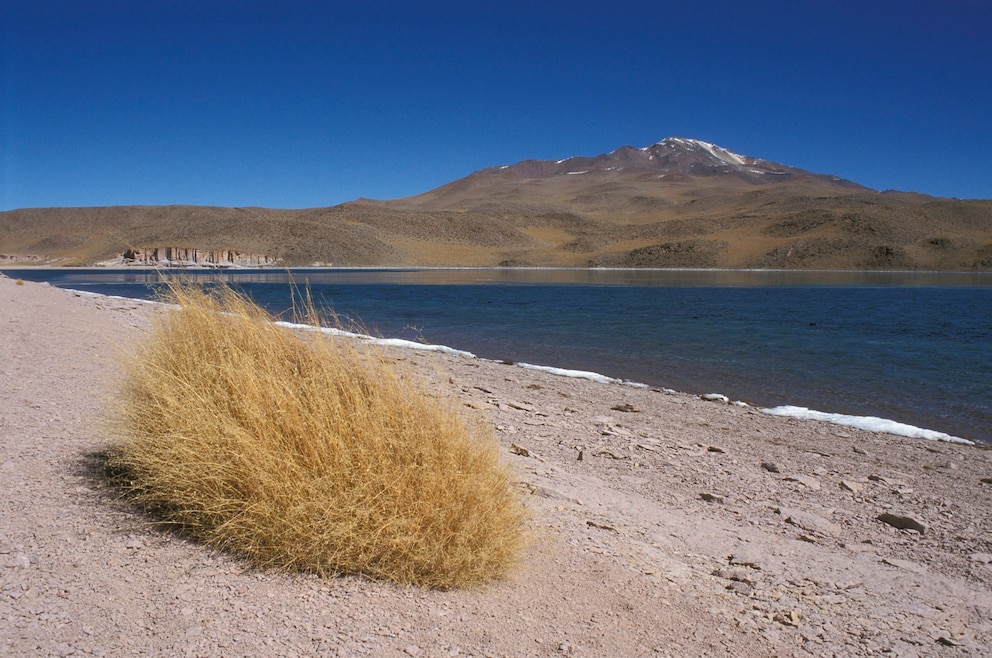
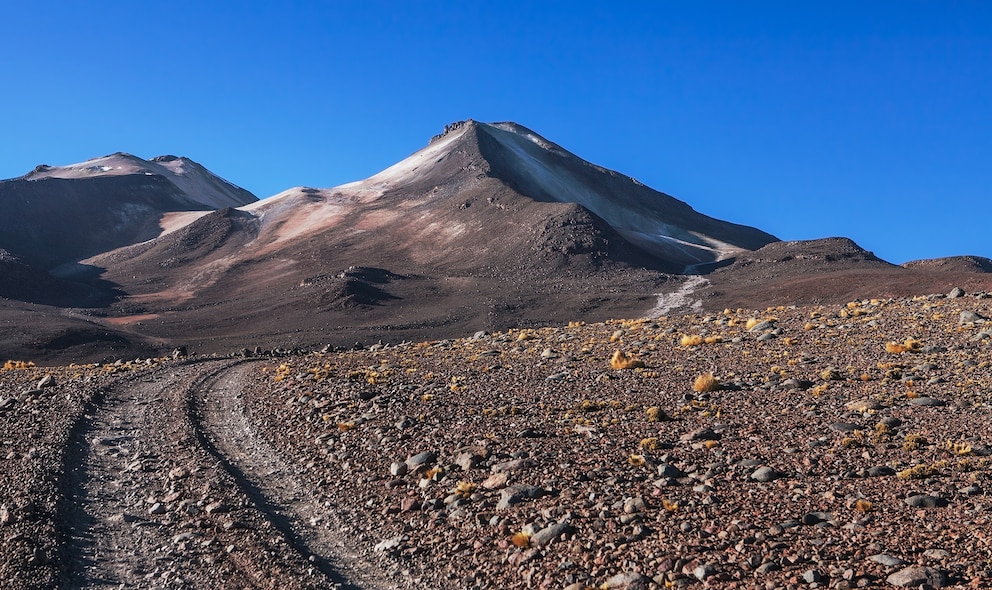
The Uturuncu, a dormant volcano located in the Andes mountains in Bolivia, has not erupted in 250,000 years. But signs of unrest at the site -- including earthquakes and plumes of gases -- prompted researchers to look into whether a possible eruption of what their study calls a "zombie" volcano is imminent.
Since the 1990s, the ground around Uturuncu has appeared to deform in a "sombrero" pattern, with the land in the center of the volcanic system rising up and surrounding areas sinking down, satellite radar and GPS measurements have shown, according to a study published in the Proceedings of the National Academy of Sciences on Monday. Over the last 50 years, the central rising measured at uplifting rates up to 0.4 inches per year.
Scientists from the U.S., the U.K. and China combined seismology, physics models and analysis of rock composition to identify the cause of the unrest. By visualizing the way that magma and gases move around underneath the volcano, they determined that the rumblings and other signs of unrest were the result of the movement of liquid and gas beneath the crater, according to the paper.
An eruption at Uturuncu -- which sits above the world's largest-known magma body in the Earth's crust -- could cause widespread damage and threaten human lives for local populations, the researchers said. However, there is a low likelihood of explosion, they concluded.
The researchers compared the imaging of the interior of the volcano to methods used in medical imaging of the human body. Seismic waves provided high-resolution insights into the inner workings of Uturuncu -- and in three dimensions, according to the paper.
The imaging let researchers map out possible pathways for geothermally heated fluids to migrate upwards, as well as how liquids and gases accumulate in reservoirs directly below the volcano’s crater. This activity is most likely the cause for the deformation at the center of the volcanic system, the paper notes.
"Our results show how linked geophysical and geological methods can be used to better understand volcanoes, and the hazards and potential resources they present," co-author Mike Kendall, head of the University of Oxford's department of earth sciences, said in a statement.
The methods could be applied to more than 1,400 potentially active volcanoes around the world, as well as dozens of volcanoes that are not considered active but show signs of life, co-author Matthew Pritchard, a geophysicist at Cornell University, noted in a statement.