What to know about Secret Service inauguration security before Monday's event

Two apparent assassination attempts, a terrorist-inspired attack in New Orleans, an explosion in Las Vegas and a pair of global conflicts see President-elect Donald Trump returning to the Oval Office under circumstances that can only be described as high pressure and high stakes.
Monday's inauguration of the 47th president -- which will be the first to take place indoors since 1985 -- will occur against a backdrop of domestic and international threats, all of which need to be mitigated to ensure a safe, peaceful transfer of power.
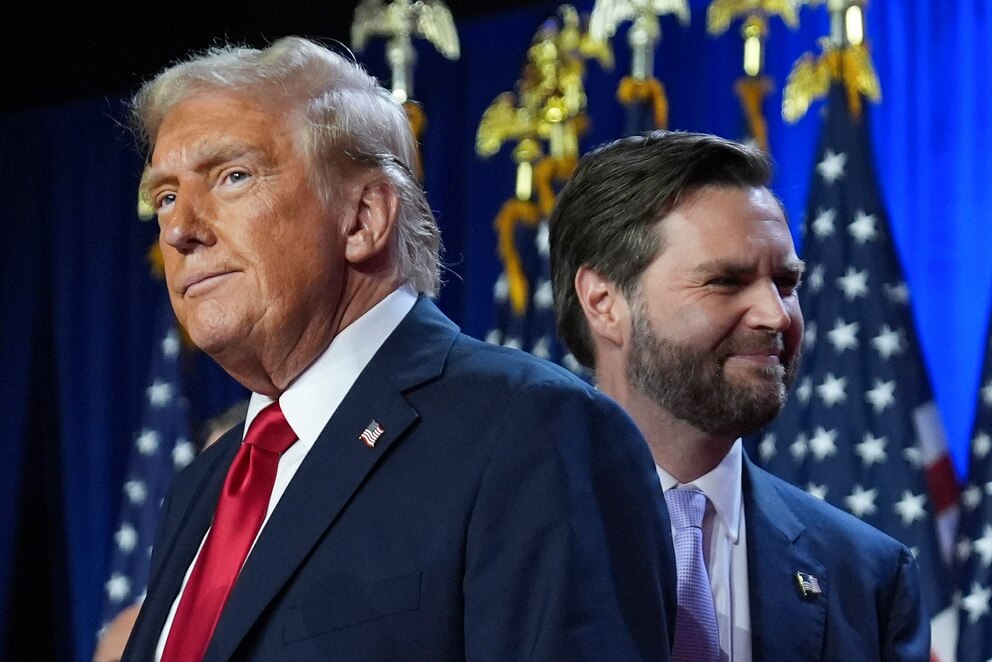
Presidential inaugurations have always been targets for nefarious activities, most often tied to groups with opposing political positions who plan acts of civil disobedience. Unfortunately, that dynamic has changed and threats against public officials have increased exponentially.
Assassination attempts seemed to dominate the news last year, including an attempt on Trump's life (closely followed by an apparent second attempt) and the fatal attack on United Healthcare CEO Brian Thompson. This makes the security concern for Trump's second inauguration unlike any in recent history.
In 1998, the National Special Security Event (NSSE) procedures were established by President Bill Clinton as part of Presidential Decision Directive 62. This laid out the security roles of federal agencies at major events after the 1996 Olympic bombings in Atlanta, where a lack of an overall coordinating federal agency was cited as a security gap that needed to be addressed.
The Presidential Threat Protection Act of 2000 added special events explicitly to the powers of the Secret Service, making it the clear federal coordinator for all large NSSE-declared events.
Under that planning process, the Secret Service has to coordinate all federal, state and local resources for the event, which this year is taking place amid unprecedented threats from assassinations, ISIS-inspired attacks, vehicle ramming attacks and potential domestic violent and foreign actor threats.
This means every facet of the inauguration, from aerial surveillance and perimeter access controls to mass transit, road closures and security sweeps must all be planned and prepared for. In this environment, the Secret Service will also lean on interagency coordination centers to vet and address all risks that arise.
The Department of Defense is one of the critical stakeholders and resource providers for inauguration ceremonies and security. Defense Department support assets are sure to be employed to assist with K-9 and technical security sweeps, along with aviation security and aiding the Coast Guard in making sure the Potomac River is safe.
These assets have a dual responsibility: they are mandated by policy to support the Secret Service and to follow the commander in chief by law.
Perhaps the one that will be most critical is the interagency intelligence operation, which is co-chaired by the Secret Service, FBI and Washington's Metropolitan Police Department.
With the current threat levels, these groups are sure to be running down leads locally, nationally and internationally to mitigate any potential threat to the inauguration or any of the high-level people attending.

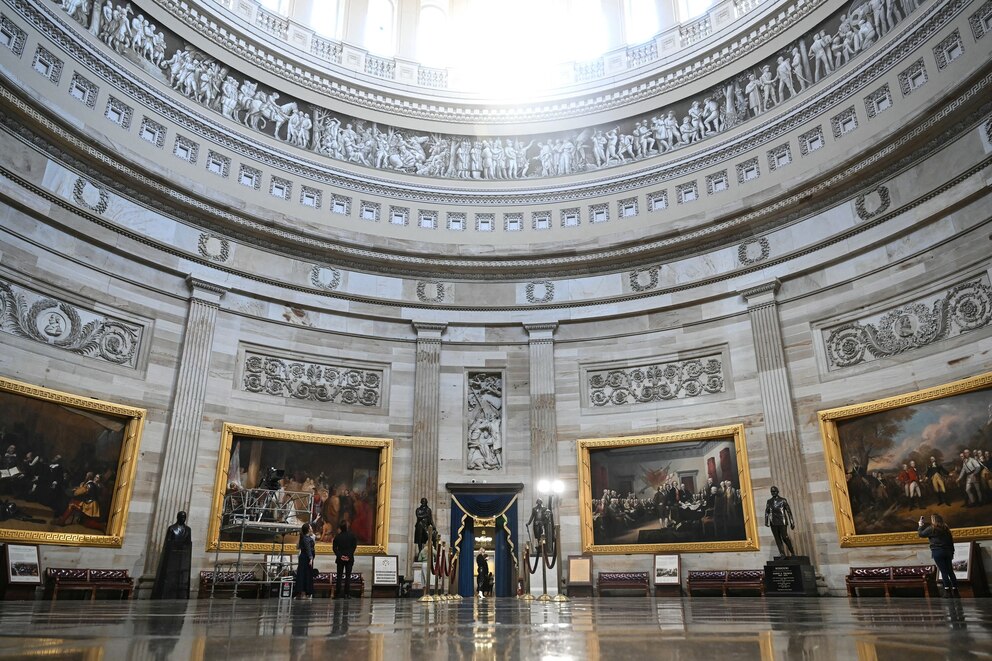
Presidential movements on Inauguration Day will be a particular focus for planners. From the swearing-in inside the U.S. Capitol Rotunda to celebratory gatherings Trump may attend, each movement that day will have Secret Service security mitigation measures in place.
Under the Secret Service NSSE umbrella and through the dedication of its personnel, Monday's inauguration should be a well-planned and secure event despite the historic threat environment.
(Donald J. Mihalek is an ABC News contributor, retired senior Secret Service agent and regional field training instructor who served during two presidential transitions. He was also a police officer and served in the U.S. Coast Guard. The opinions expressed in this story are not those of ABC News.)