Senate fails again to advance funding bill, shutdown likely to extend into next week
The Senate failed to pass government funding bills for the fourth time on Friday, leaving the shutdown in effect likely through the weekend with congressional leaders appearing to be at an impasse.
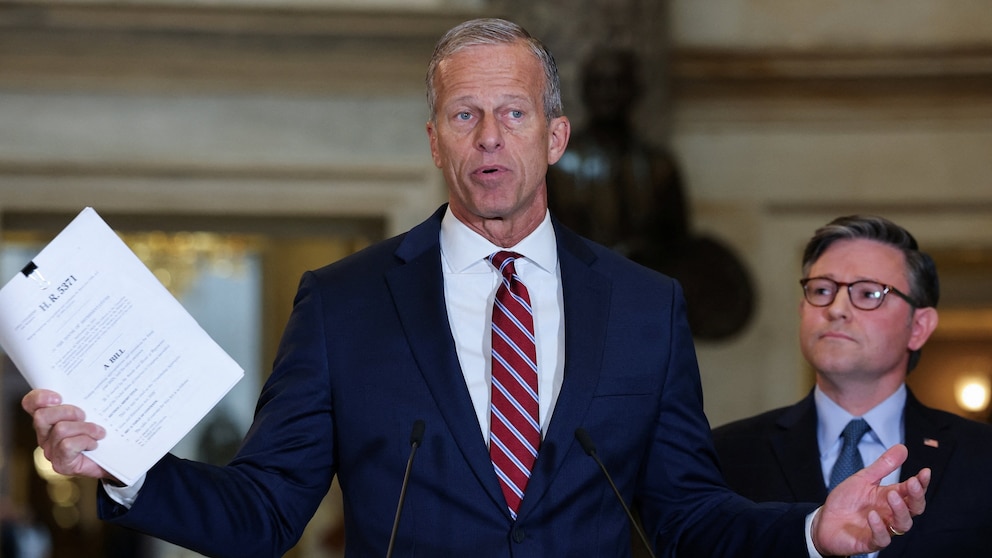
Ahead of Friday's vote, Senate Majority Leader John Thune stood firm on the Senate floor and signaled his party’s unwillingness to negotiate with Democrats over their demands in order to open the government back up.
"This shutdown needs to end sooner rather than later, and there's only one way out of it. Democrats need to vote for the clean, nonpartisan continuing resolution sitting right there," Thune said.
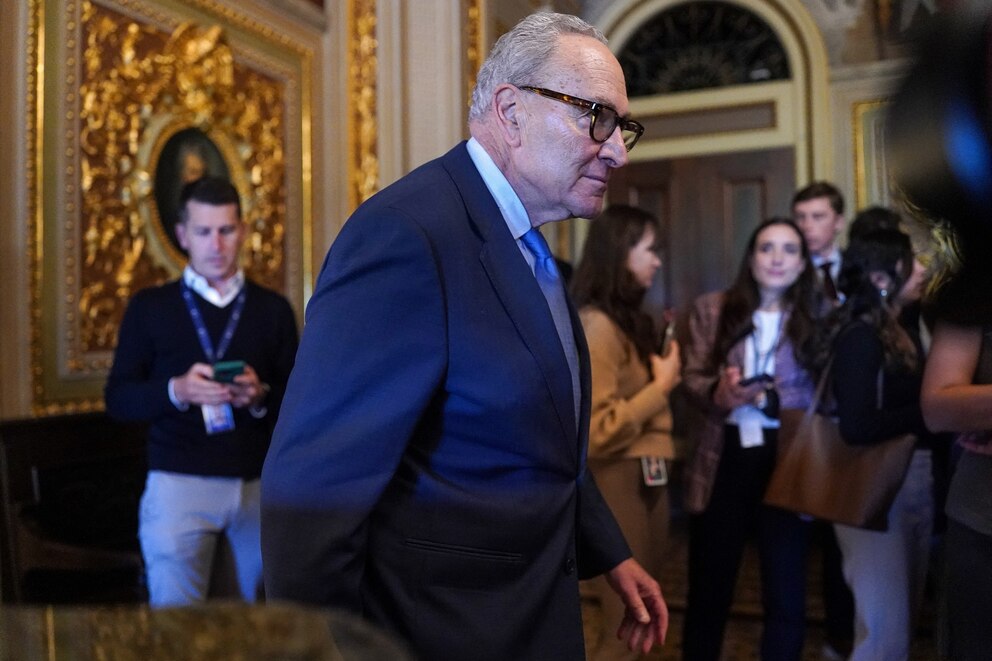
Minority Leader Schumer pointed a finger back at Republicans, saying on the Senate floor that the government remains closed because Republicans "insist" on threatening health care across the country.
"It's Day 3 of the Trump shutdown, and the government remains closed because Donald Trump and Republicans insist on raising Americans' health care premiums and kicking millions off their insurance," Schumer said.
In addition to the GOP-backed seven-week stopgap funding measure, the Senate voted on the Democrat's funding bill that includes health care provisions. Both bills failed with no one changing their votes since the Senate last considered them on Wednesday.
They were the last scheduled votes for Friday, and Thune has signaled he does not intend to hold votes over the weekend. It is therefore all but certain that the government shutdown will drag on until at least Monday.
The House will not hold votes next week even as the government shutdown continues, the chair announced Friday afternoon. This means the lower chamber will not hold votes until mid-October as the Senate works out its plan to fund the government.
Republicans have repeatedly said they are willing to negotiate with Democrats on Affordable Care Act tax credits -- but only when the government reopens.
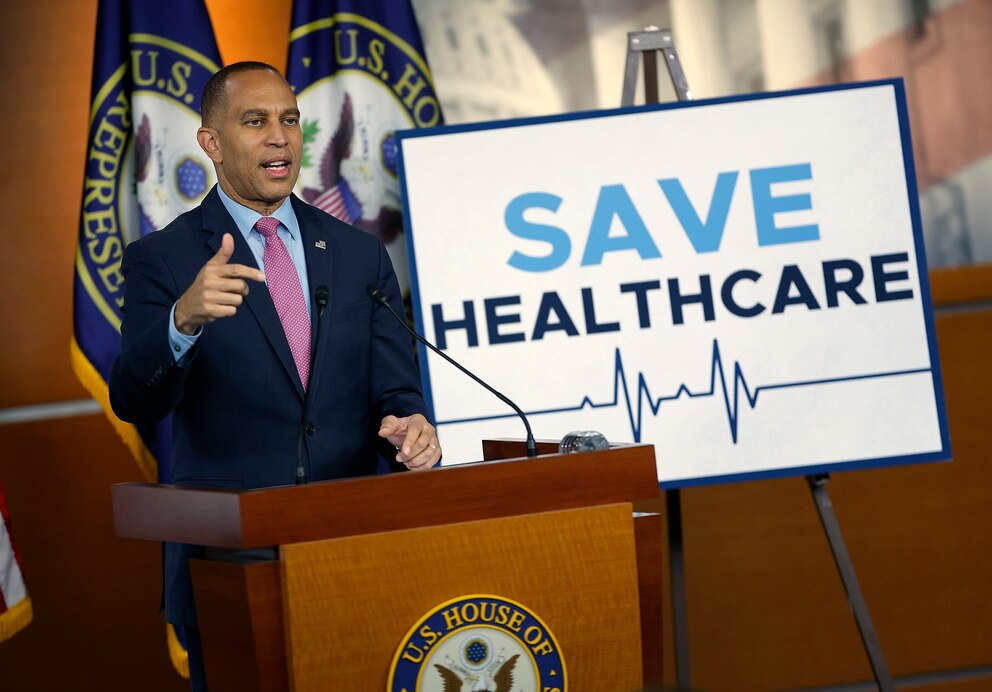
ABC News Senior Congressional Correspondent Jay O’Brien pressed Minority Leader Hakeem Jeffries on Friday, asking if Democrats do not trust those assurances from the GOP.
"We don't view a government shutdown as leverage," said Jeffries, adding that Democrats "need an iron clad legislative agreement to address the health care issues that we have raised."
Meanwhile, Thune is continuing his effort to recruit more Democrats to join the GOP-backed funding bill. He put more pressure on Democrats during a Friday morning press conference.
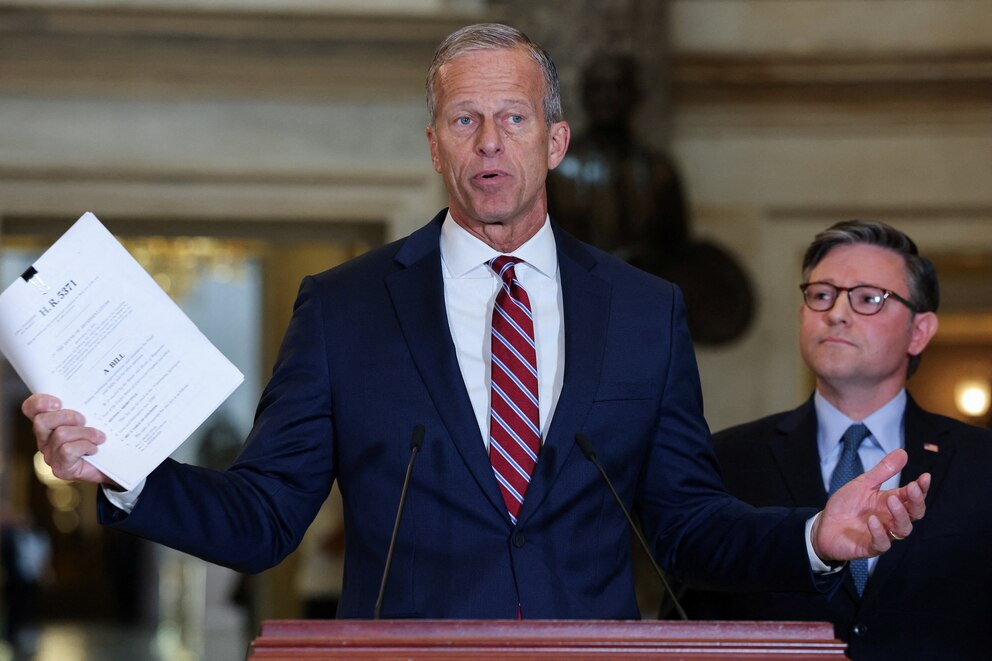
"We have an opportunity to pick up a House-passed bill that if it passes the Senate, will be sent to the White House, the president will sign it and the government will reopen. It's that simple and that straightforward. And that's what we're talking about. All we need is a handful more Democrats," Thune said.
The majority leader said he hoped that Democrats "have a chance to think about" their stance over the weekend.
"I don't know how many times you give them a chance to vote no, and hopefully over the weekend, they'll have a chance to think about it. Maybe some of these conversations start to result in something to where we can start moving some votes and actually get this thing passed," Thune said Friday. "But there's nothing to be gained at this point by negotiating something that there's nothing to negotiate."
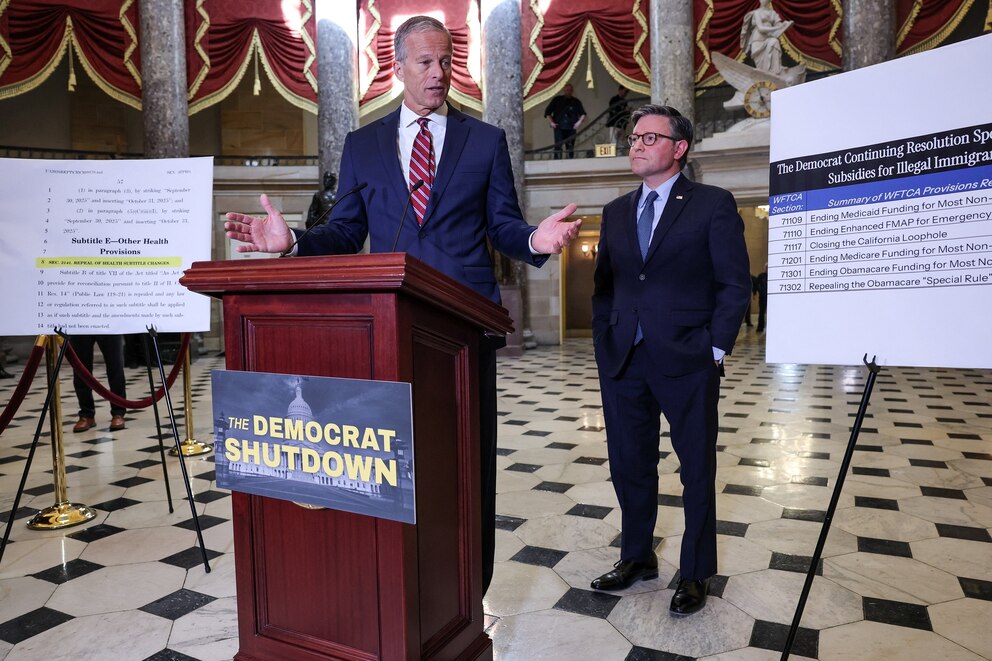
House Speaker Mike Johnson also would not commit to negotiating with Democrats on their $400 billion demand to extend the expanded Affordable Care Act subsidies scheduled to expire at the end of the year.
"Some of the issues that they're bringing to the table and they're demanding immediate easy answers for, are not easy answers and they take a long time to deliberate. That is the process. This is a deliberative body, and a very large one," Johnson said. "We can't snap our fingers, and he and I and two other leaders in a room go, 'Oh, well, this is the resolution.' That's not how it works."
Asked Friday afternoon if President Donald Trump is talking with Democrats to work to get them onboard with the GOP bill, White House press secretary Karoline Leavitt said Senate Republicans are speaking to moderate Democrats and that those conversations have "become very serious."
ABC News' Lauren Peller contributed to this report.