Senate votes to overturn Biden-era Arctic protections. Why environmental groups are concerned.
Environmental groups are slamming Congress' move to overturn a Biden-era rule that limited the amount of land in the Arctic that could be used for oil and gas production.
On Thursday, the Senate voted 52-45 to overturn the decision, which limits the amount of land in the National Petroleum Reserve in Alaska available for drilling to 52%. If taken up, the resolution will go to the House next, which is likely to pass with a GOP majority.
The Senate invoked the Congressional Review Act to reverse a 2022 decision that protected millions of acres in the Western Arctic from oil and gas development. The Congressional Review Act allows the Senate to bypass a filibuster to overturn regulations with a simple majority vote. However, the House has been out of session since the start of the government shutdown with no immediate plans to return, which could delay further progress.
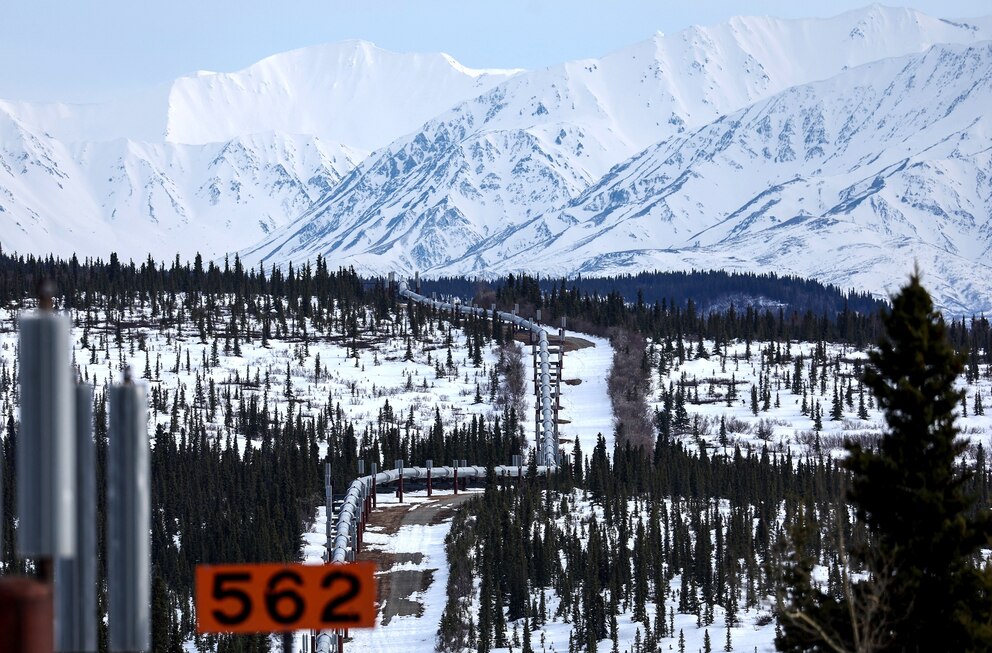
Environmental nonprofits are expressing alarm over the consequences of opening more land in the Arctic up for drilling.
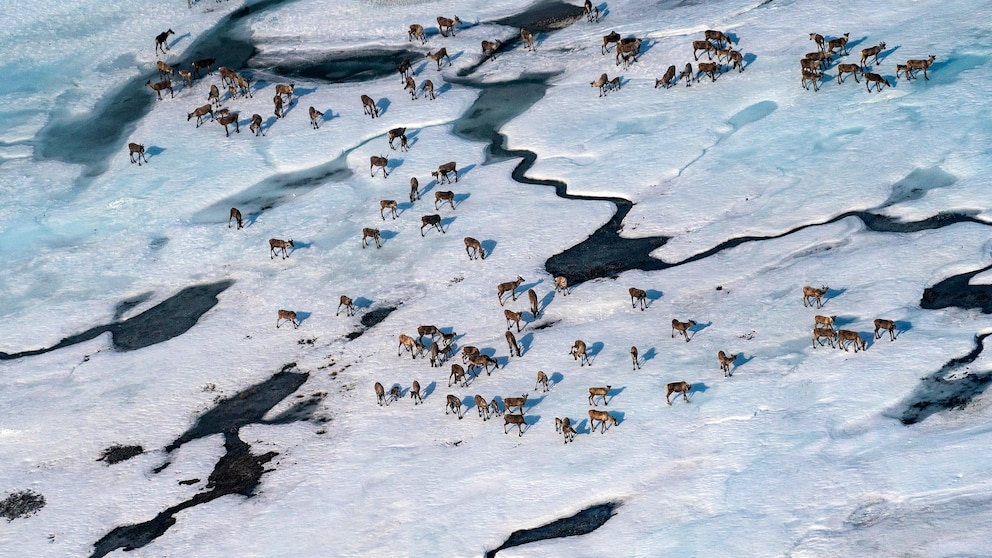
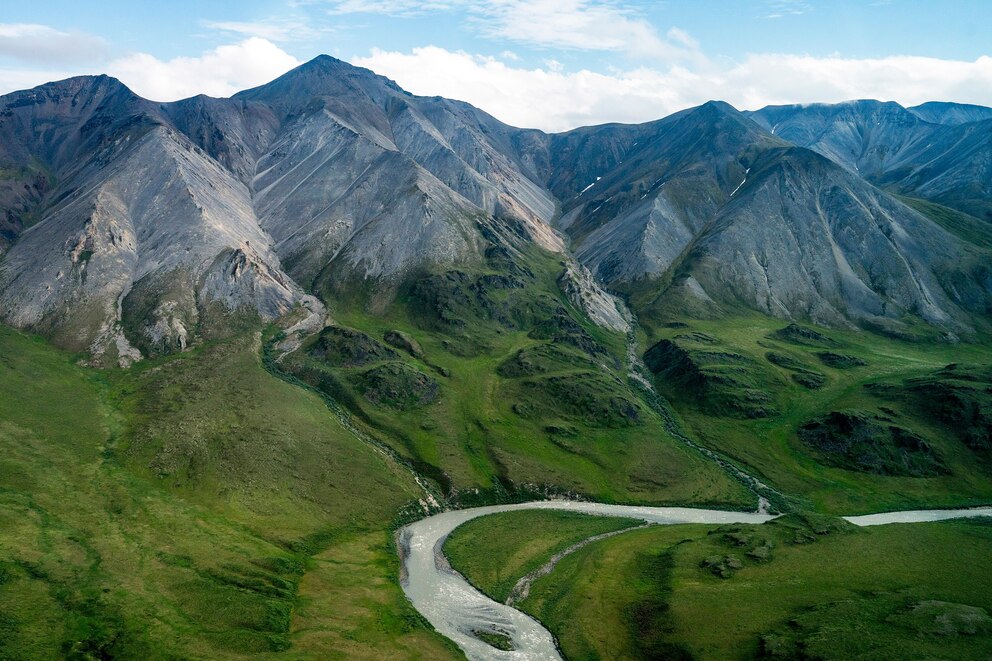
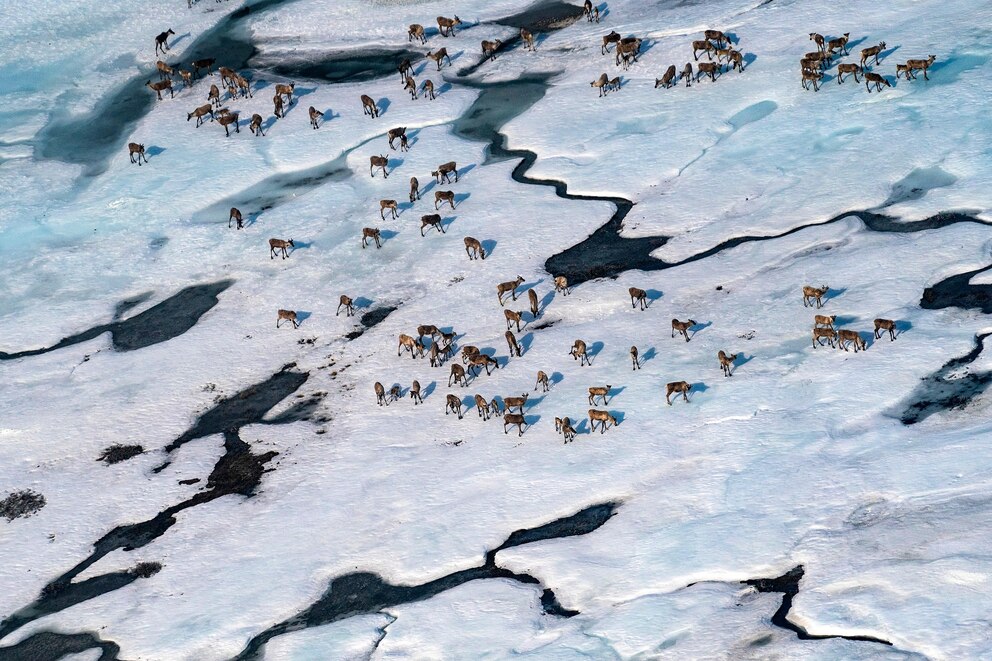
Alaska serves as a "sanctuary" for many Arctic wildlife -- providing critical calving, foraging and migratory habitats for multiple caribou species; nesting habitat for more than 70% of the Arctic Coastal Plain's shorebirds and places for polar bears to build dens, which are critical for sub survival, Mariah Meek, an ecologist at Michigan State University, wrote.
"Caribou are declining. Tundra fires are increasing," National Geographic journalist Neil Shea, who has written a book on how the Arctic is warming, told ABC News. "The landscape in that part of the Arctic is very vulnerable."
Native Alaskan communities that rely on the land and water for subsistence hunting and fishing could suffer as a result of the move, the environmentalists said.
"It’s shameful Congress is overturning the will of so many Americans and Alaskans who care deeply about these lands and rely on these protections to safeguard their communities and ways of life," Earthjustice Action Senior Legislative Representative Laura M. Esquivel told ABC News.
The decision on whether to open up the Arctic to further drilling should have been made by the Indigenous people of Alaska, Shea said.
"As it stands, a few rich folks will benefit while the rest of us are robbed of things that can't be replaced," Shea said.
Last month, Sen. Dan Sullivan, R-Alaska, wrote on X that opening up the National Petroleum Reserve would benefit local communities in the state.
"This will benefit North Slope communities with jobs & economic growth, and support their tax base to improve access to essential services like water and sewer systems and clinics," said Sullivan, who served as a sponsor alongside Sen. Lisa Murkowski, R-Alaska, and Rep. Nick Begich, R-Alaska, for the Congressional Review Act that sought to roll back the Biden-era decision.
The Trump administration has also finalized a plan to open the coastal plain of the Arctic National Wildlife Refuge, 19.3 million acres in northeastern Alaska that provides critical habitat to several species, to drilling, The Associated Press reported. The plan calls for at least four lease sales to take place within the refuge over a 10-year period.
This is the second time Trump has reversed previously established environmental protections for the Western Arctic. In January 2021, the first Trump administration opened 18.6 million acres -- roughly 80% of the National Petroleum Reserve -- for oil and gas development, removing Obama-era protections.
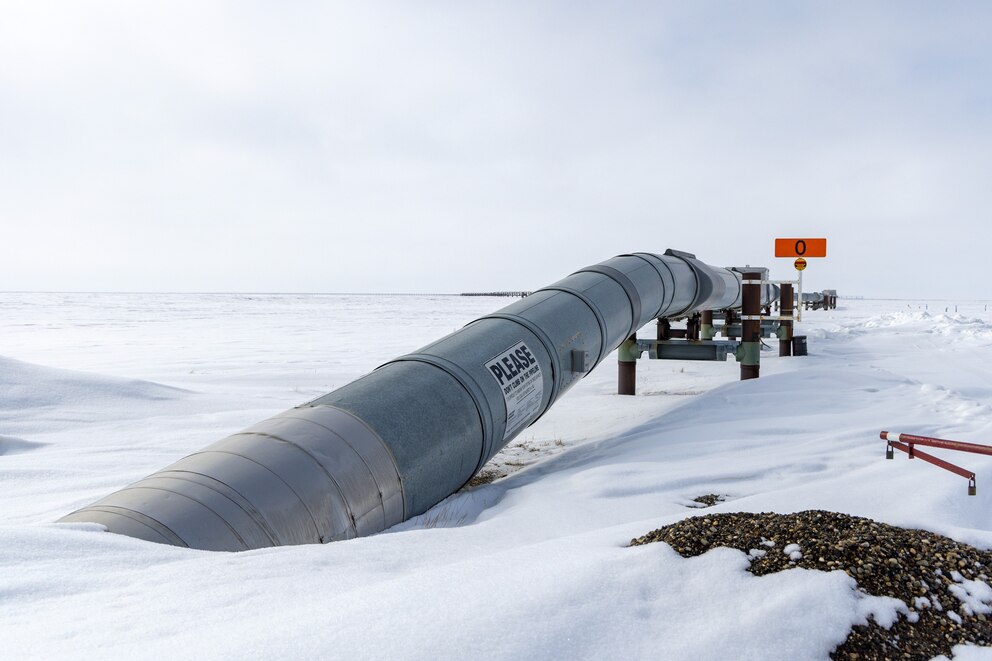
Upon taking office later that month, former President Joe Biden moved to narrow the scope of the lease in the Arctic National Wildlife Refuge, placing a temporary moratorium on oil and gas activity in the Arctic National Wildlife Refuge and revoked the permit for the Keystone XL Pipeline.
The suspension was finalized in 2022, when the Biden administration shrank the amount of land eligible for drilling, enabling leasing of up to 52% of the National Petroleum Reserve in Alaska for oil and gas exploration. The move reversed the Trump-era plan that opened 82% of the reserve for drilling.
In September 2023, the Biden administration authorized the cancellation of the remaining seven oil and gas leases and proposed new regulations that would ensure maximum protection for the more than 13 million acres of "Special Areas" in the reserve, as well as support subsistence activities for the native communities.
A federal judge ruled in March that the Biden administration lacked the authority to cancel the leases.
Environmental groups questioned the legality surrounding the decision to overturn the Biden-era rule, accusing the Senate of misusing the Congressional Review Act to serve the GOP's agenda. Using the CRA in this fashion "is inconsistent with responsible public land management and will create uncertainty for government agencies, the public and the conservation industry," according to the Defenders of Wildlife.
"The CRA is being incorrectly used as a tool to shape the future of the Western Arctic and sets a dangerous precedent for future environmental rollbacks, encouraging policymakers to disregard the ripple effects of these actions," said Robert Dewey, vice president of government relations at Defenders of Wildlife, in a statement. "This vote will authorize the fossil fuel industry’s continued destruction of habitat and landscapes that are critical for wildlife to survive."
Environmental groups lambasted the federal government for making such a decision amid a government shutdown that has lasted for five weeks.
"Donald Trump and his allies in Congress have gotten us into a crisis, and now they’re exploiting it to hand over our public lands and wild places to corporate polluters – it’s shameful," Athan Manuel, director of the Sierra Club’s Lands Protection Program, said in a statement.
Esquivel accused Republicans of "taking advantage of the shutdown to roll back critical public lands protections crafted with robust stakeholder engagement."
Opening up more of the Arctic for drilling will put a "national treasure" at risk, according to the Center for American Progress.
"The Trump administration is once again selling out America’s public lands to the highest bidder with little regard for the public interest or future generations," Jenny Rowland-Shea, director of public lands at the Center for American Progress, said in a statement. "Drilling in the Arctic Refuge puts a national treasure at risk for marginal benefits."
During the 2024 campaign, Trump promised to increase oil production in the U.S. if elected for a second term, vowing during the 2024 Republican National Convention to "Drill, baby, drill," despite the U.S. already producing and exporting a record amount of crude oil under the Biden administration.
A spokesperson for the U.S. Environmental Protection Agency did not immediately respond to ABC News' request for comment.