Another series of eruptions imminent at Hawaii's Kilauea volcano
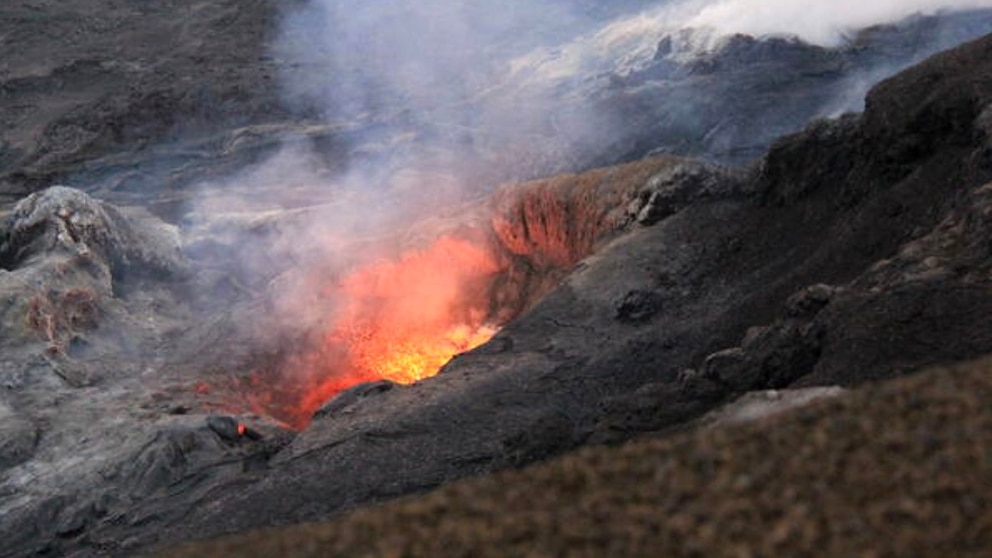
One of the most active volcanoes in the world is living up to its reputation as it gears up for another eruption.
An eruption at Hawaii's Kilauea volcano is imminent, based on current activity, according to the U.S. Geological Survey. Lava fountains -- jets of lava that are sprayed into the air during an eruption -- are expected to begin flowing between Wednesday and Saturday.
Kilauea began to show signs of eruption on Monday, when deflation was recorded on two tiltmeters, instruments used to measure the tilting or rotation of a structure or the ground surface, according to the USGS.
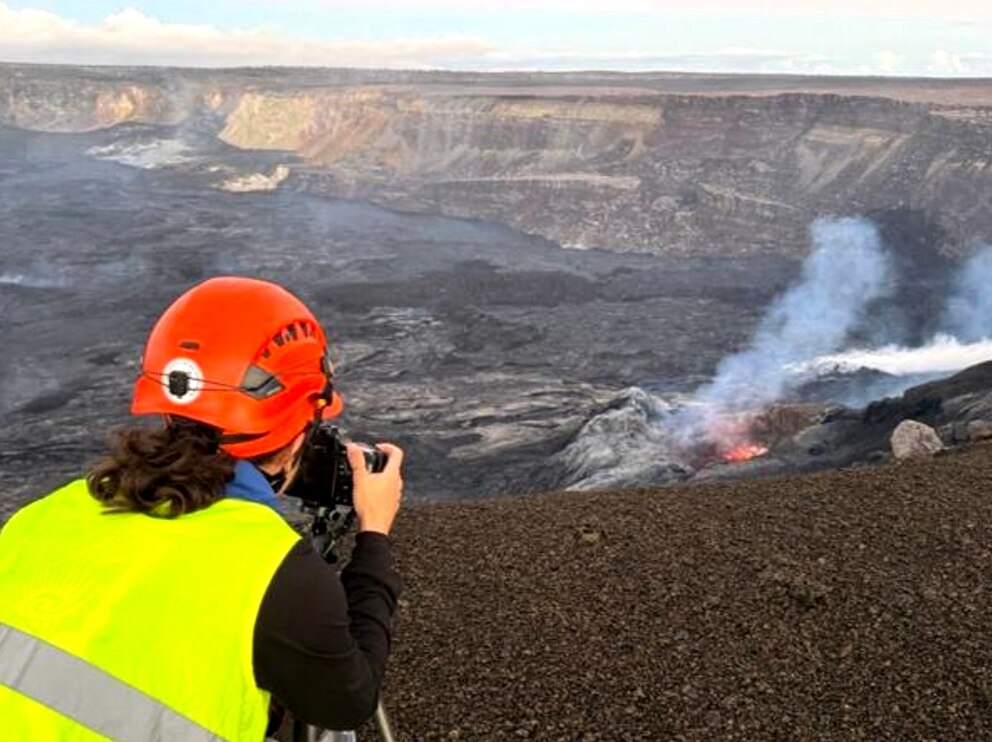
Continued tremors and what's known as "glow" at Kilauea indicate that magma remains relatively high in the north vent of the volcano, according to the USGS. In addition, "elevated degassing continues from the vent."
"The onset and persistence of glow suggest that magma is close to the surface," the USGS said in its latest update.
The current volcano alert level is at "Watch" or "Orange" level, indicating heightened or escalating unrest and an increased potential for eruption, according to the USGS.
Once the eruption begins, it will be the 31st time Kilauea has erupted since December. In some of the eruptions, lava was seen shooting up to 1,000 feet from the volcano's vent.
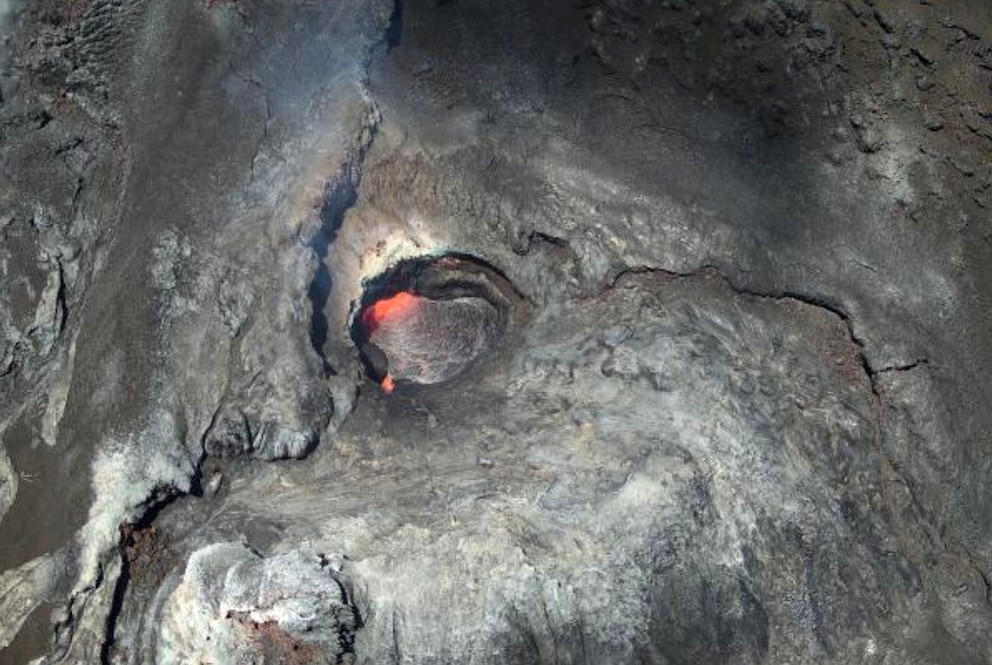
Magma has been using the same pathway to gather in a chamber under the Halemaumau Crater since Dec. 23, making the eruptions "intermittently active" within the crater, according to the USGS.
The last eruption ended on Aug. 6 after 12 hours of continuous fountaining, according to the USGS. Lava fountains reached up to 165 feet and covered 80% of the crater floor.
The eruption was characterized by episodic lava fountaining not seen since the 1980s, according to the USGS.
Kilauea has erupted dozens of times since 1952. Eruptive activity was nearly continuous along the volcano's East Rift Zone between 1983 and 2018.
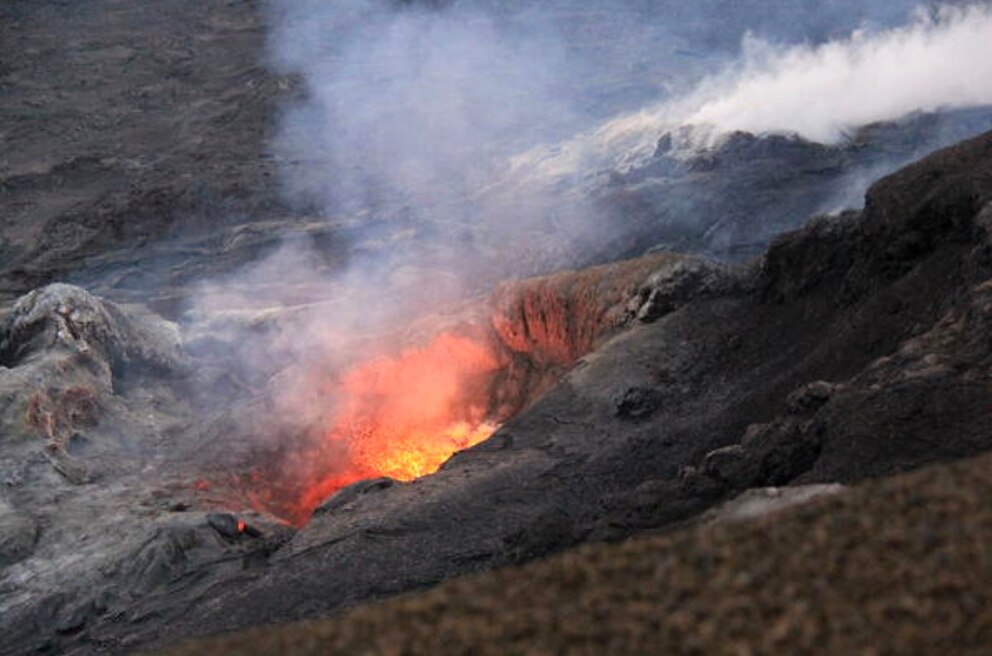
High levels of volcanic gas -- including water vapor, carbon dioxide and sulfur dioxide -- is a major hazard of concern.
Strands of volcanic glass known as "Pele's hair", are present throughout the summit area of Hawaiʻi Volcanoes National Park and can spread by wind, even after fountaining has ended, according to the USGS.
Kilauea's caldera rim surrounding the Halemaʻumaʻu crater has been closed to the public since 2007 due to such hazards.