Shein launches investigation after using likeness of Luigi Mangione to model clothing
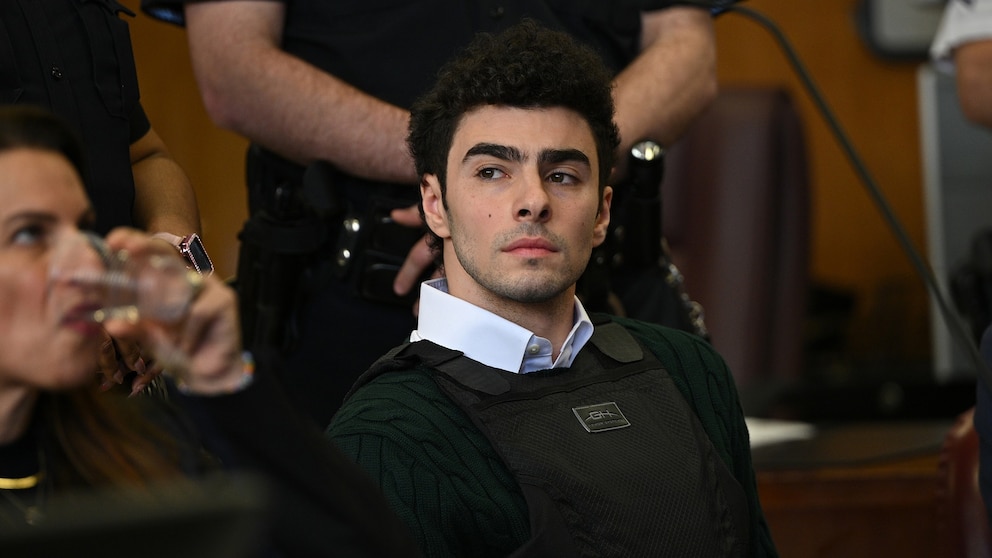
Fast fashion giant Shein is conducting an investigation of its internal processes after using the likeness of Luigi Mangione to model clothing.
The company has since taken down the image of Mangione -- who is accused of carrying out the assassination-style killing of UnitedHealthcare CEO Brian Thompson last year -- and vowed to review their monitoring processes.
"The image in question was provided by a third-party vendor and was removed immediately upon discovery. We have stringent standards for all listings on our platform. We are conducting a thorough investigation, strengthening our monitoring processes, and will take appropriate action against the vendor in line with our policies," a Shein spokesperson said in a statement to ABC News.
In an archived page from Shein's website, an image of Mangione's likeness was used to advertise a patterned short-sleeve shirt that retailed for about $10.
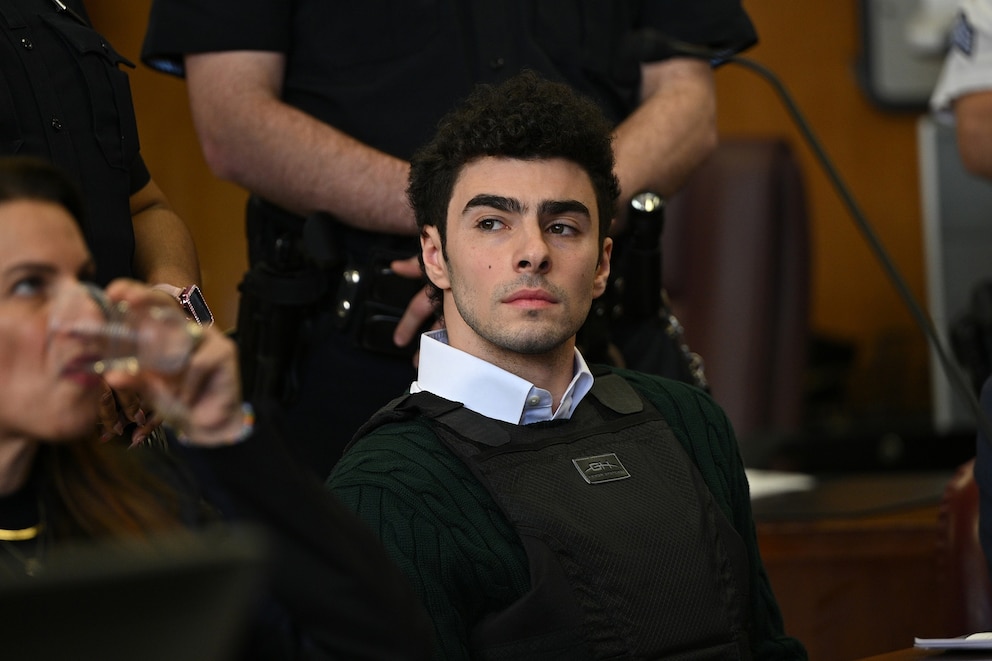
The exact origin of the image and how long it was used by Chinese e-commerce giant is unclear. A Shein spokesperson said the image was provided by a "third party vendor," who they plan to take "appropriate action against."
An analysis of the image conducted by ABC News could not conclusively determine if artificial intelligence was used to generate the image.
Mangione has pleaded not guilty to charges that he murdered Thompson on a Midtown Manhattan Street in December. Prosecutors are seeking the death penalty if Mangione is convicted. His trial date has not been set.
Prosecutors at the United States Attorney's Office for the Southern District of New York declined to comment about the image.
Jen Golbeck, a University of Maryland professor whose research focuses on artificial intelligence and social media, told ABC News that Shein's photo appears to be a hybrid of Luigi Mangione photoshopped to an AI-generated body.
Golbeck said that there are often small details that can indicate whether something has been AI-generated. In this photo, she said, some features -- like his hand, fingers, and arm hair -- appear to be clear signs that the image was partially generated with AI.
"In this photo, he's kind of got his hand up, kind of behind his head, on his neck, and the hand looks really weird. It sort of looks like a claw hand, where there's like an undifferentiated blob of fingers on one hand. You can't really see the separation there, so it looks pretty unnatural," she said.
However, other signs suggest the photo was created using old-school techniques, such as superimposing one image on top of another, according to Golbeck. She noted that Mangione's face appears to be an "exact match" and was potentially lifted from a photo of the alleged murderer, then imposed on an AI-generated body.
The use of Mangione's image appears to be one of the more extreme examples of using AI to create advertising, as the practice becomes more common.
Popular clothing store J. Crew recently faced criticism for appearing to use AI-generated models in promotional material. The company said in a statement that they were "exploring new forms of creative expression."
Last year, Coca-Cola released a Christmas ad created entirely using AI, sparking criticism from some customers about the authenticity of seemingly ordinary advertising.