Shifting rules and deadlines making student loan scams more prevalent
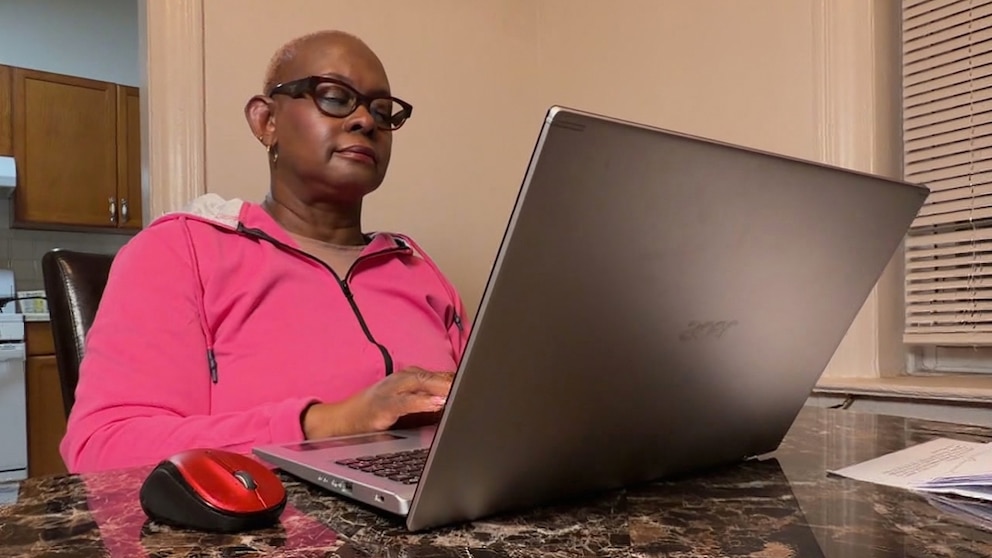
Denise Gaston thought she was finally getting relief from her student loans.
An unsolicited call from someone promising to lower her monthly payments set that hope in motion. After months of conversations, she sent nearly $4,000 for what she believed were legitimate services affiliated with the U.S. Department of Education.
The relief never came. The money was never returned.
The consequences were severe. Gaston said she fell behind on rent. Her electricity and gas bills were delayed. Her cellphone service was cut off. She reduced her grocery spending.
"It cost me tremendously," Gaston, a public school teacher in New York City, said in an interview with ABC News. "I was cheated and robbed."
To make ends meet, she even downsized and moved in with a roommate.
For more than a decade, Gaston has been steadily paying down her student debt. She still has years to go. A graduate of Howard University in Washington, D.C., she earned multiple master's degrees -- including one in library and information science from Pratt Institute and another in education and special education -- building a career that has spanned corporate finance, publishing and now teaching.

Gaston said she was persuaded by what appeared to be official federal government paperwork, references and her existing loan information, and assurances that the program had "achieved so much for so many people."
"It sounded like something that really, you know, makes sense," she said. "You really want to get this heavy load off of your shoulders of student debt."
Gaston's experience is all too common. ABC News has spoken to multiple borrowers who describe similar experiences: scammers promising quick loan forgiveness, demands for upfront payment and then disappearing with the money.
Cybersecurity experts tell ABC News these types of scams are becoming more prevalent, in part due to uncertainty over federal student loan programs.
As the Trump administration winds down major student loan forgiveness programs under the Working Families Tax Cuts Act, borrowers face shifting rules and deadlines this year, making them more vulnerable to predatory offers.
"These scams are increasing significantly," said Cliff Steinhauer, director of information security at the National Cybersecurity Alliance. "We're seeing a lot more of them and a lot more losses, as scammers catch on to the confusion around student loans and forgiveness."
Federal officials stress that borrowers should never pay for help with loan forgiveness. Instead, they should contact studentaid.gov and report suspected scams to the Federal Trade Commission.
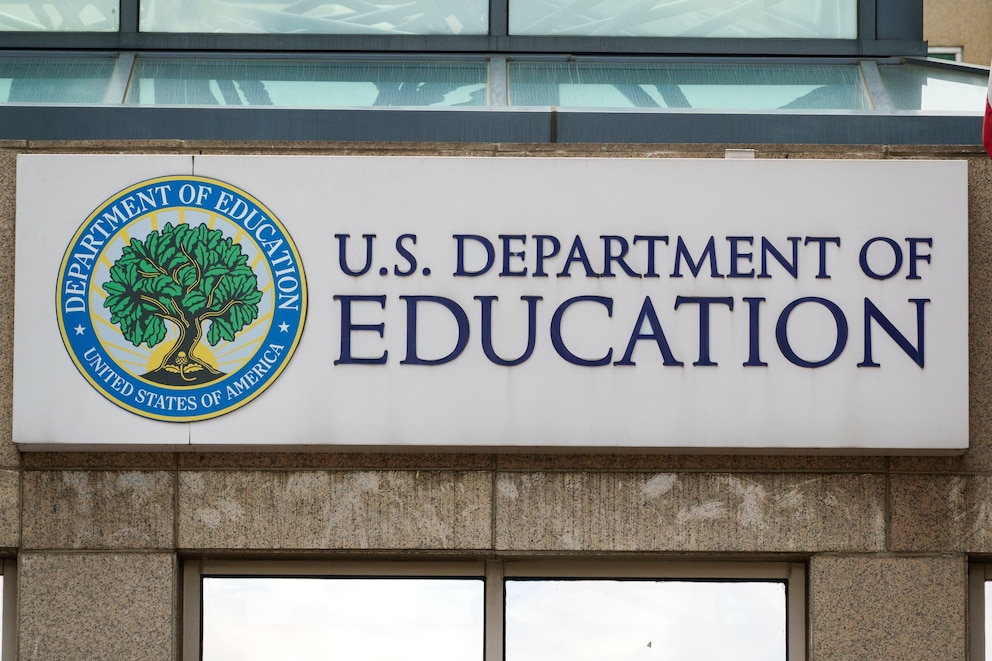
But Nicholas Kent, the agency's under secretary of education, emphasized that even with the winnowing of the department, it's putting more resources than ever into combating fraud.
"We are keeping our limited resources in the Office of Federal Student Aid focused on students, borrowers and families," Kent said.
"But borrowers need to be vigilant and understanding that there are criminals out there that are trying to take advantage of really vulnerable students," he added.
For Gaston, the lesson has been painful. Despite advanced degrees and years of professional experience, she said she was caught at a moment of vulnerability -- hopeful that a long financial burden might finally be eased.
Instead, it grew heavier.