Small sample of Texas floodwater contains concerning levels of E. coli bacteria, expert says
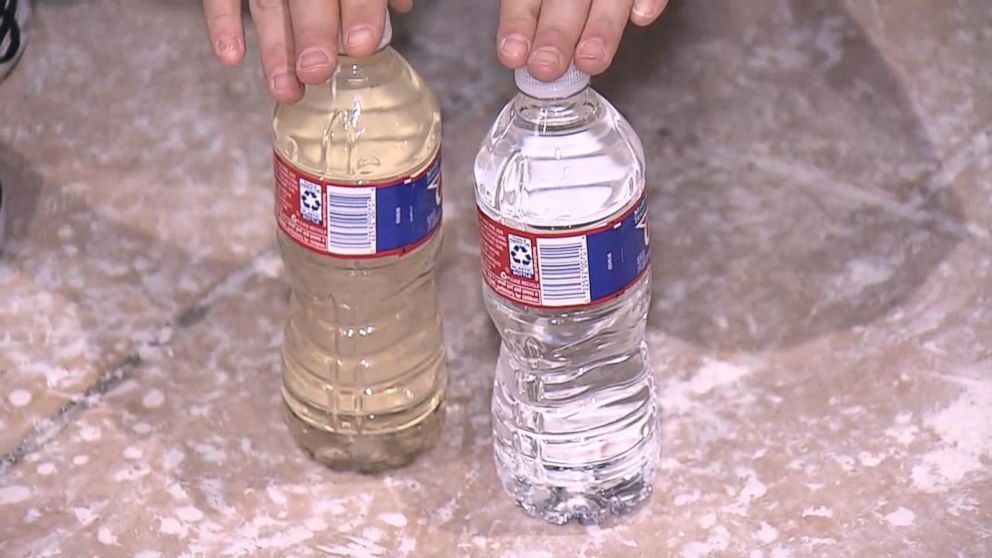
— -- As many parts of southeastern Texas have been inundated with brown murky floodwater left behind by Hurricane Harvey -- now a tropical depression -- experts are warning residents and rescuers about the possible health risks lurking within the deluge of water.
Dr. Terry Gentry, an associate professor at Texas A&M University, examined small samples of both drinking water and floodwater from Cypress, Texas--a community just outside of Houston--at the university's microbiology lab. While the results of the lab tests revealed that the drinking water was safe, Gentry found that the levels of E. coli and coliform bacteria in the floodwater samples raised cause for concern.
"We saw elevated levels of E. coli," Gentry told ABC News. "This indicates the very likely presence of pathogenic bacteria viruses and other organisms that could cause disease in some individuals."
The E. coli figures Gentry found in the floodwater samples were more than 125 times the amount that the U.S. Environmental Protection Agency recommends being exposed to while swimming, and more than 15 times higher than their standard set for wading within water.
The Harris County Department of Health told ABC News in a statement that "the results in the report would be exactly as we would expect," adding that with the flooding, "the waters in the streets can easily be overrun and contaminated with sewage, trash, and displaced animals, making it dangerous and unsafe."
Dr. Susan Whittier, an associate professor at Columbia University in New York City, told ABC News that rescuers and residents exposed to the floodwaters should be cautious, especially if they had open wounds.
Whittier also advised people to try and stay "clean as much as possible."
Although Whittier recommends disposing of clothing that was exposed to floodwater, the U.S. Center for Disease Control and Prevention says on its website that if you wish to keep clothing contaminated with floodwater it should be washed--separately from uncontaminated clothing--with hot water and detergent.