What to know about South Pars, the largest natural gas field in the world and lifeline for Iran, after Israeli strike
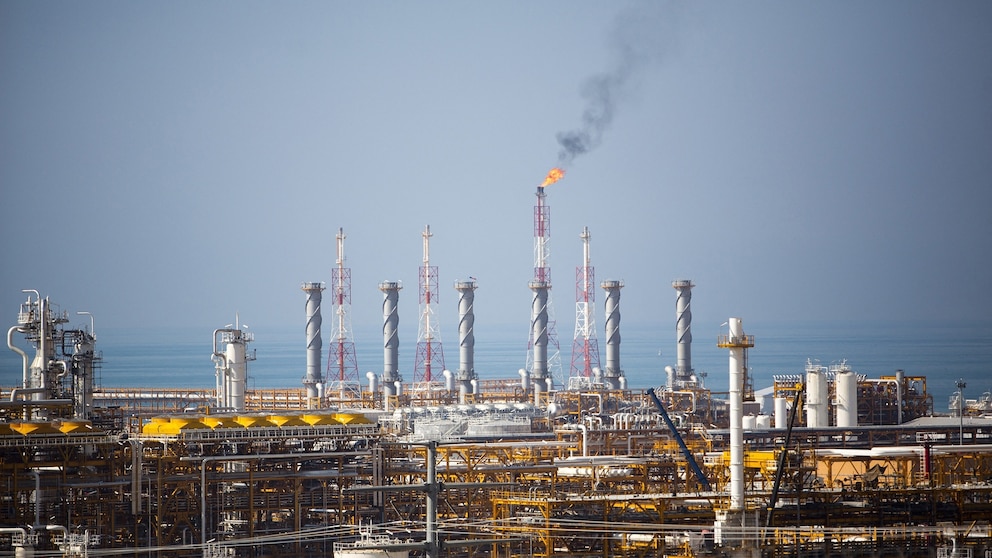
Israel's strike on the world's largest natural gas field could severely impact Iran's energy sector and several nearby Gulf states, energy experts told ABC News.
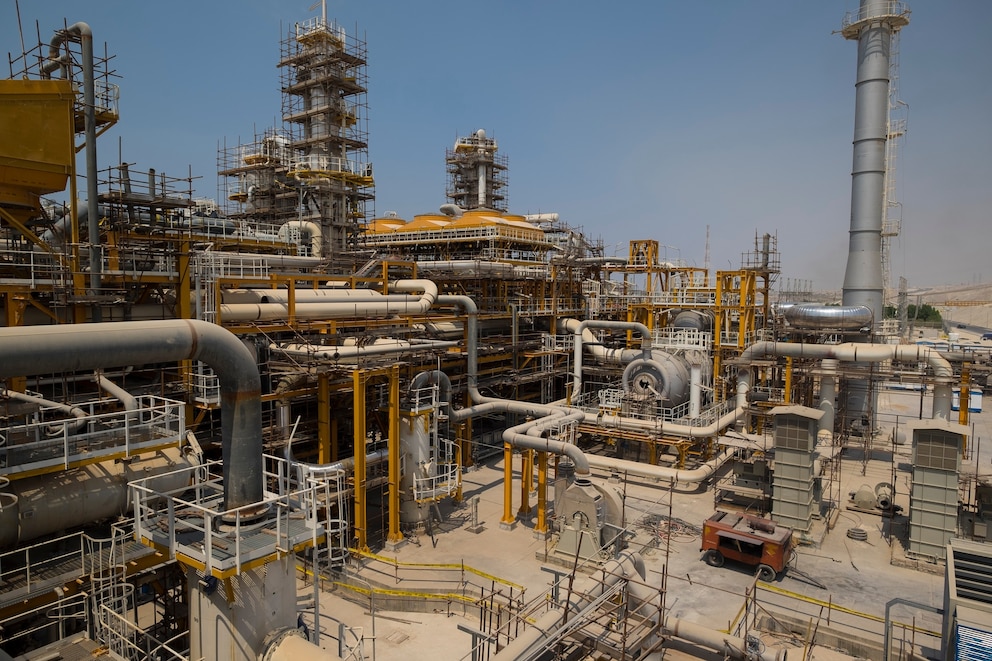
On Wednesday, Israel launched air strikes on South Pars, a natural gas field that covers about 3,700 square miles and serves as a vital source of fuel for Iran. It is located offshore in the Persian Gulf and contains about 1,800 trillion cubic feet of usable gas, according to the U.S. Energy Information Administration.
South Pars accounts for about 70% of the gas Iran consumes, Ira Joseph, a senior research associate at the Center on Global Energy Policy at Columbia University, told ABC News.
David G. Victor, a professor of innovation and public policy at the University of California at San Diego, agreed on the importance of South Pars to Iran.
"It's the single most important natural gas field to Iran," he told ABC News. "If you start tanking the Iranian economy, eventually, other parts of that infrastructure are going to start falling apart too."
South Pars is part of a giant gas field that transverses to other nations -- another section, the North Dome, is part of the same natural gas field but lies in Qatari territorial waters.
Combined, South Pars and the North Field account for about 10% of the gas traded in the world and about 20% of the world's liquified natural gas (LNG) annual exports, Joseph noted.
Iran also exports gas into Turkey, Iraq and Central Asia -- so those exports have been disrupted by the war, according to Joseph. Turkey acquires up to 15% of its gas from Iran, he added.
The U.S. is relatively insulated from natural gas price shocks due to the strikes on Iran's gas fields because the U.S. is a big producer and doesn't have enough export capacity to fully link itself to Asian and European markets, Catherine Wolfram, a professor of energy economics at the Massachusetts Institute of Technology, told ABC News.
Countries like Japan, Korea and the Europeans who are dependent on imports will take a big hit to their supply as a result of the attack on South Pars, she said.
But the impacts of the strikes on the South Pars field extend "far beyond" energy prices, Naho Mirumachi, a professor of environmental politics at King's College in London, told ABC News.
The current volatility of gas production can have "serious" impacts on agriculture and the global production of food, especially since natural gas is vital for fertilizer production, she noted. Fertilizer shortages or higher prices of fertilizer will likely translate to increases in food costs, according to Mirumachi.
"Food production cannot wait for gas production to return to normal, so farmers and businesses could face declining crop yields," she said.
There has never been an attack of this magnitude on South Pars field because of a historical understanding within the region to not disrupt or inhibit each other's vital infrastructure, according to the University of California's Victor.
"There had been a kind of norm that exists in many wars, which is, don't attack each other's vital infrastructure," he said. "Both sides had an interest in not obliterating each other's energy infrastructure and then causing this enormous harm in the global market."
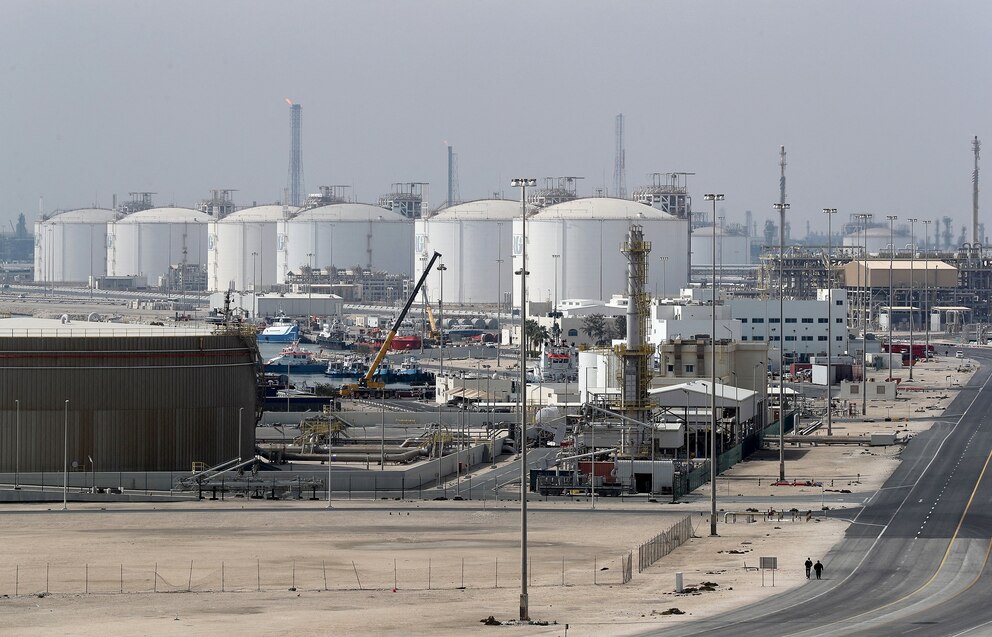
The strike on South Pars triggered an escalation of attacks on oil and gas facilities in the region.
Iran launched a series of retaliatory strikes against the vital energy infrastructure in nearby Gulf states. It issued evacuation orders for several energy assets in Qatar, Saudi Arabia and the United Arab Emirates, before hitting the world's largest LNG terminal -- an import and export facility -- at Ras Laffan in Qatar.
"Targeting energy infrastructure constitutes a threat to global energy security, as well as to the peoples of the region & its environment," a spokesperson for the Qatari Ministry of Foreign Affairs wrote in a post on X on Wednesday.
In a social media post late Wednesday, President Donald Trump said neither the U.S. nor Qatar was aware Israel would attack the South Pars Gas Field, calling for Israel to not do so again unless Iran continues attacking Qatar's LNG facilities.
"NO MORE ATTACKS WILL BE MADE BY ISRAEL pertaining to this extremely important and valuable South Pars Field unless Iran unwisely decides to attack a very innocent, in this case, Qatar," Trump said.
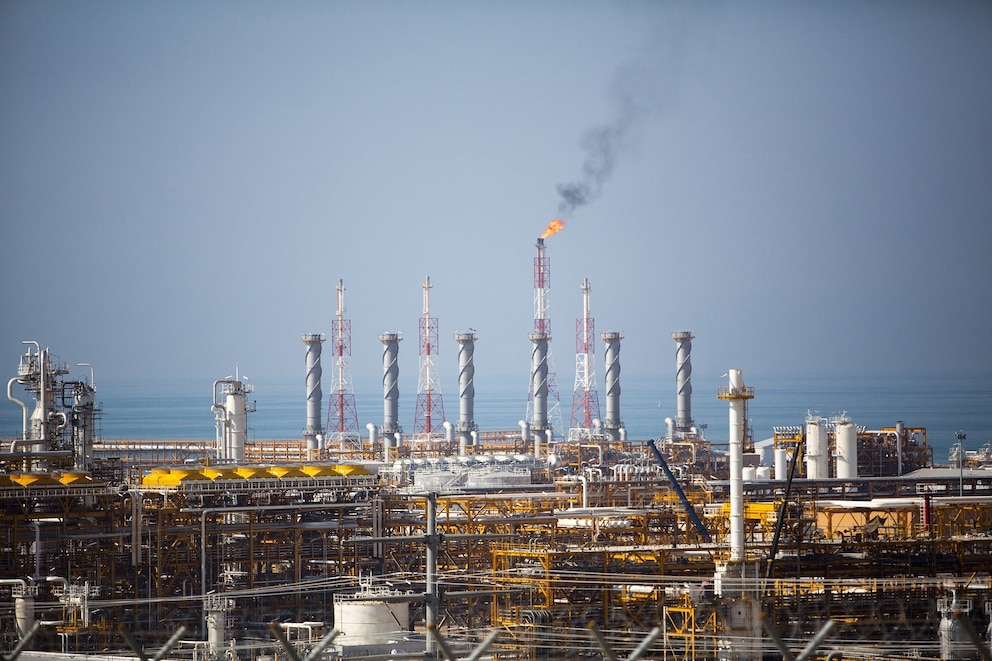
Iran warned that it would target energy facilities throughout the region.
The attacks on energy centers began on March 7, with Israeli air strikes on major Iranian oil storage facilities causing "black rain" to fall on the Tehran, Iran's capital with nearly 10 million residents. The Israeli military said the facilities were struck because they were "used by the Military Forces of the Iranian Terror Regime in Tehran."
On March 11, the International Energy Agency announced it would release 400 million barrels of oil from its strategic reserve -- the largest-ever release of reserve oil in the group's history -- in response to the blockade on the Strait of Hormuz. A fifth of the global oil supply passes through the waterway, which lies between the Persian Gulf and the Gulf of Oman.
The U.S. also executed a strike on Kharg Island on March 13. The small island is situated in the Persian Gulf, off the southwestern coast of Iran, and processes 90% of Iranian oil exports.
Every military target on Kharg Island was "obliterated," Trump said in a social media post. But its oil infrastructure was left intact.
The conflict has sent energy prices soaring, with Brent crude -- the international standard for oil -- peaking at $119 per barrel on Thursday morning.