Southwest experiencing driest conditions in at least 1,200 years due to climate change, new study finds
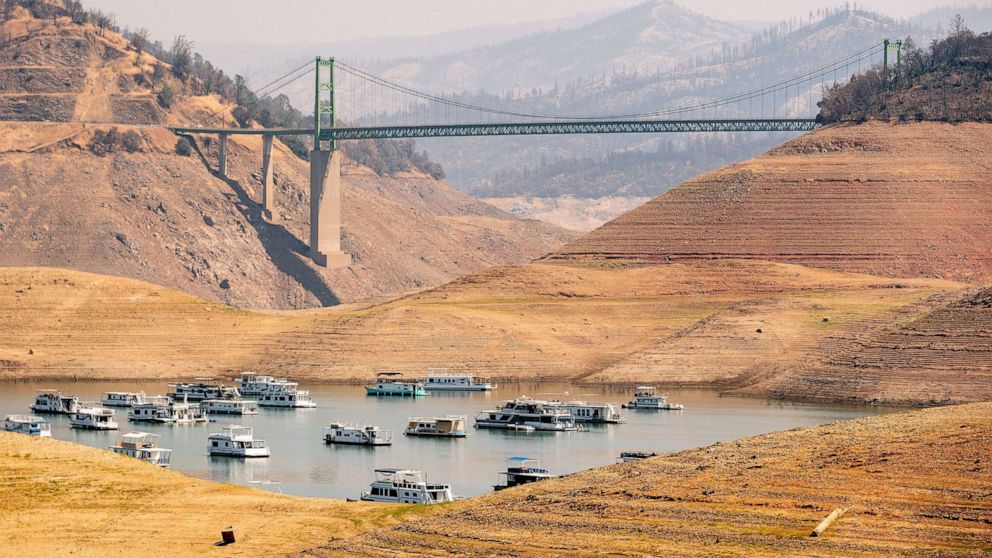
The megadrought that has been plaguing the Southwestern U.S. for at least two decades is causing the region to experience its driest conditions in 1,200 years, according to new research.
Researchers analyzed tree ring patterns, which provide insights about soil moisture levels over long timespans, and found that the current megadrought has exceeded the severity of one experienced in the late 1500s and is the driest since the year AD 800, according to a new study published in Nature Climate Change on Monday. The study area included southern Montana to northern Mexico and from the Pacific Ocean to the Rocky Mountains.
Since 2000, the average soil moisture deficit was twice as severe as any drought of the 1900s and greater than it was during even the driest parts of the most severe megadroughts of the past 12 centuries.The findings were confirmed with comparisons to historical climate data.
The term "megadrought" is used to describe a severe and intense drought that spans a couple of decades, according to the National Oceanic and Atmospheric Administration.
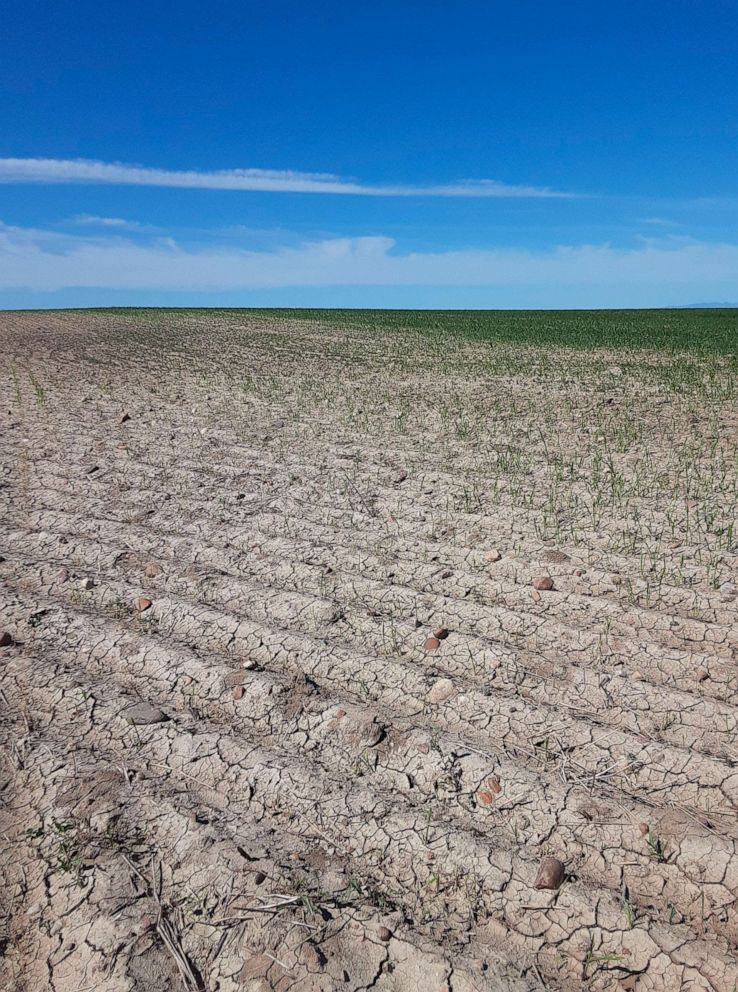
Human-caused climate change is responsible for about 42% of the soil moisture deficit since 2000, according to the study. While researchers discovered that megadroughts occurred repeatedly in the region from AD 800 to 1600, existing climate models have shown that the current drought would have been dry even without climate change -- but not to the same extent.
High temperatures and low precipitation levels from summer 2020 through summer 2021 have exacerbated the already concerning conditions and it will take multiple wet years to remediate their effects, Park Williams, a geographer at the University of California Los Angeles and author of the study, said in a statement.
"It's extremely unlikely that this drought can be ended in one wet year," Williams said.
From 2000 to 2021, temperatures in the region were about 1.64 degrees Fahrenheit higher than the average from 1950 to 1999, according to the study.
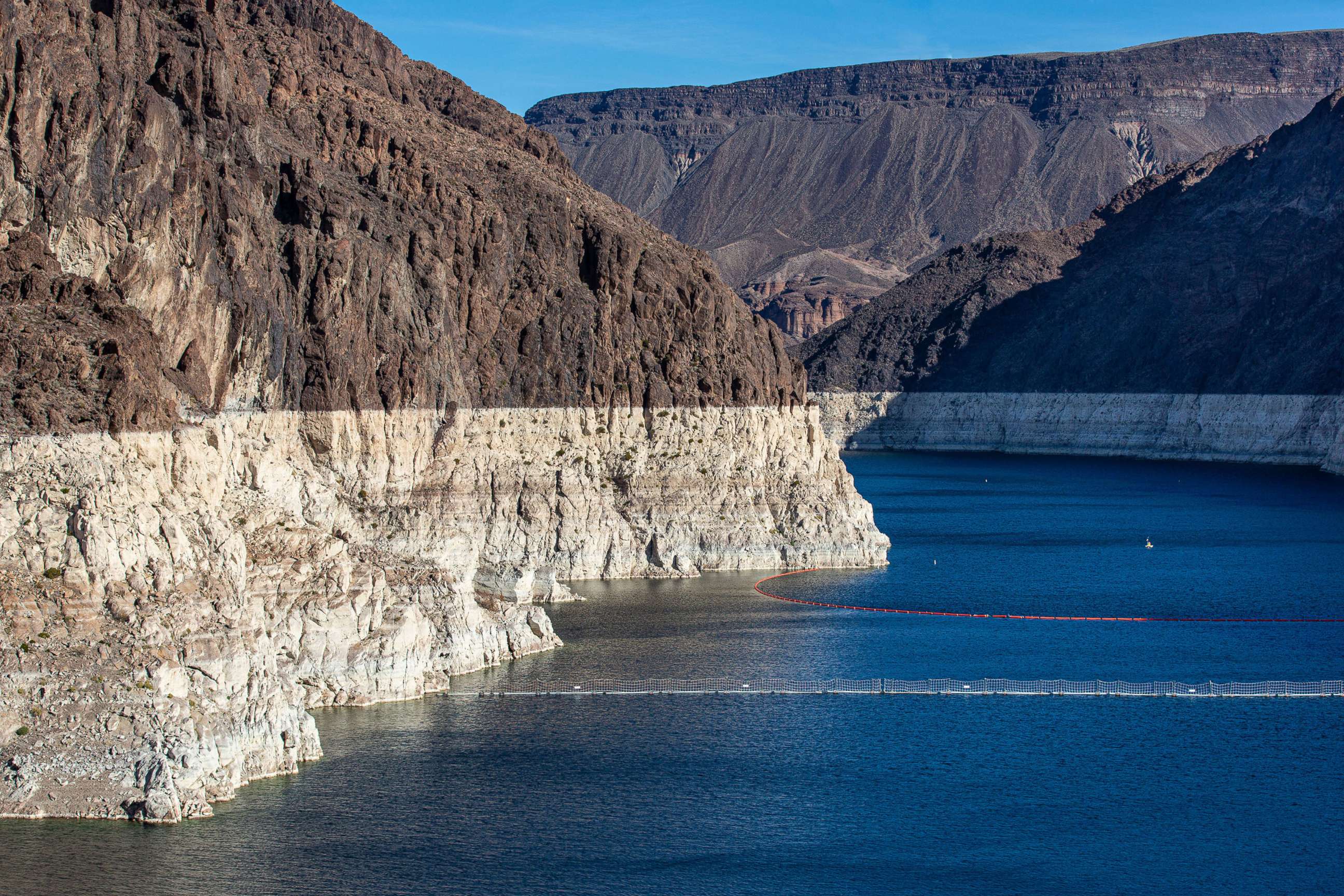
As of Thursday, nearly 95% of the Western U.S. was experiencing drought conditions, according to the U.S. Drought Monitor. Last summer, Lake Mead and Lake Powell experienced their lowest water levels on record, according to the U.S. Bureau of Reclamation.
"Essentially, half of the severity of the ongoing megadrought has been attributed to warming temperatures alone, and without that warming, the drought would arguably not be a megadrought at all," UCLA climate scientist Daniel Swain told ABC News in June.
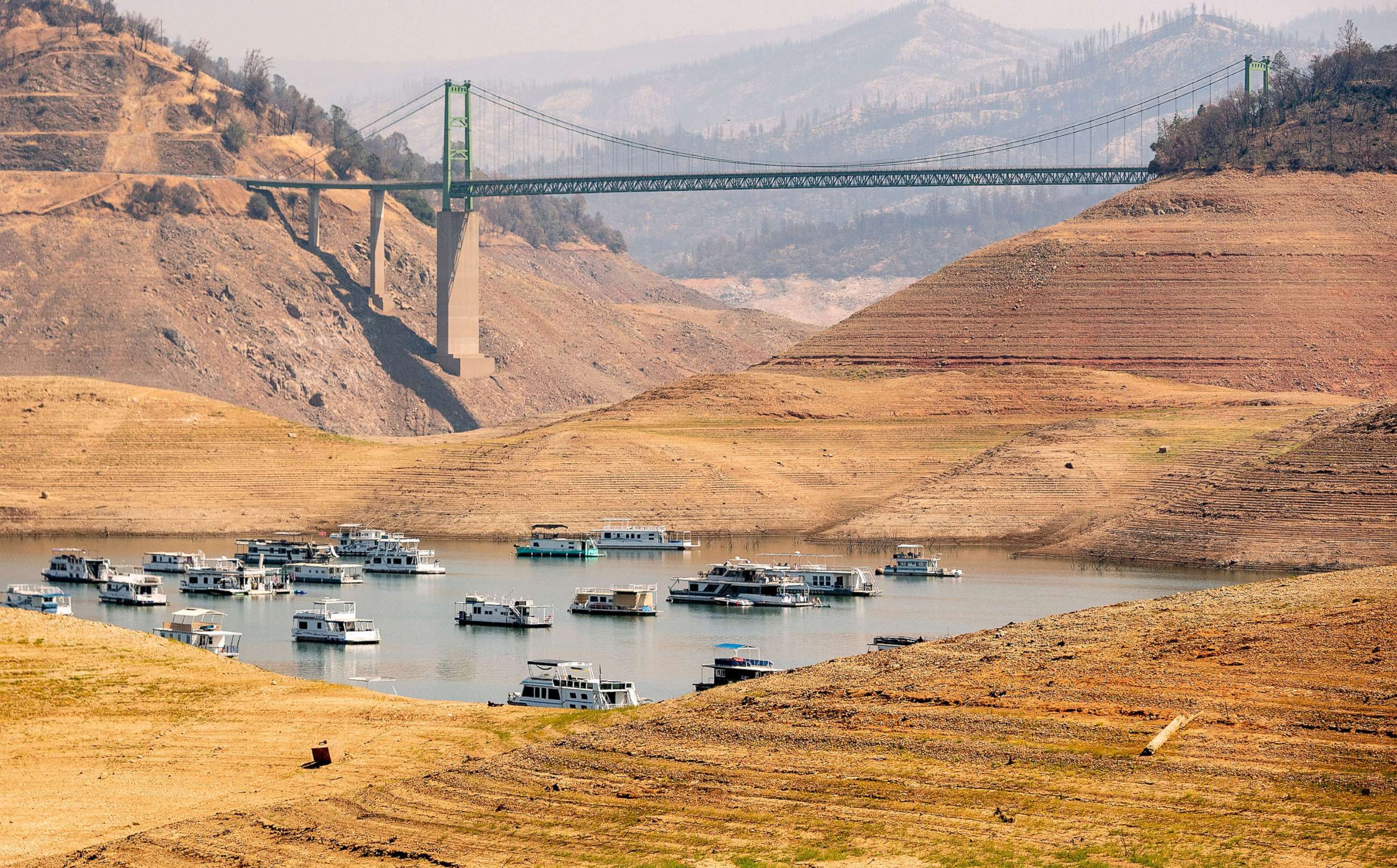
In an effort to promote water conservation, federal officials cut water allocations to several southwestern states in August in response to low water levels in the Colorado River. In October, California Gov. Gavin Newson declared a drought emergency and asked Californians to voluntarily decrease their water usage by 15%.
ABC News' Bonnie Mclean contributed to this report.