SpaceX calls off 1st Starship test flight since going public due to startup issue with engines
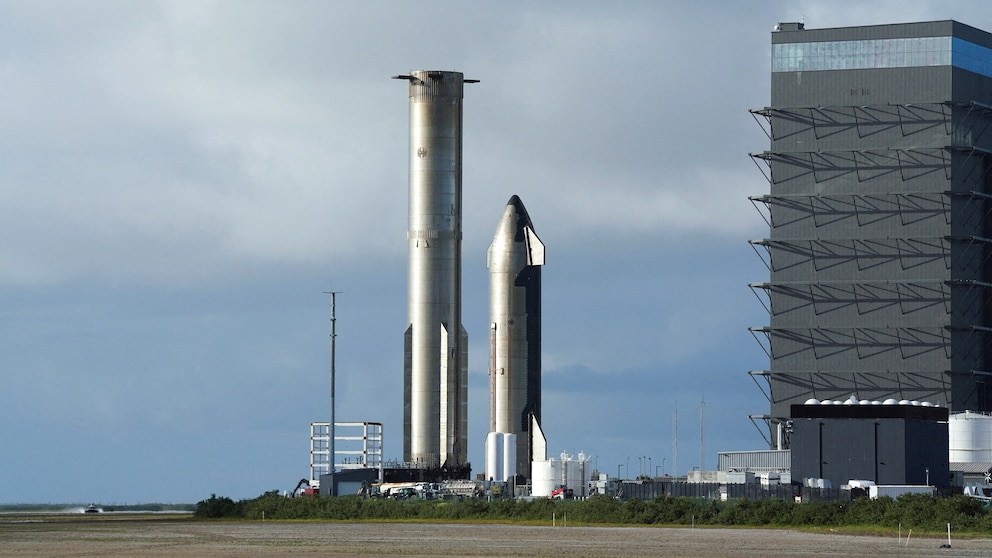
SpaceX's Starship launch on Thursday was scrubbed after its engines shut down during ignition. It was set to be SpaceX's first launch since it became a publicly traded company in June.
The company is working to identify the cause. Elon Musk said on X after the launch was halted that the next attempt would be "hopefully in a few days."
"Some of the engines didn’t start, triggering an automatic launch abort. Now offloading propellant. Next launch attempt hopefully in a few days," he wrote.
The flight, which was set to launch from SpaceX's Starbase facility in Cameron County, Texas, would be the 13th for the Starship program and the second flight of Version 3 of the spacecraft and Super Heavy booster.
A lot is riding on the success of SpaceX's Starship program. NASA wants to use a lunar lander version of the spacecraft to put astronauts on the lunar surface and plans to begin testing it as early as next year during the Artemis III mission. And SpaceX is counting on Starship to rapidly build out its Starlink network, develop data centers in space, and eventually take people to Mars.
And since the company went public, any potential problems with the mission could not only delay the company’s ambitious timeline for Starship but also impact its stock price.
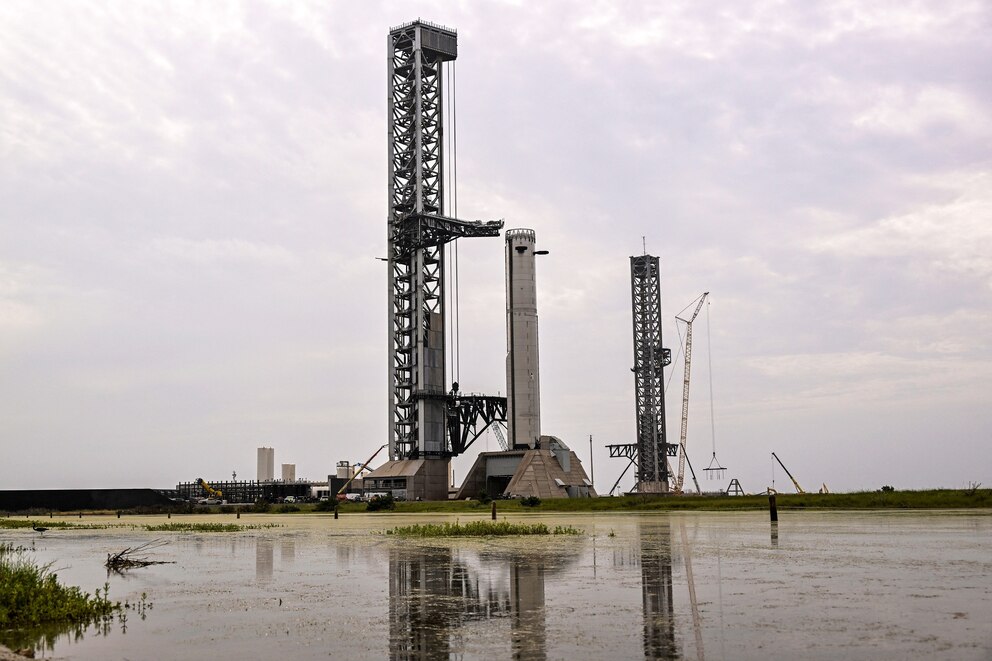
In a company video about Starship's development released before flight test 12, Charlie Cox, the director of Starship Engineering, said the latest version has been completely redesigned.
"This rocket is unlike anything anybody's ever done before. Version 3 is basically a clean-sheet design of the ship. We essentially took a bunch of lessons from version one, version two, and we took a step back and said, what were the things that were really problematic, either from a performance perspective or from a reliability perspective on the previous rockets and then we directly address those with a variety of new designs," Cox said.
Bill Riley, the vice president of Starship Engineering at SpaceX, called Version 3 “the foundational design” and explained that it gives the company the "new capabilities we need to do the missions in front of us. It'll be the one that puts humans back on the moon. It'll be the ones that put the first boot prints and then city on Mars."
Flight test 12 was the first time SpaceX flew the new versions of the rocket and spacecraft. While the company considered it a successful mission, it wasn’t perfect. The Super Heavy booster failed to perform as anticipated, suffering propulsion problems during its boostback burn, resulting in a hard splashdown in the Gulf and triggering an FAA mishap investigation. The agency has since closed that investigation and cleared Thursday's launch after accepting the findings of a SpaceX-led review. The company says it has implemented fixes following flight test 12 to avoid the same problems this time.
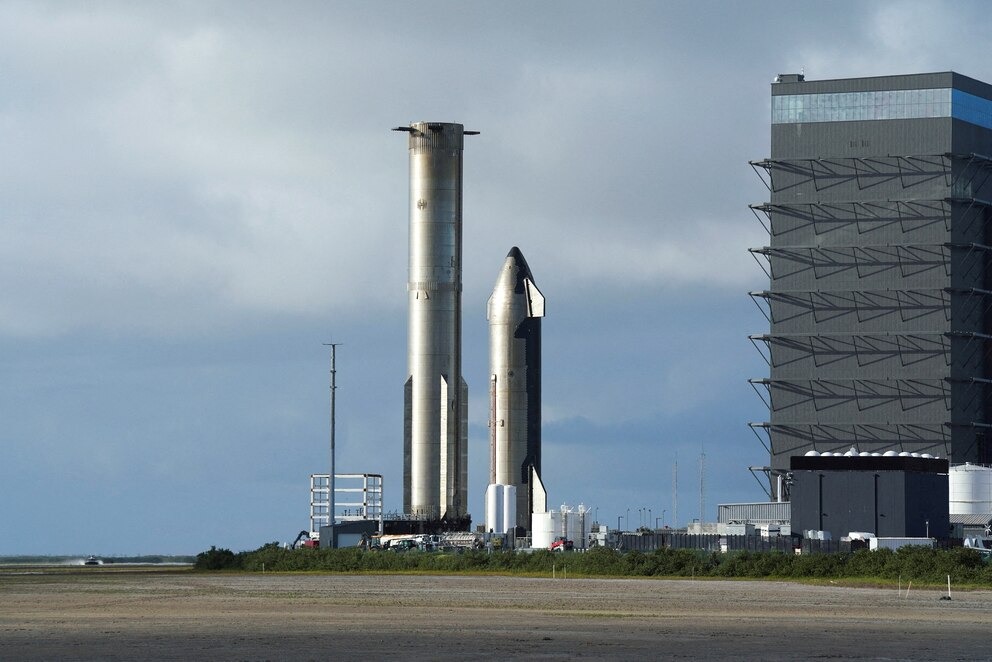
The Starship spacecraft also lost one of its Raptor engines but still reached its planned suborbital trajectory. This led to the cancellation of an attempt to relight one of the vehicle's engines while in space, an essential step before Starship can reach orbit and deploy operational Starlink satellites. During this upcoming flight, the company will try again to relight the engine as well as deploy 20 functional next-generation Starlink satellites.
Like the last mission, flight test 13 will not attempt to reach orbit, but will remain suborbital as the spacecraft travels from its home in Texas over the Gulf, past the Caribbean and then across the Atlantic to a splashdown in the Indian Ocean. The booster will splash down in the Gulf.