What to know about the SPACs craze and why it’s concerning economists

SPACs have become the biggest buzzword on Wall Street, and their explosion in popularity has even seeped into Main Street as stories of individual investors striking it rich by "getting in on the ground floor" spread on Reddit and TikTok.
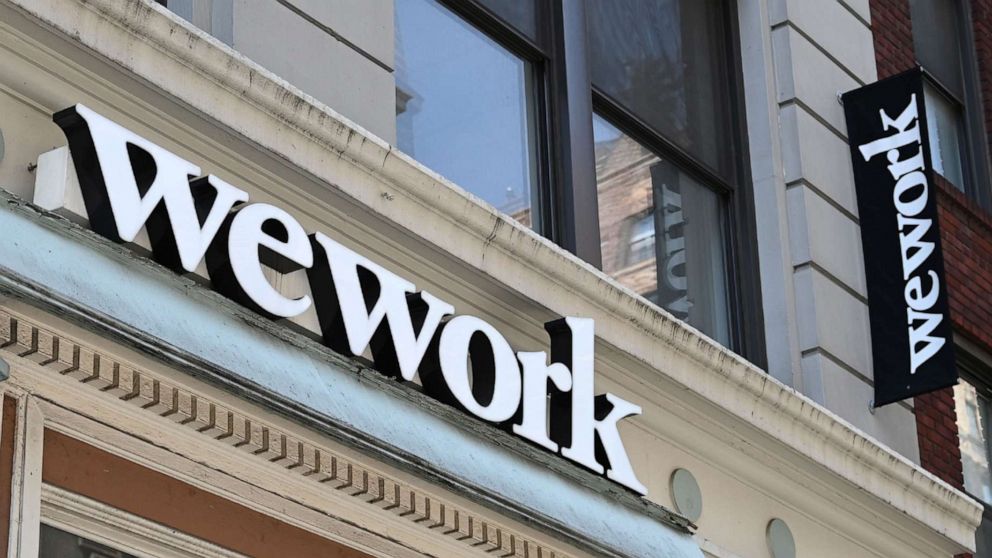
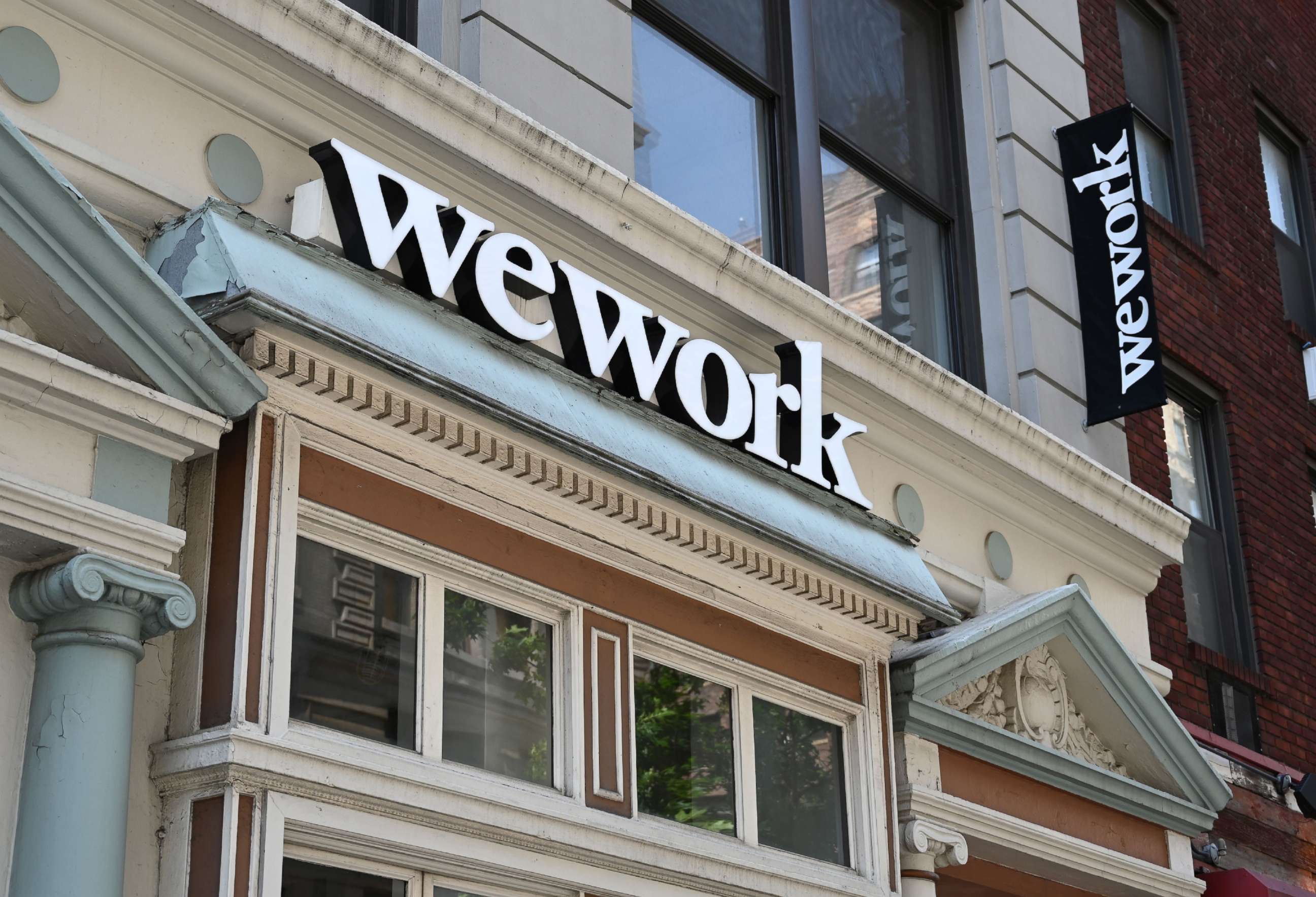
The co-working chain WeWork announced last Friday that it was going to go public via a special purpose acquisition company (SPAC), some two years after its initial attempt to become a publicly traded company fizzled as its valuation and financials came under immense scrutiny after it filed its paperwork.
More than half of companies that went public in 2020 did so through a SPAC, according to a PricewaterhouseCoopers analysis. Investing celebrities, such as Bill Ackman and Chamath Palihapitiya, have fanned the flames of the SPAC boom, but so have Hollywood celebrities, such as Ciara and Shaquille O'Neal.
Andrew Ross Sorkin, a New York Times financial columnist and author of "Too Big to Fail," even wrote in one of his recent columns that several financiers have told him: "I know more people who have a SPAC than have COVID."
The SPAC mania is still going strong, but it has raised new concerns about potential high risks to individual investors and even speculation of a possible bubble.
"If you take 2020, about 250 companies went public via SPACs," Haran Segram, a professor of finance at New York University's Stern School of Business, told ABC News. In 2021, he added, "We haven't even finished March yet, and nearly 300 companies have gone public via SPACs."
While Segram said he believes it's too soon to call it a bubble, he also said he is deeply concerned about risks to investors as the number of SPACs skyrockets.
"2020 was the biggest SPAC year since 2007," Segram said. "We all know what happened in 2008. I'm not sort of speculating anything, but this insatiable appetite for hyper-growth companies comes very close to market peaking -- that is one of my theories, it is not exactly proven science."
What are SPACs?
A SPAC -- or a special purpose acquisition company -- is, in essence, a shell company that does not have a business purpose, but rather has the goal of acquiring or merging with a business.
When SPACs merge or acquire a business, it essentially provides a backdoor route for these private firms to become publicly traded companies without having to go through the IPO or direct listing process.
"If you have a standard IPO process, it takes anywhere between eight to 10 months to go public, but with a SPAC you can go public faster," Segram said. "So you get around the regulatory framework, that is why I call it an arbitrage on regulation."
Before they find their so-called "target" company, SPACs typically charge $10 per share, a lucrative price that gives retail investors the opportunity to buy in.
Why are they so popular now?
SPACs have been around for decades, but in the past they have often been associated with scams.
"SPACs have been in existence since the 1980s, and that time it was associated with more fraudulent practices," Segram said, though he noted they have become more mainstream and accepted over the past year thanks to the backing of celebrity investors and Wall Street institutions.
Segram said he thinks market conditions have created that "insatiable appetite for hyper-growth," which has contributed to the SPAC boom, as people view them as a quicker way to invest in a private company.
Renee M. Jones, an associate dean for academic affairs and professor at Boston College Law School, told ABC News that the "perceived appeal of SPACs is the opportunity to invest in an early stage company, in an area of technology that's going to explode and grow rapidly."
"I think that's the appeal, to get in on the ground floor of a new technology," she added.
Jones was one of the primary consultants for a letter calling for policy changes around SPACs to better protect investors that was sent to the House Financial Services Committee last month by the advocacy group Americans For Financial Reform.
What are the concerns?
"The structure for SPACs is very complicated," Jones told ABC News. "And the compensation arrangements, especially, are very complex."
"They favor to a considerable degree, the interests of a SPAC sponsor -- an investment bank or the bankers who set up the SPACs," she added. "It's very difficult for the ordinary investor, who buys at the IPO and holds SPAC shares through a merger, to earn any returns or earn a return at all."
Jones also noted that the incentives of the sponsor to do its due diligence in vetting a potential target company "are fairly perverse." Because both the sponsor and the target company likely want the merger to happen for financial reasons, a sponsor company is "not really going to look to turn up problems," Jones said.
In addition to structural issues with SPACs, many are also raising concerns about oversaturation of the market.
Segram noted that just in the first three months of 2021, there have been more companies going public via SPAC than all of 2020.
"So what happens is when these SPACs are looking for target companies, they are going to be bidding up the prices, because everybody is trying to get a target company," he said. "Imagine the competition."
Segram worried that SPACs are soon going to overvalue companies, "and by the time retail investors like you and I get in, I feel there might be an inflation in price."
"That is my biggest concern," he said. "You're not going to get the right price as retail investors."
Jones said the one thing she wants retail investors to know about SPACs is that on average, "They perform very poorly post-merger."
"I think Congress and the SEC should look at the structure, look at the incentives, look at the reward ... and take appropriate steps," she said.