• Video
  • Shop
  • Culture
  • Family
  • Wellness
  • Food
  • Living
  • Style
  • Travel
  • News
  • Book Club
  • Newsletter
  • Privacy Policy
  • Your US State Privacy Rights
  • Children's Online Privacy Policy
  • Interest-Based Ads
  • Terms of Use
  • Do Not Sell My Info
  • Contact Us
  • © 2026 ABC News
  • News

Sperm whales quickly learned to avoid humans who were hunting them in the 19th century, scientists say
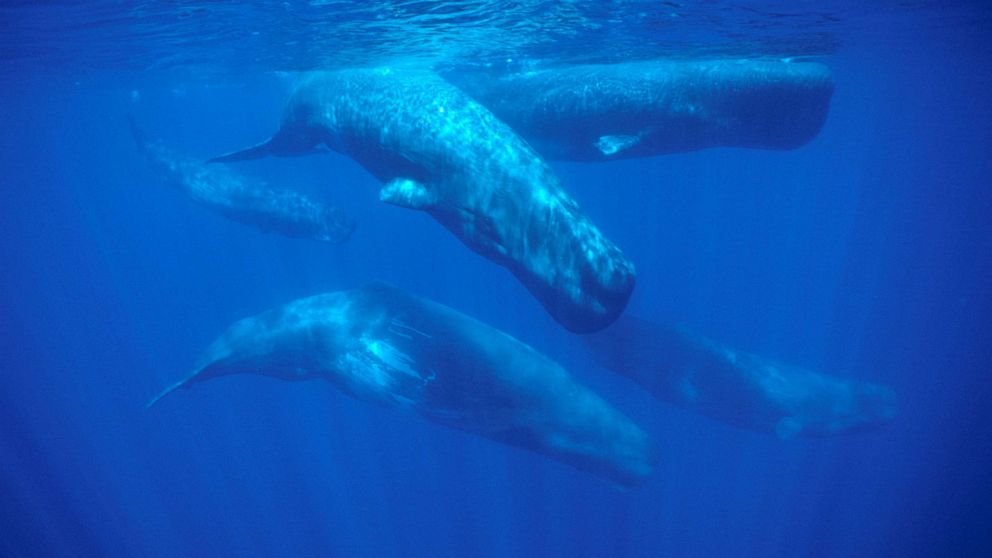
1:43
Italian coast guard spots sperm whales
UIG via Getty Images, FILE
ByJulia Jacobo
March 16, 2021, 11:03 PM

New research is shedding light on the social intelligence of marine mammals when under a threat of danger.

Sperm whales, which were hunted heavily in the North Pacific U.S. in the 19th century, quickly figured out how to avoid humans after the species underwent "rapid social learning" as a defense mechanism, according to a paper published in the Royal Society Journals on Tuesday.

Related Articles

MORE: 28 whales, 3 dolphins euthanized after mass stranding in New Zealand

Scientists believe that after the killings began, social units containing about 10 female sperm whales and their calves "quickly learned defense measures from one another," describing the learning as "an unusual instance of rapid and large-scale cultural change outside humans."
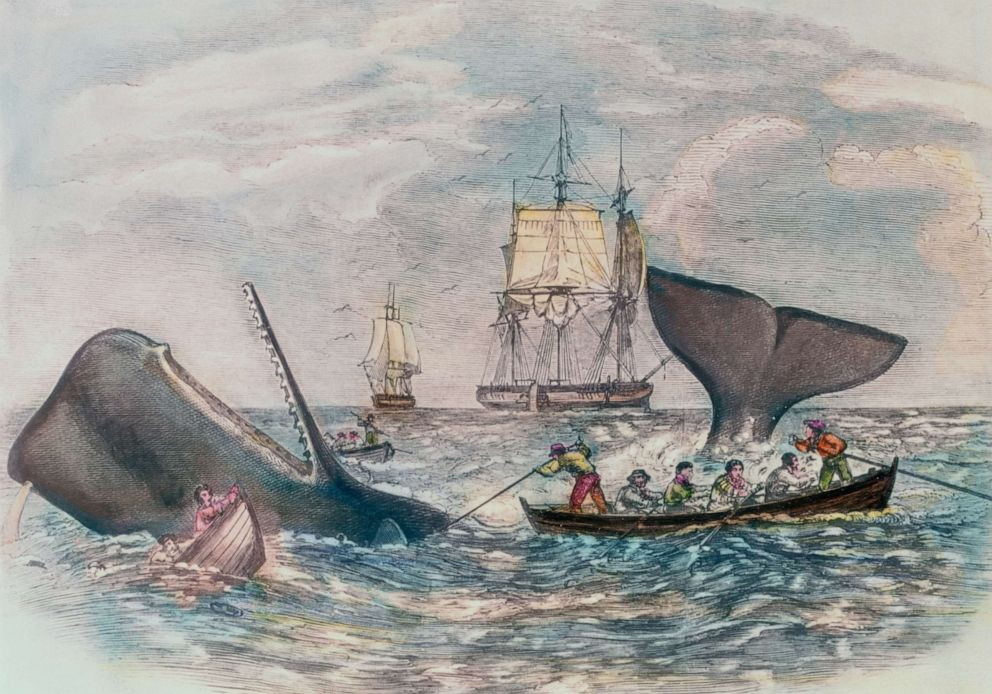
This hand tinted color woodcut by Duncal shows a sperm whale being hunted.
Getty Images

The harpooning of sperm whales was a major industry in the 1800s. After just a few years of their exploitation, sperm whale kills declined by about 58%, the researchers said, citing digitized whalers' logbooks.

Related Articles

MORE: Nearly 400 whales are dead in mass stranding off coast of Australia

"This decline cannot be explained by the earliest whalers being more competent, nor by the initial killing of particularly vulnerable individuals," according to the study.
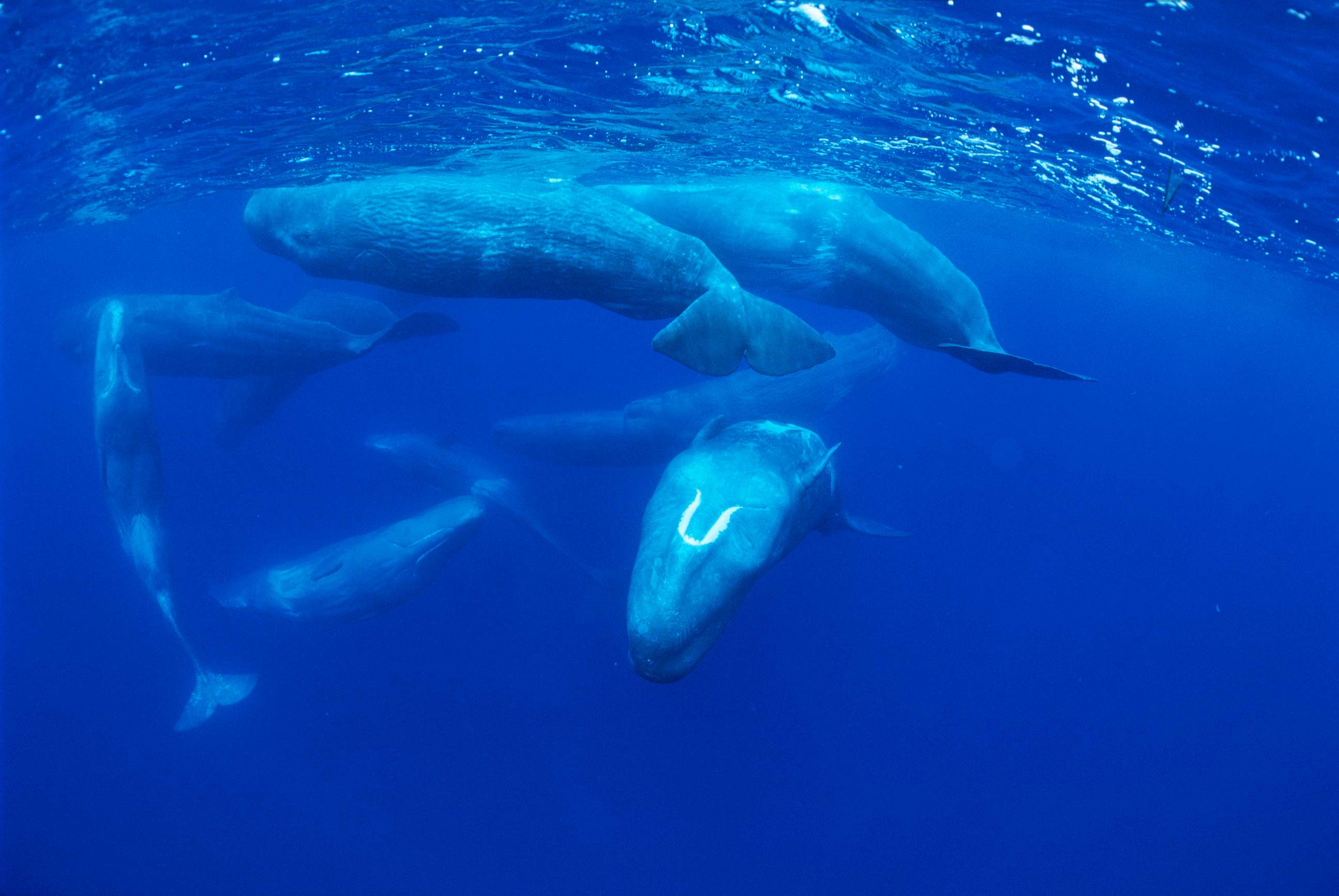
Sperm whales socialize in the north Atlantic Ocean near the Azores Islands, Portugal.
Doug Perrine via Newscom, FILE

Rather, it appears that whales "swiftly" learned effective defensive measures when confronted by whalers, especially when grouped with experienced, older whales, researchers said.

The whalers themselves even wrote about defense methods they believed the whales had adopted, such as communicating danger within the social group, fleeing upwind or attacking the whalers, according to the study.

Related Articles

MORE: Sperm whale found dead on Italian beach had plastic in its stomach, Greenpeace says

Before humans, the most serious predator sperm whales encountered was killer whales, which they would deflect by gathering in slow-moving groups at the surface and fighting back with their jaws or flukes, researchers said.
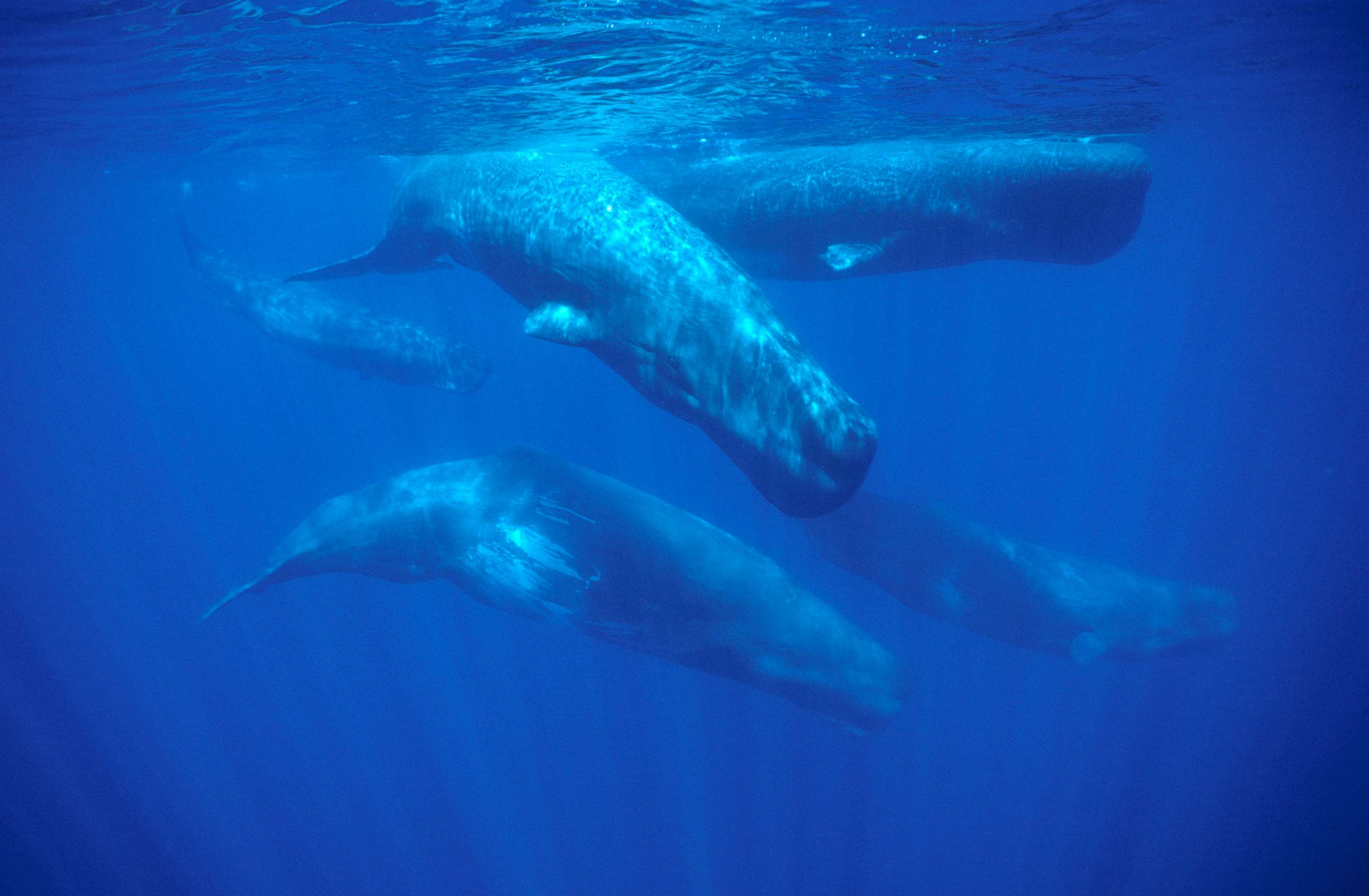
In this undated file photo, a sperm whale pod swims near the Azores Islands in the north Atlantic Ocean.
UIG via Getty Images, FILE

That method, however, would have assisted the whalers, so the researchers hypothesized that sperm whales developed new techniques to escape.

The researchers studied the strike rate on 2,405 days of whale sightings to make the determinations.


Up Next in News—

Gas prices are up across the country. Here's where you'll find the most expensive -- and cheapest -- gas

May 2, 2026

Police officers hailed as heroes after New York house explosion

May 1, 2026

Artemis II astronauts on their out-of-this-world mission: 'Adventure of a lifetime'

April 30, 2026

'Rogue' AI agent went haywire at tech company. The CEO is still 'bullish' on the technology

April 29, 2026

Shop GMA Favorites

ABC will receive a commission for purchases made through these links.

Sponsored Content by Taboola

The latest lifestyle and entertainment news and inspiration for how to live your best life - all from Good Morning America.
  • Contests
  • Terms of Use
  • Privacy Policy
  • Do Not Sell My Info
  • Children’s Online Privacy Policy
  • Advertise with us
  • Your US State Privacy Rights
  • Interest-Based Ads
  • About Nielsen Measurement
  • Press
  • Feedback
  • Shop FAQs
  • ABC News
  • ABC
  • All Videos
  • All Topics
  • Sitemap

© 2026 ABC News
  • Privacy Policy— 
  • Your US State Privacy Rights— 
  • Children's Online Privacy Policy— 
  • Interest-Based Ads— 
  • Terms of Use— 
  • Do Not Sell My Info— 
  • Contact Us— 

© 2026 ABC News