• Video
  • Shop
  • Culture
  • Family
  • Wellness
  • Food
  • Living
  • Style
  • Travel
  • News
  • Book Club
  • Newsletter
  • Privacy Policy
  • Your US State Privacy Rights
  • Children's Online Privacy Policy
  • Interest-Based Ads
  • Terms of Use
  • Do Not Sell My Info
  • Contact Us
  • © 2026 ABC News
  • News

How to Spot Bogus 'Cramming' Charges on Your Phone Bill
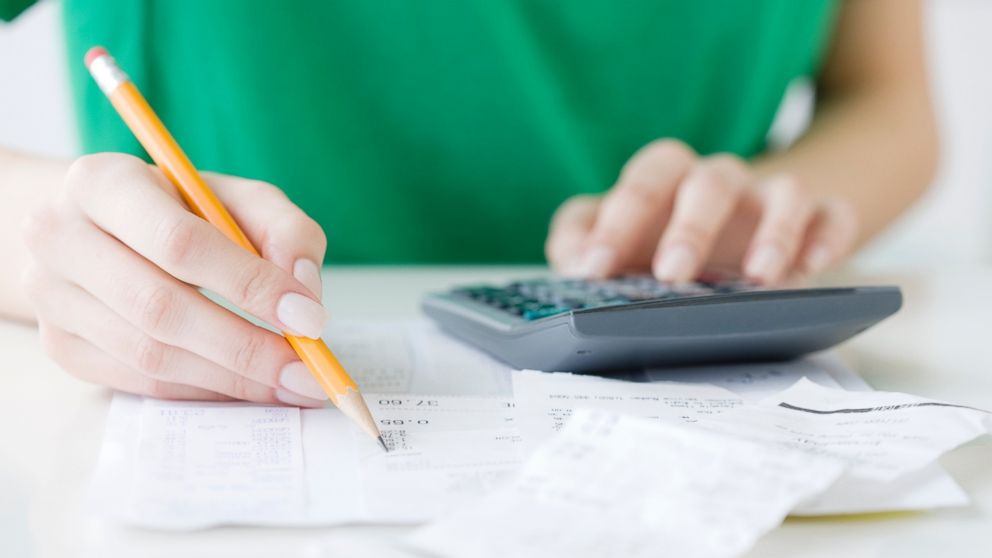
A woman reviewing bills.
Getty Images
ByALYSSA NEWCOMB
October 09, 2014, 8:18 PM

— -- The landmark $105 million settlement against AT&T for allegedly adding unauthorized charges to consumers' phone bills has put the spotlight on a practice known as "cramming."

For $9.99 a month, some consumers were sent unsolicited text messages, according to the Federal Trade Commission. The examples listed on the FTC's website range from annoying to bizarre.

"Guess What? You have a better chance of dying on the way to buy a lotto ticket then winning the lotto. For HELP call 18888906150."

"Guess What? The placement of a donkeys eyes on its head enables it to see all four feet at times! For HELP call 18888906150."

The mobile carrier has agreed to pay $80 million to the FTC to provide refunds to subscribers who can prove they were incorrectly billed, according to the FTC's website.

Related Articles

Gov't: AT&T to Pay $105M for Bogus Phone Charges

Related Articles

FTC:'Cramming' Fraud Targets Consumers' Credit Cards

Related Articles

Cute Photo! Kanye West Brings Baby North to the Studio

Guess what? There's more good news. You don't have to fall victim to bogus charges. Here are five tips from the Federal Trade Commission to help you make sure you're not being overcharged:

  • Don't enter your mobile phone number on unsecured websites.

  • Unsolicited text messages can be a sign you’re being billed for a service you didn't opt in to. Look closely at your next bill to make sure there are no new charges.

  • Speaking of which: The most common cramming charge is $9.99, a small amount that is easy to overlook. If you see a charge and don’t know what it’s for, ask your mobile provider.

  • Look out for generic sounding fees. Some common words that may be used include: Min. Use Fee, Activation, Member Fee or Subscription.

  • Some carriers offer a feature that will block third-party services on your phone bill. If you’re worried about bogus charges and don’t plan to use third party services, ask to opt-in to the service.

Up Next in News—

Mother charged after teen son allegedly hits and injures 81-year-old veteran while riding e-motorcycle

April 23, 2026

UK bill banning smoking products for those born after 2008 is one step away from becoming law

April 22, 2026

Pilot killed in Florida plane crash hailed as hero

April 21, 2026

Athlete drowns during Ironman Texas triathlon

April 20, 2026

Shop GMA Favorites

ABC will receive a commission for purchases made through these links.

Sponsored Content by Taboola

The latest lifestyle and entertainment news and inspiration for how to live your best life - all from Good Morning America.
  • Contests
  • Terms of Use
  • Privacy Policy
  • Do Not Sell My Info
  • Children’s Online Privacy Policy
  • Advertise with us
  • Your US State Privacy Rights
  • Interest-Based Ads
  • About Nielsen Measurement
  • Press
  • Feedback
  • Shop FAQs
  • ABC News
  • ABC
  • All Videos
  • All Topics
  • Sitemap

© 2026 ABC News
  • Privacy Policy— 
  • Your US State Privacy Rights— 
  • Children's Online Privacy Policy— 
  • Interest-Based Ads— 
  • Terms of Use— 
  • Do Not Sell My Info— 
  • Contact Us— 

© 2026 ABC News