Steps Trump could take to address excessive force by police: OPINION
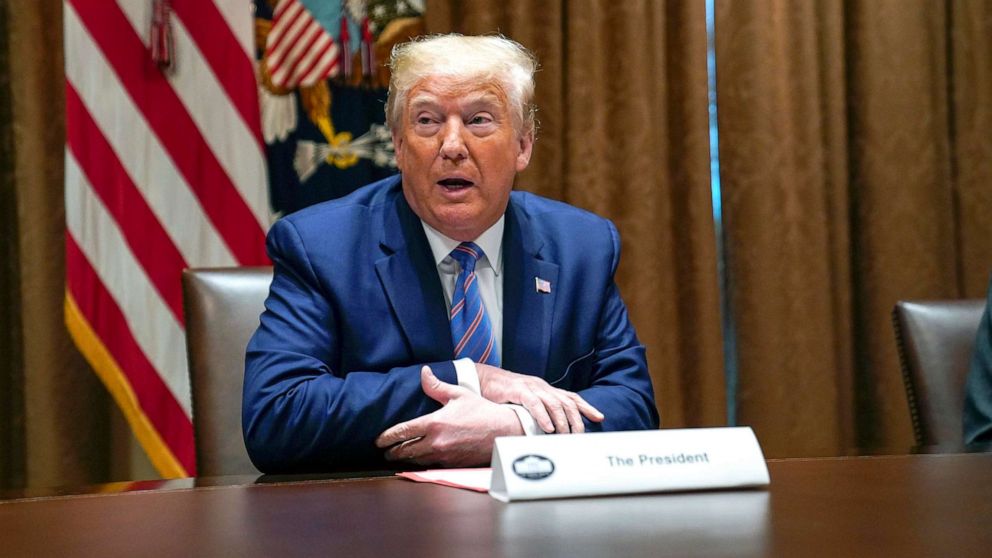
As the White House unveils its executive order on police reform, which is aimed at incentivizing police agencies across the country to adopt best practices on use of force, share information about officers who engage in misconduct and respond to nonviolent calls with the help of social workers, there are some things to consider.
While President Donald Trump can order what he wants, the truth is police departments don’t have to listen.
State and local law enforcement organizations derive their authorities and are regulated by state and local law. The federal government actually has very little control over what these agencies are able to do on a day-to-day basis.
An executive order, which allows the Trump administration to direct federal entities, means nothing at the state and local levels. The federal government cannot regulate the behavior or operations of these state and local personnel through an executive order.
However, there are some things on the federal level that could be directed which would have an immediate impact.
Trump could direct the Department of Justice to assign more personnel to probe allegations of excessive force and make the conduct of investigations into organizations accused of engaging in pattern of unconstitutional behavior a priority. Under former Attorney General Jeff Sessions, the Trump administration de-emphasized these pattern and practice investigations and the work of the civil rights division.
Direct Attorney General William Barr to expand training and technical assistance through the Office of Community Oriented Policing Services (COPS) and request additional funding from Congress for more COPS grants. It is the COPS office that sought to expand the adoption of community-oriented policing and strategies focusing on community-based problem solving and collaboration, as well as promoting that law enforcement officers treat members of the community with respect.
Make a clear statement that law enforcement activities must be conducted in a legal, ethical and just manner, free from racial bias, and direct all federal law enforcement agencies to immediately review policies and procedures to ensure that discriminatory practices by any federal law enforcement officer are reported, investigated and addressed.
Direct the DOJ and Department of Homeland Security to allow federal grants to pay for non-law enforcement activities such as mental health care and other social services. The administration could also increase funding for mental health crisis intervention training and the operations of crisis intervention teams, which combine law enforcement social service and mental health personnel to respond to calls for service.
State and local law enforcement agencies could also be required, as a condition of all federal grants, to demonstrate they have polices and procedures in place to address excessive force and discriminatory behavior.
While this executive order may have little direct impact on local policing, it is an opportunity for the president to send a clear message to the people of America that discriminatory practices by our law enforcement professionals will not be tolerated. But that message will only be meaningful if it is accompanied by concrete actions.
John Cohen, who spent over three decades working in law enforcement and homeland security including serving as a police officer and the acting undersecretary at the U.S. Department of Homeland Security, is an ABC News contributor.