• Video
  • Shop
  • Culture
  • Family
  • Wellness
  • Food
  • Living
  • Style
  • Travel
  • News
  • Book Club
  • Newsletter
  • Privacy Policy
  • Your US State Privacy Rights
  • Children's Online Privacy Policy
  • Interest-Based Ads
  • Terms of Use
  • Do Not Sell My Info
  • Contact Us
  • © 2026 ABC News
  • News

Super blue blood moon: What to know about the rare celestial event
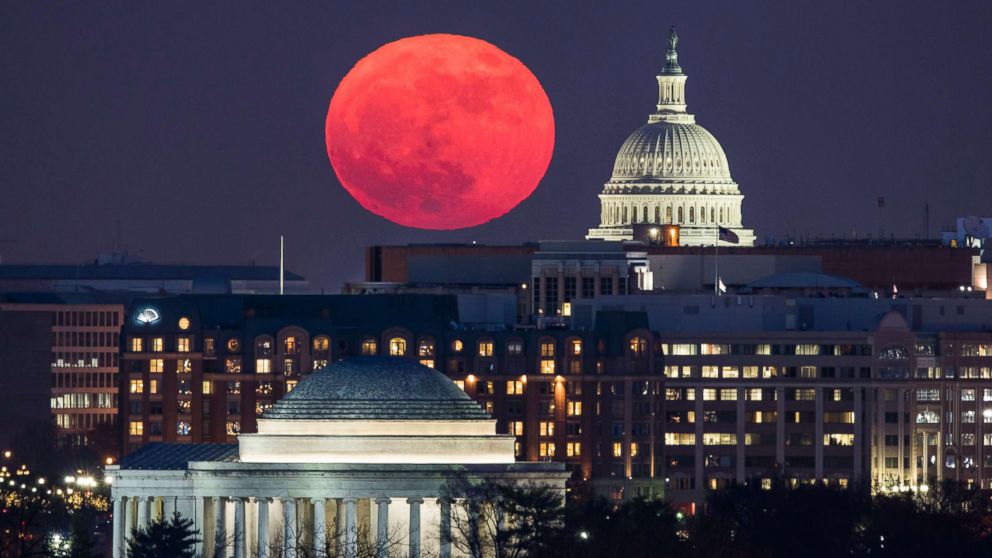
6:25
Watch the super blue blood moon live on 'GMA'
Jim Scalzo/EPA
ByKELLY MCCARTHY
January 29, 2018, 3:36 PM

— -- ABC News will begin live streaming coverage of the Super Blue Blood Moon on Wednesday morning starting at 5:30 a.m. ET. Live reports from Southeast Asia, the Hawaiian islands and the western U.S., as well as footage from NASA and the Virtual Telescope Project will give viewers a front-row seat to the action.

Tune in on ABCNews.com and on the ABC News app!

This week, skywatchers will be able to glimpse a rare phenomenon: a super blue blood moon.

The event may sound like a complicated tongue twister, but it's really just the confluence of three celestial occurrences.
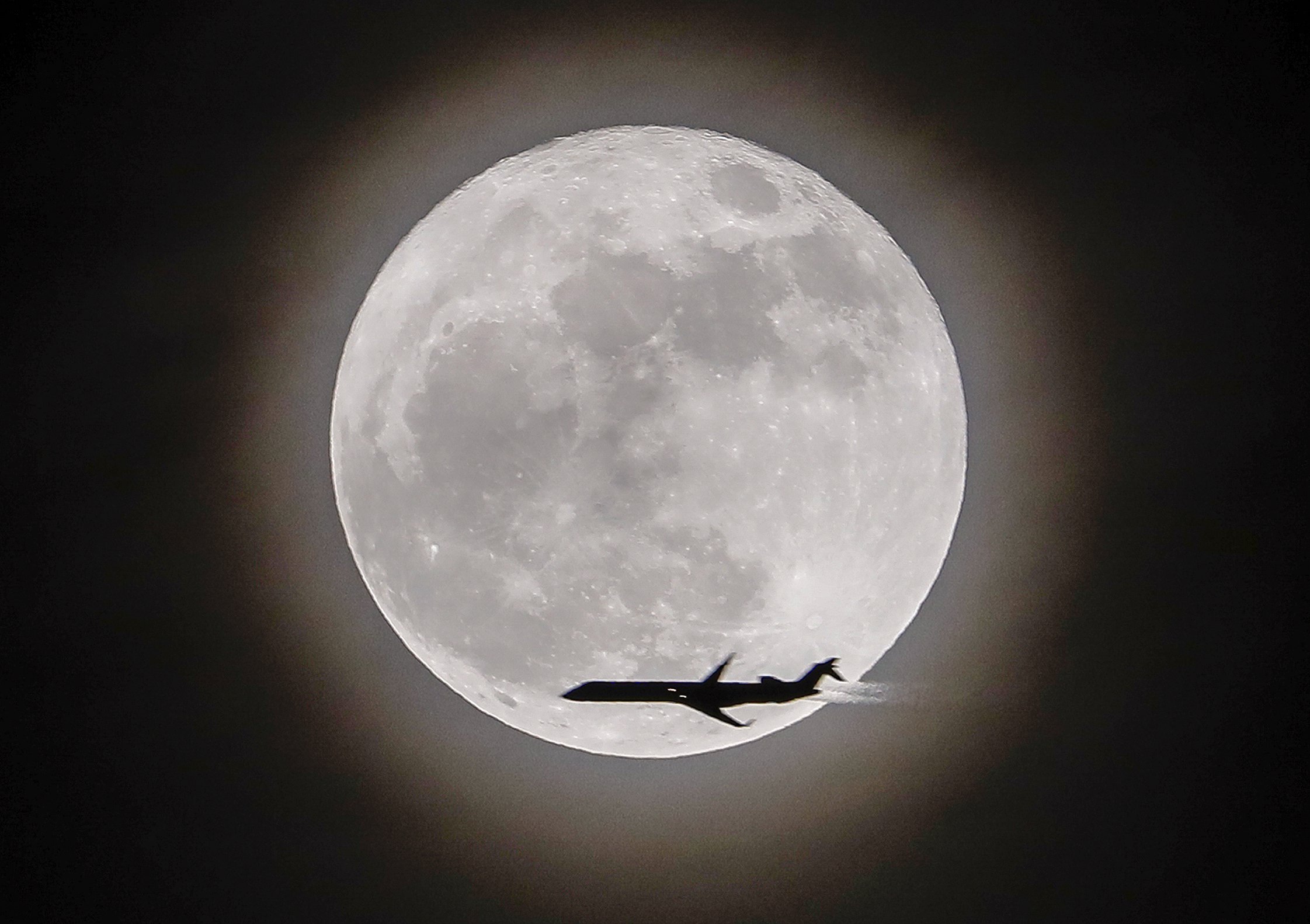
An airplane crosses in front of the moon, a supermoon, in Avondale Estates, Georgia, Dec.3, 2017.
Erik S. Lesser/EPA

Related Articles

Expert tips on how to watch, photograph Wednesday's super blue blood moon

After the full moon on New Year’s Day, another is scheduled to light up the night sky on Wednesday, Jan. 31. This is considered a blue moon because it is the second full moon of a month. A super moon is when the full moon appears larger and brighter to the naked eye.
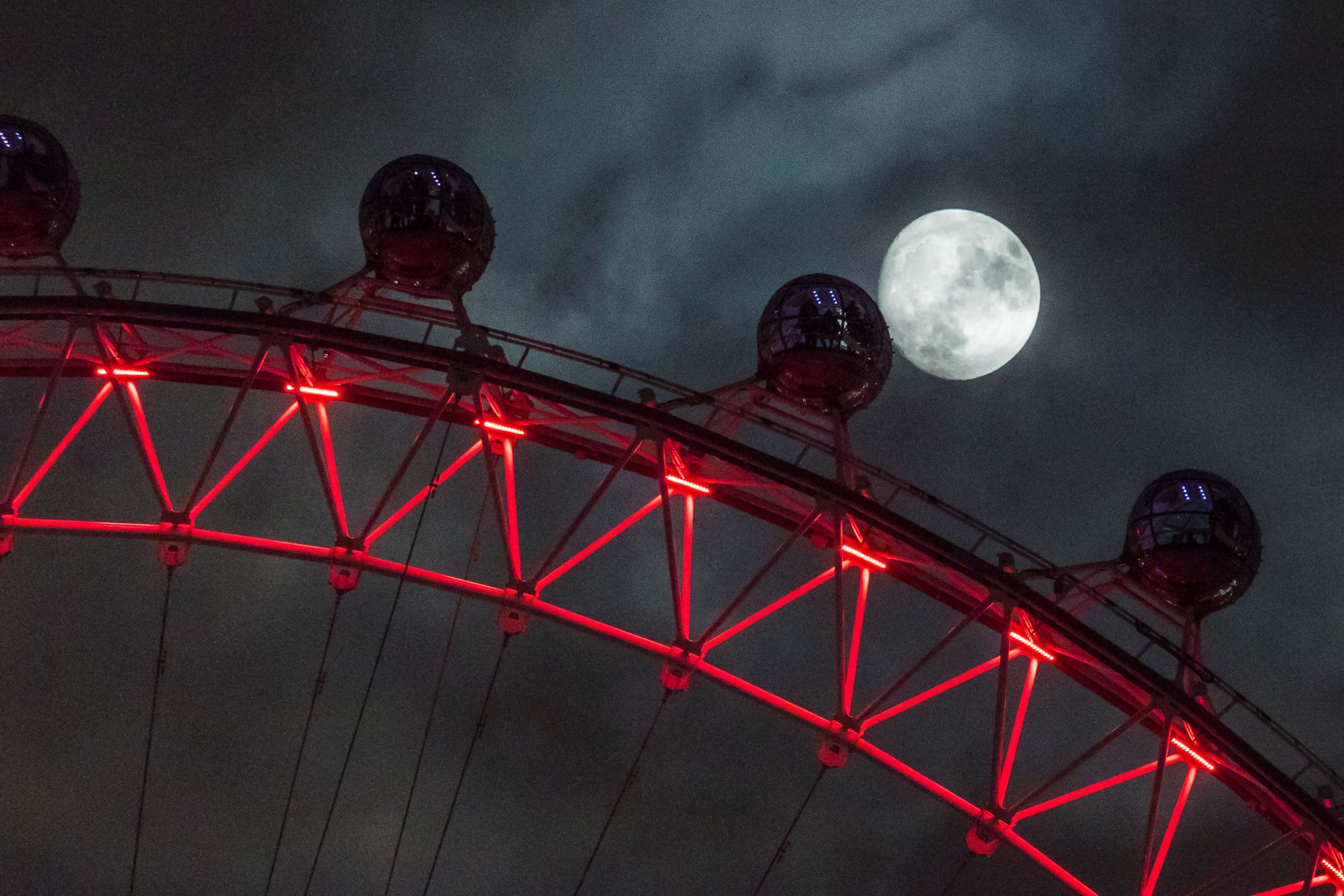
Seen from Downing Street, the moon rises behind the London Eye, Dec. 01, 2017 in London.
Paul Davey/Barcroft Media via Getty Images

These two events will also coincide with a total lunar eclipse, or blood moon, on Wednesday, Jan. 31.
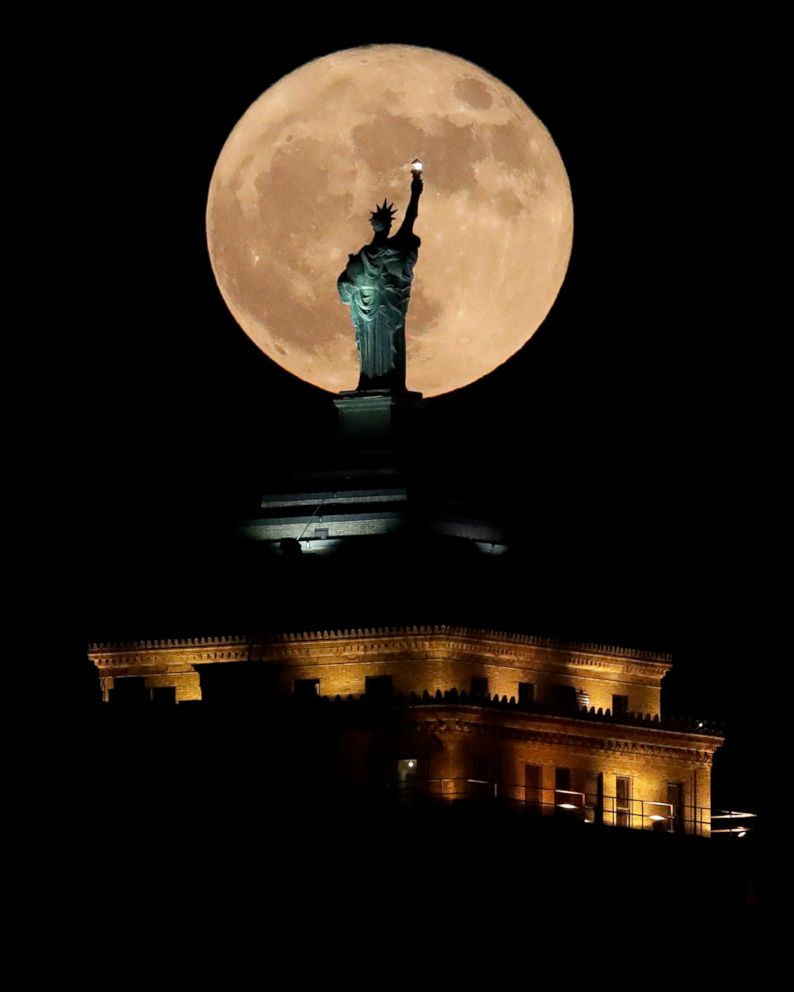
A supermoon rises in front of a replica of the Statue of Liberty sitting atop the Liberty Building in downtown Buffalo, N.Y., Dec. 3, 2017.
Julio Cortez/AP

Most days the moon is nearly 238,855 miles from Earth, but during the super moon it will be approximately 223,068 miles away, according to NASA. During a super moon, the moon can appear up to 14 percent larger and 30 percent brighter than usual.

A total lunar eclipse occurs when a full moon passes into Earth's shadow, making the moon appear red -- hence the nickname blood moon.

Altogether, the three events -- a blue moon, a super moon and a blood moon -- will make for a spectacular show the last night of January.
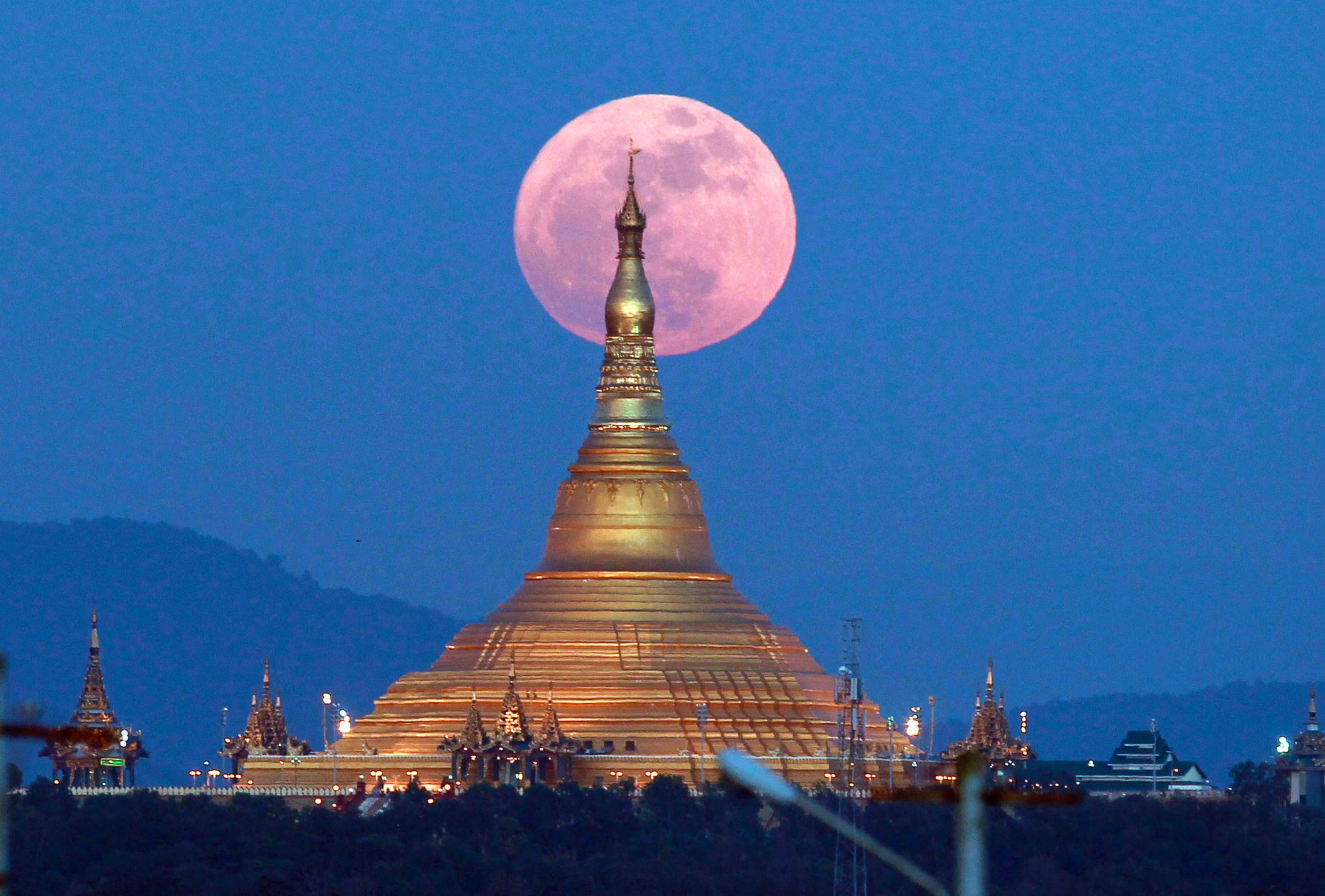

The moon rises behind the Uppatasanti Pagoda seen in Naypyitaw, Myanmar, Dec. 3, 2017.
Aung Shine Oo/AP

Up Next in News—

Gas station clerk speaks out after foiling alleged kidnapping

April 15, 2026

Oklahoma high school principal takes down would-be shooter, hailed as hero

April 15, 2026

Family seeks answers after influencer Ashlee Jenae is found dead on vacation in Tanzania

April 15, 2026

Couple shares warning after nearly losing down payment in mortgage fraud

April 10, 2026

Shop GMA Favorites

ABC will receive a commission for purchases made through these links.

Sponsored Content by Taboola

The latest lifestyle and entertainment news and inspiration for how to live your best life - all from Good Morning America.
  • Contests
  • Terms of Use
  • Privacy Policy
  • Do Not Sell My Info
  • Children’s Online Privacy Policy
  • Advertise with us
  • Your US State Privacy Rights
  • Interest-Based Ads
  • About Nielsen Measurement
  • Press
  • Feedback
  • Shop FAQs
  • ABC News
  • ABC
  • All Videos
  • All Topics
  • Sitemap

© 2026 ABC News
  • Privacy Policy— 
  • Your US State Privacy Rights— 
  • Children's Online Privacy Policy— 
  • Interest-Based Ads— 
  • Terms of Use— 
  • Do Not Sell My Info— 
  • Contact Us— 

© 2026 ABC News