Supreme Court appears skeptical of Colorado 'conversion therapy' ban
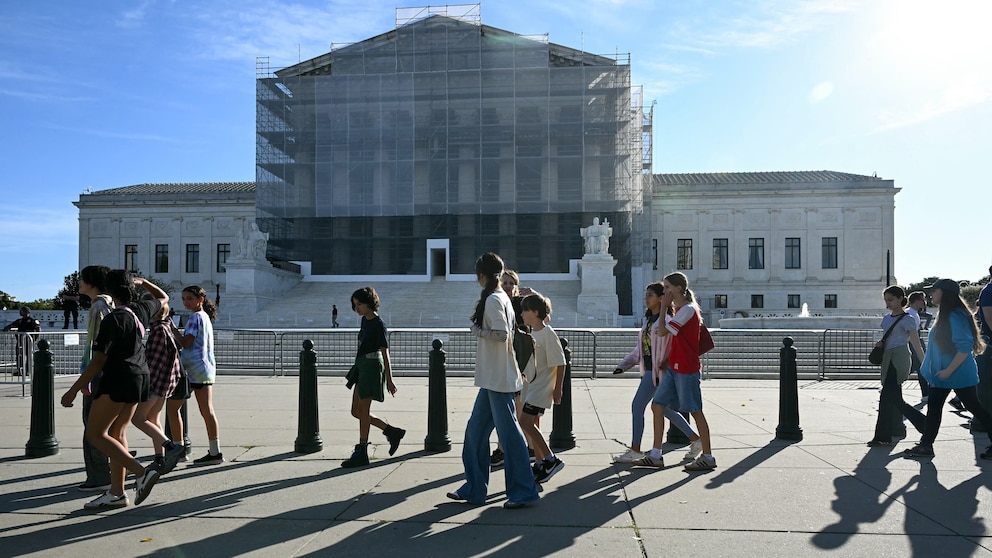


In a case at the heart of debate over how best to care for young people struggling with their sexuality or gender identity, the U.S. Supreme Court on Tuesday signaled that state restrictions on what licensed counselors can say in conversations with adolescents might run afoul of the First Amendment.
The justices heard oral arguments in a dispute from Colorado over the state's 2019 law banning so-called "conversion therapy" for minors -- or, efforts to change an individual’s sexual orientation or gender identity during talk therapy treatment.
The law says therapists licensed by the state are not allowed to try to "change behaviors or gender expressions" or try to "eliminate or reduce" same-sex attraction, but they are allowed to provide "acceptance, support, and understanding" as a child develops.
Violators face up to a $5000 fine and potential loss of license.
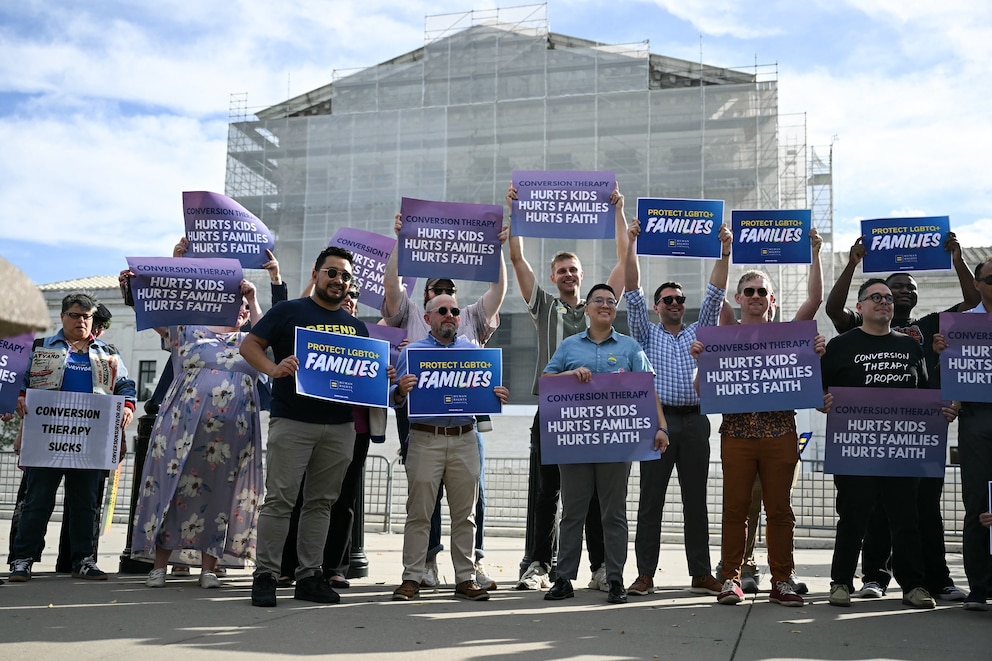
Twenty-seven states, including Colorado, have restricted the practice -- often on a bipartisan basis -- because of the medical and mental health professionals’ consensus view that it is ineffective and potentially harmful.
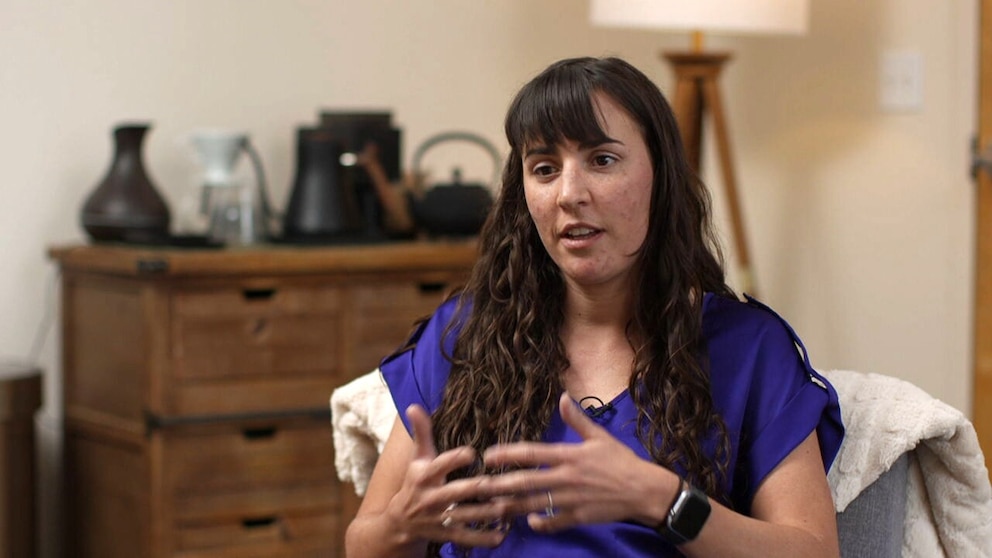
A Christian licensed therapist from Colorado Springs, Kaley Chiles, brought the legal challenge, alleging the law violates her free speech rights and prevents her from openly talking with clients about their desire to rid themselves of same-sex attractions or better align with their biological sex.
The case also implicates the rights of parents in search of mental health care for children during puberty, and protections for LGBTQ young people in search of greater societal acceptance.
"This court has recognized many times," said Chiles’ attorney James Campbell during oral arguments, "that a one-on-one conversation is a form of speech. And that's exactly what's going on with Ms. Chiles and her clients."
Over the six years during which the law has been in effect, no counselor has been disciplined or fined by the state for allegedly engaging in prohibited treatment practices. Chiles alleges it has had a chilling effect.
Colorado argues the law is a legitimate regulation of medical treatment in line with a widely recognized standard of care and that any infringement on a licensed counselor’s speech is merely incidental.
"This has been an area that has been heavily regulated from the beginning of our country. And no one has ever suggested that a doctor has a First Amendment defense to say the wrong advice to their patient," Colorado Solicitor General Shannon Stevenson told the justices.
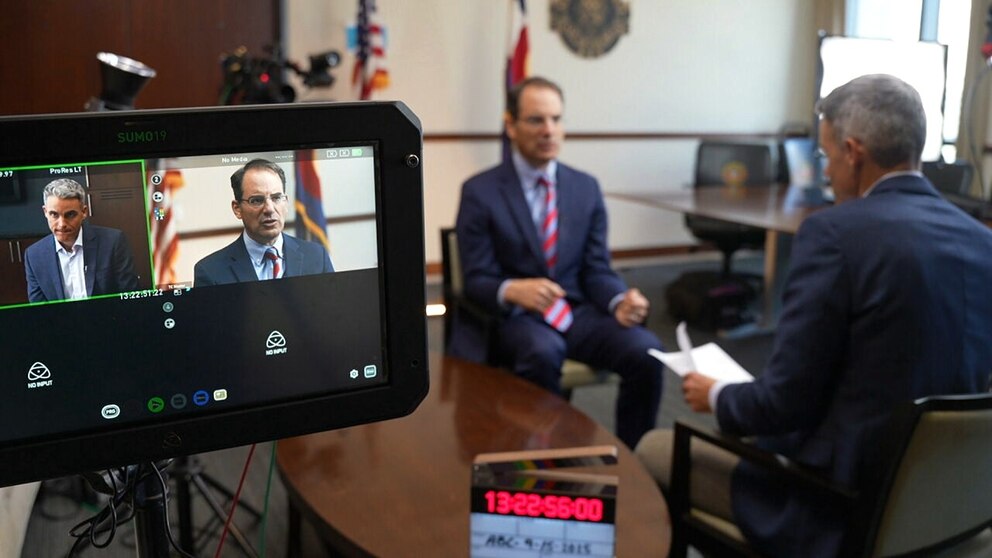
Several of the court’s conservative members appeared troubled by the state’s argument, suggesting they see a distinction between the practice of medicine -- which can be regulated as professional conduct -- and talk therapy conversation -- which is professional speech.
In a 2018 decision, the court narrowly ruled that any content-based regulations of professional speech run the risk of government censorship.
"I don't really see a difference between the argument that you're making now and the argument that I thought we rejected in [2018]," Justice Samuel Alito told Colorado Solicitor General Shannon Stevenson.
The justices also wrestled with the role of science in the debate, with several conservatives questioning whether there was, in fact, sufficient evidence that talk therapy aimed at helping a child change his or her identity was harmful.
"The medical consensus is usually very reasonable and it’s very important. But have there been times when the medical consensus has been politicized, has been taken over by ideology? Isn’t it a fact that it’s happened in the past?" said Alito.
Justice Ketanji Brown Jackson appeared most supportive of Colorado’s law and invoked the court’s June decision upholding Tennessee’s ban on gender-affirming care for transgender minors.
"In Skrmetti," Jackson said of the case, "we had a state that wanted to prohibit certain medical treatment, gender-affirming care, being given to minors in the form of medication. And we said that was okay.
"Here, we have a state that wants to prohibit gender-related medical treatment in the form of talk therapy, but we now have the First Amendment that is inhibiting the state's ability to do that," Jackson said. "I’m just, from a very, very broad perspective, concerned about making sure that we have equivalence with respect to these things."
If a majority of the justices believe the First Amendment applies to talk therapy, they could return the Colorado case to a lower court for further consideration of whether there is sufficient evidence to still support the state’s goal of protecting kids by restricting "conversion therapy."
The court could alternatively answer that question itself and resolve the case one way or the other.
"All remand would do in this case is continue to prolong the ongoing harm that's happening not only to my client but, more importantly, the kids who are struggling with gender dysphoria," Chiles’ attorney Campbell told the justices.
Justice Brett Kavanaugh, the justice most frequently in the court’s majority in recent years, remained silent for the duration of the argument and did not ask any questions.
"No court has ever held a law like this implicates the First Amendment," concluded Stevenson. "The law applies only to treatments, that is, only when a licensed professional is delivering clinical care to an individual patient … A state cannot lose its power to regulate the very professionals that it licenses just because they are using words."
The court is expected to issue a decision in the case -- Chiles v. Salazar -- by the end of June 2026.