• Video
  • Shop
  • Culture
  • Family
  • Wellness
  • Food
  • Living
  • Style
  • Travel
  • News
  • Book Club
  • Newsletter
  • Privacy Policy
  • Your US State Privacy Rights
  • Children's Online Privacy Policy
  • Interest-Based Ads
  • Terms of Use
  • Do Not Sell My Info
  • Contact Us
  • © 2026 ABC News
  • News

Supreme Court gives candidates more room to challenge election rules
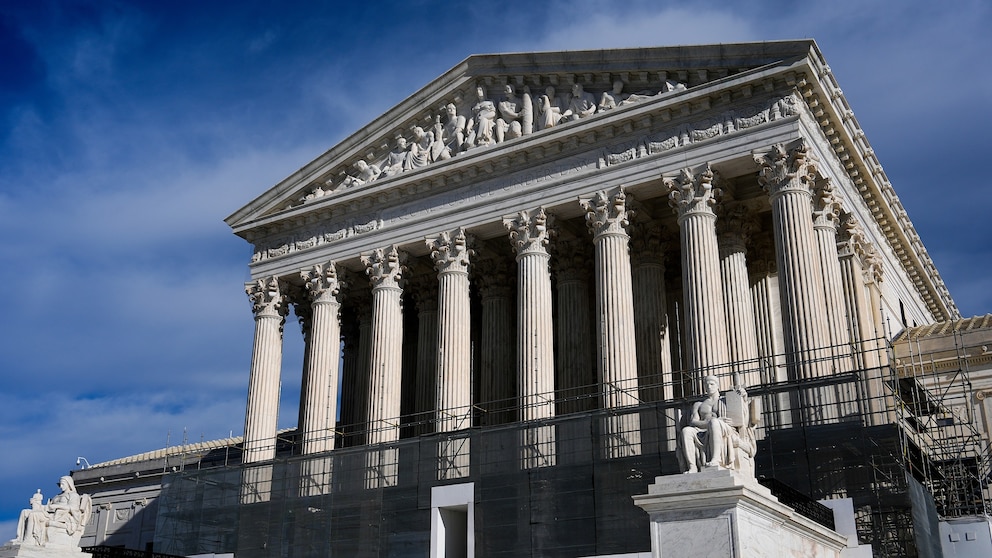
3:05
Supreme Court likely to let candidates more freely challenge state election laws
Julia Demaree Nikhinson/AP
Devin Dwyer, Senior Washington Reporter, ABC News.
ByDevin Dwyer
January 14, 2026, 6:38 PM

The Supreme Court on Wednesday significantly expanded the ability of candidates for political office to challenge rules governing an election, rolling back lower court decisions that had said a candidate needed to show concrete harm in order to bring a suit.

The 7-2 decision handed a victory to Republicans in Illinois who are contesting a state policy of counting timely cast but late-arriving mail ballots up to two weeks after Election Day.

It also promises to increase litigation nationwide ahead of the midterm election.

"Candidates have a concrete and particularized interest in the rules that govern the counting of votes in their elections, regardless whether those rules harm their electoral prospects or increase the cost of their campaigns," wrote Chief Justice John Roberts in the court's opinion.
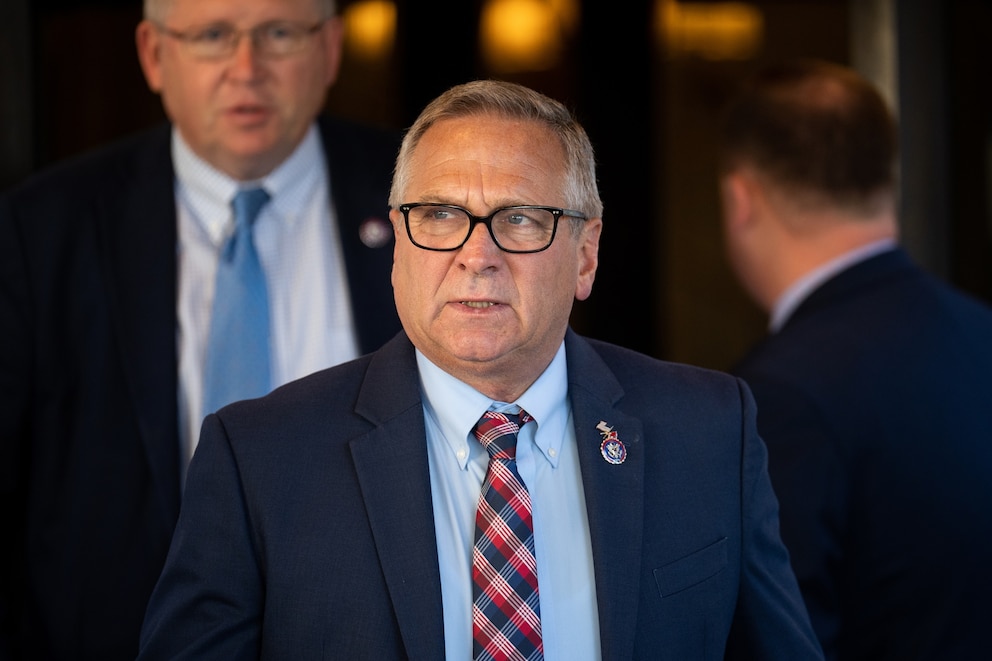
Rep. Mike Bost leaves the House GOP caucus meeting at the Capitol Hill Club in Washington, Sept. 20, 2022.
Bill Clark/CQ-Roll Call, Inc via Getty Images

Roberts concluded that candidates -- by virtue of running for office alone -- should have the ability to bring legal challenges over rules governing how campaigns are conducted and votes are cast and counted.

Justices Amy Coney Barrett and Elena Kagan concurred with the court's judgment in the case but on different grounds, saying candidates should need to show a "pocketbook injury" or other "actual or imminent injury" before being allowed to sue.
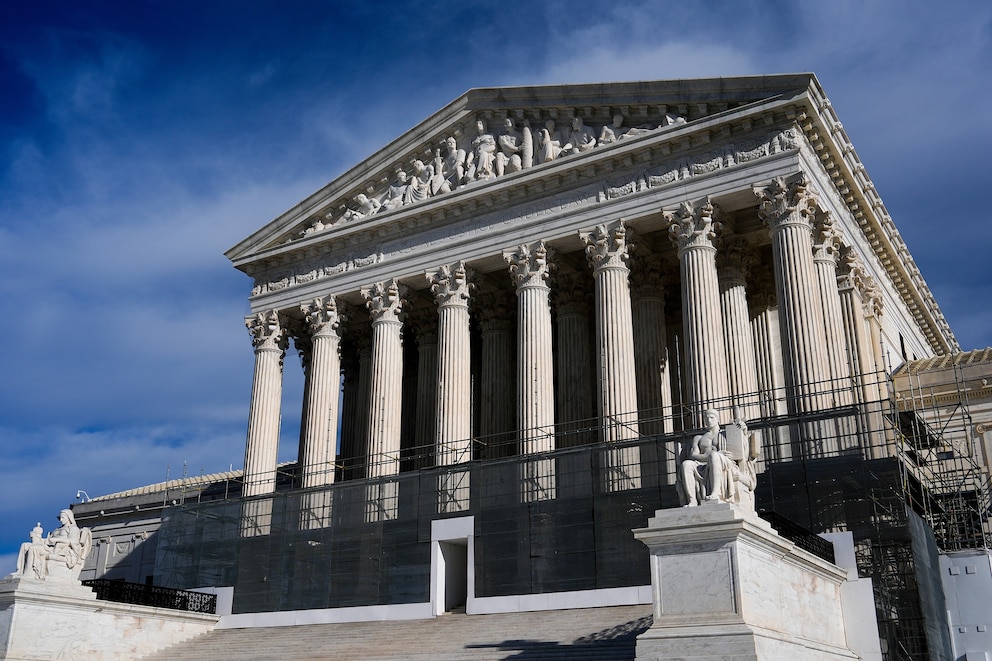
The Supreme Court is seen during oral arguments, Jan. 13, 2026, in Washington.
Julia Demaree Nikhinson/AP

In dissent, Justice Ketanji Brown Jackson, joined by Justice Sonia Sotomayor, accused the majority of breaking from settled law and "unnecessarily thrusting the judiciary into the political arena."

"By carving out a bespoke rule for candidate-plaintiffs -- granting them standing to challenge the rules that govern the counting of votes, simply and solely because they are candidates for office -- the Court now complicates and destabilizes both our standing law and America's electoral process," Jackson wrote.

Up Next in News—

Man arrested near former Prince Andrew's home appears in court

May 8, 2026

Black educators say they're committed to the profession amid growing pressures, underrepresentation

May 8, 2026

Jake Reiner discusses death of parents Rob and Michelle Reiner in return to podcast

May 7, 2026

How to save on gas with new Fuel Day promo at Circle K amid soaring prices

May 7, 2026

Shop GMA Favorites

ABC will receive a commission for purchases made through these links.

Sponsored Content by Taboola

The latest lifestyle and entertainment news and inspiration for how to live your best life - all from Good Morning America.
  • Contests
  • Terms of Use
  • Privacy Policy
  • Do Not Sell My Info
  • Children’s Online Privacy Policy
  • Advertise with us
  • Your US State Privacy Rights
  • Interest-Based Ads
  • About Nielsen Measurement
  • Press
  • Feedback
  • Shop FAQs
  • ABC News
  • ABC
  • All Videos
  • All Topics
  • Sitemap

© 2026 ABC News
  • Privacy Policy— 
  • Your US State Privacy Rights— 
  • Children's Online Privacy Policy— 
  • Interest-Based Ads— 
  • Terms of Use— 
  • Do Not Sell My Info— 
  • Contact Us— 

© 2026 ABC News