Supreme Court finds 'radical agreement' in employment discrimination case


It was a high-profile legal debate at the U.S. Supreme Court on Wednesday with potentially big implications for America's raging culture wars.
In the end, justices appeared to come to rare consensus -- to find what Justice Neil Gorsuch called "radical agreement" -- in the case of a straight white woman alleging "reverse discrimination" by her employer on the basis of sexual orientation.
The plaintiff, Marlean Ames, had asked the justices to reverse a lower court ruling that tossed out her employment discrimination lawsuit against the Ohio Department of Youth Services, where she had worked for more than 15 years.
After a little under an hour of oral arguments, it appears she will get her wish -- though it's far from certain she will ultimately win her discrimination case.
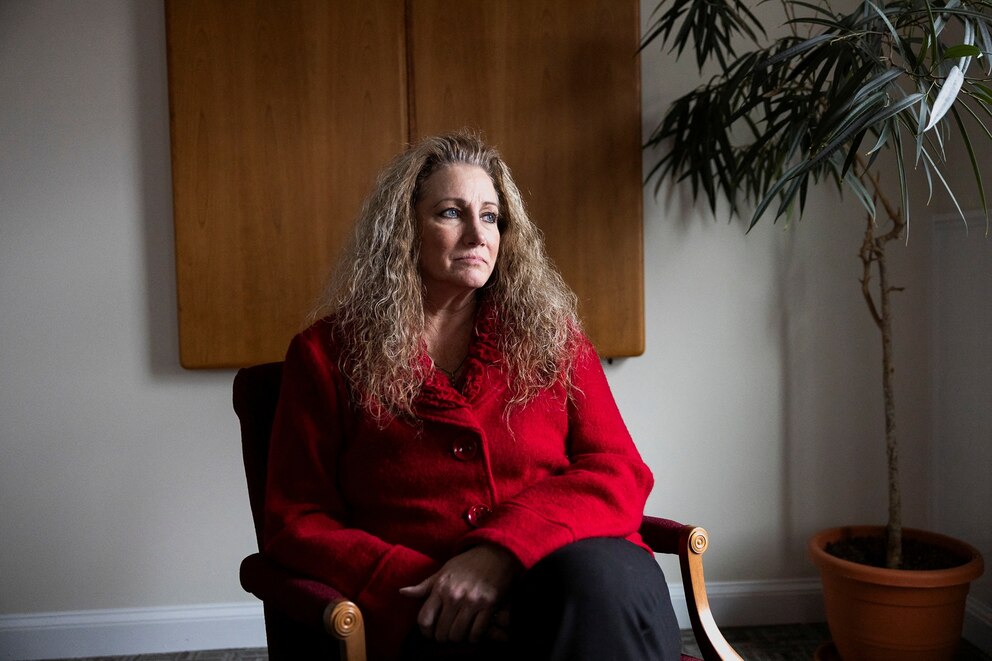
Ames alleges her employer denied her a promotion and later demoted her, in both cases selecting gay candidates instead who were less qualified. Her supervisor at the time was also gay.
Title VII of the Civil Rights Act of 1964 prohibits discrimination on the basis of sex and sexual orientation.
The Supreme Court has said that plaintiffs bringing claims under Title VII must, as a first step, show a prima facie case -- or initial set of facts that, if unexplained, plausibly amount to discrimination.
The Sixth Circuit U.S. Court of Appeals concluded that Ames didn't meet that bar because -- as a straight woman -- she failed to show the necessary "background circumstances" necessary to show a plausible case of discrimination against her as a member of a majority group.
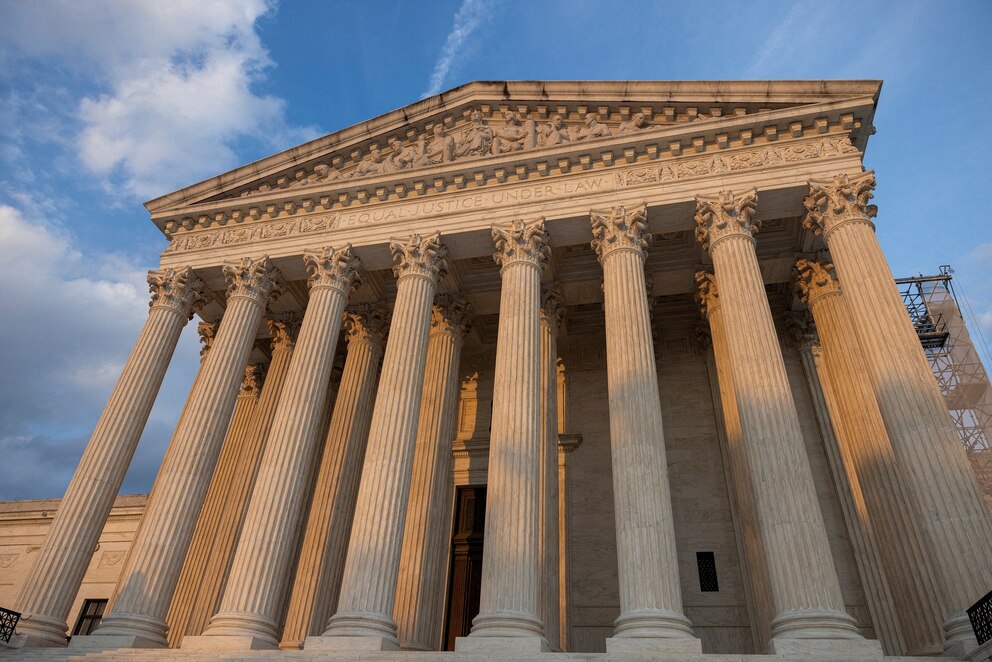
Ames argued the "background circumstances" requirement was an unfair added burden on her simply because she's straight. Nearly all of the justices seemed to agree -- even the attorney for the state of Ohio.
"We agree, Ohio agrees, that it's wrong to treat people differently," Ohio Solicitor General Elliot Gaiser told Justice Amy Coney Barrett during questioning.
Justice Sonia Sotomayor, the court's senior liberal member, suggested that at the very least there was "something suspicious" about Ames' situation that warranted further examination by the lower courts.
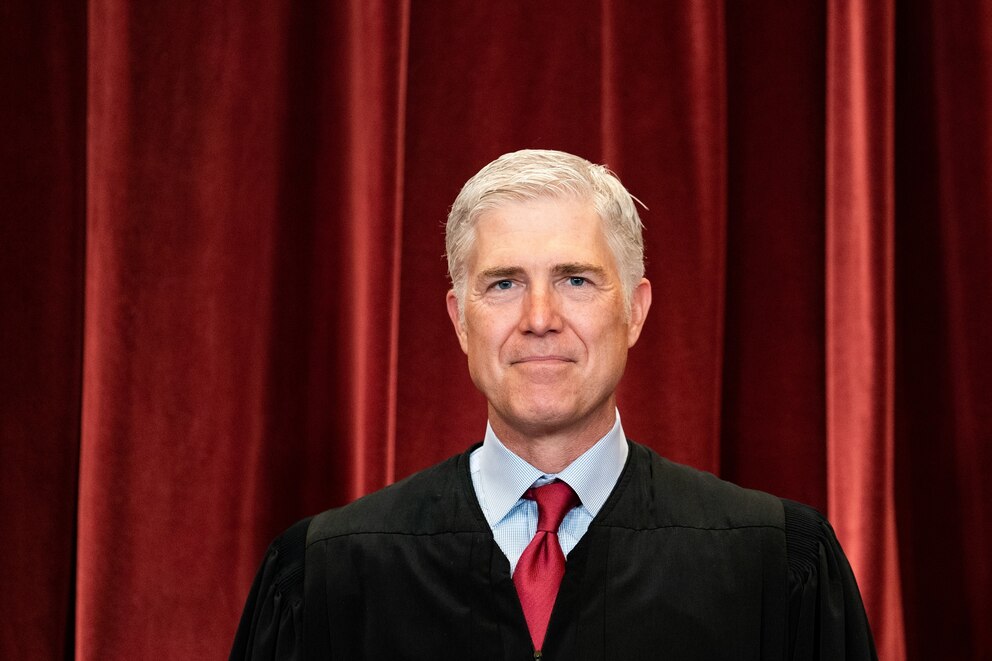
"We're in radical agreement today on that, it seems to me," quipped Justice Neil Gorsuch about the need for the Court to reassert that Title VII applies to everyone equally.
Gaiser argued, however, that even if the Court overturned the Sixth Circuit's "background circumstances" rule for white, straight, and/or male (i.e. majority-group) plaintiffs it should make clear that Ames still may not have presented a sufficiently plausible case of discrimination to move forward.
Justice Brett Kavanaugh suggested the Court will likely deliver a narrow opinion leaving to a lower court further fact-based deliberations about Ames' allegations and whether they should move forward.
All the Court needs to say, Kavanaugh said, "is a really short opinion that says discrimination on the basis of sexual orientation, whether it's because you're gay or because you're straight, is prohibited, and the rules are the same whichever way that goes."
Employment law experts suggested such a ruling could effectively make it easier for members of majority groups to bring cases of alleged discrimination in court.
"On a broader level, the ruling will reinforce to the public that the law prohibits discrimination equally against majority and minority groups alike," said Jonathan Segal, an employment lawyer and partner at Duane Morris LLP, a private firm based in Philadelphia. "This likely will increase in all circuits the already increasing number of claims by members of so-called majority groups."
"Of course, the Ames decision cannot be viewed in isolation," Segal added. "It will take place at a time when DEI programs already are under the legal microscope A finding of 'reverse discrimination' may subject an employer’s DEI programs to federal and state investigations."
A decision in the case -- Ames v. Ohio Department of Youth Services -- is expected by the end of June.