• Video
  • Shop
  • Culture
  • Family
  • Wellness
  • Food
  • Living
  • Style
  • Travel
  • News
  • Book Club
  • Newsletter
  • Privacy Policy
  • Your US State Privacy Rights
  • Children's Online Privacy Policy
  • Interest-Based Ads
  • Terms of Use
  • Do Not Sell My Info
  • Contact Us
  • © 2026 ABC News
  • News

Supreme Court rejects appeals from Republicans, Trump over contested 2020 voting rules in key battleground states
1:12
Headlines from ABC News Live
Seth Herald/AFP via Getty Images
Devin Dwyer, Senior Washington Reporter, ABC News.
ByDevin Dwyer
February 22, 2021, 3:41 PM

The Supreme Court has formally rejected several appeals from Republicans and former President Donald Trump over contested 2020 voting rules in key battleground states.

The court declined to take up a challenge to Pennsylvania's mail ballot deadline extension that became the fixation of Republican attempts to overturn results in that state. The justices also turned away a case out of Georgia, brought by Trump ally Lin Wood, over mail-in ballot requirements.

Related Articles

MORE: Voting rights legislation across country looks to both restrict, expand access

And, the court rejected Trump's suit against President Joe Biden over the counting of absentee ballots in Wisconsin.
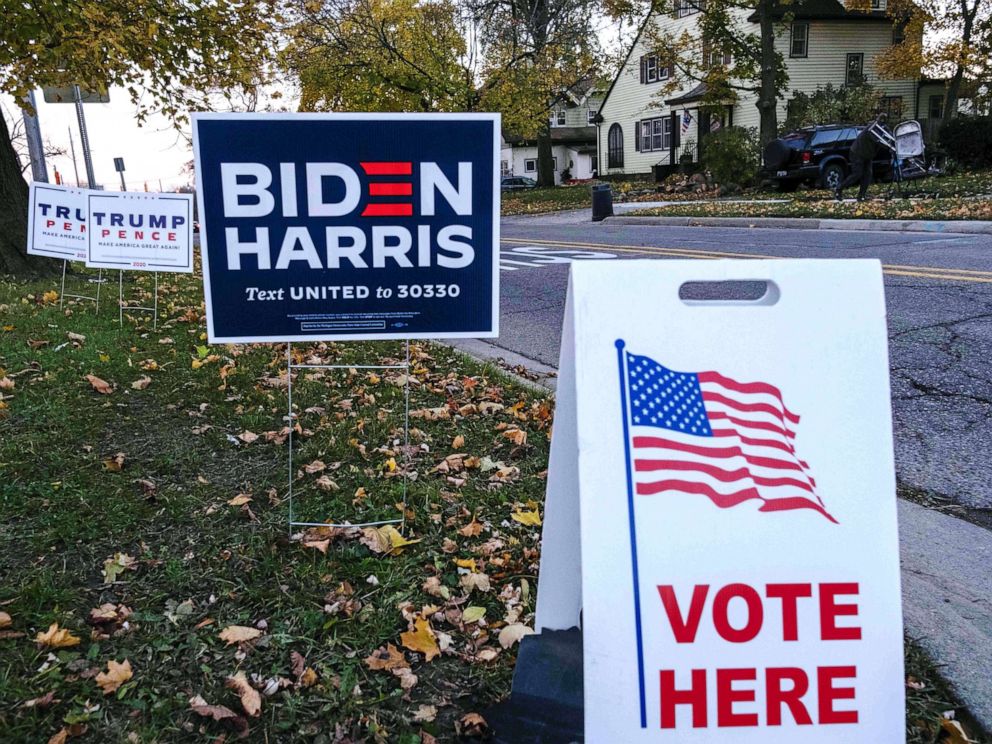
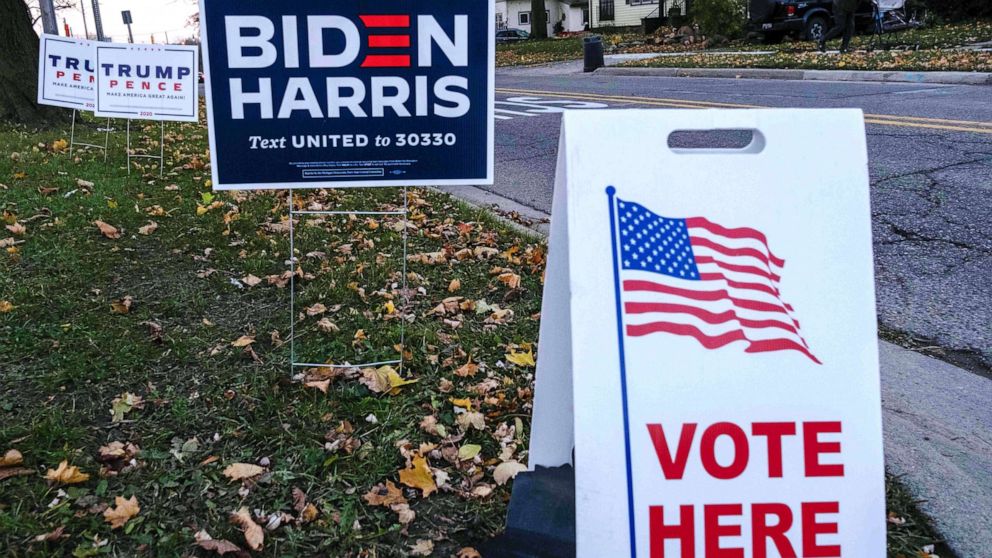
Trump signs and Biden signs are seen near Eisenhower Elementary School a polling area in Flint, Mich., Nov. 3, 2020.
Seth Herald/AFP via Getty Images, FILE

While the election is obviously settled, many Republicans had hoped the justices would resolve the dispute over changes in voting rules promulgated by state courts or other non-elected bodies -- changes they argue are illegal because they weren't legislated.

Related Articles

MORE: Here's how states have changed the rules around voting amid the coronavirus pandemic

"Now, the election is over, and there is no reason for refusing to decide the important question that these cases pose," wrote Justice Samuel Alito in a dissent joined by Justice Neil Gorsuch.

Justice Clarence Thomas, also dissenting from the decision in the Pennsylvania cases, wrote, the "decision to rewrite the rules seems to have affected too few ballots to change the outcome of any federal election. But that may not be the case in the future."

"These cases provide us with an ideal opportunity to address just what authority nonlegislative officials have to set election rules, and to do so well before the next election cycle. The refusal to do so is inexplicable," Thomas wrote.

Related Articles

MORE: Election 2020: Why voting in the coronavirus pandemic will be unlike any other year

Up Next in News—

This San Francisco shop is run completely by an AI agent

April 23, 2026

Mother charged after teen son allegedly hits and injures 81-year-old veteran while riding e-motorcycle

April 23, 2026

UK bill banning smoking products for those born after 2008 is one step away from becoming law

April 22, 2026

Pilot killed in Florida plane crash hailed as hero

April 21, 2026

Shop GMA Favorites

ABC will receive a commission for purchases made through these links.

Sponsored Content by Taboola

The latest lifestyle and entertainment news and inspiration for how to live your best life - all from Good Morning America.
  • Contests
  • Terms of Use
  • Privacy Policy
  • Do Not Sell My Info
  • Children’s Online Privacy Policy
  • Advertise with us
  • Your US State Privacy Rights
  • Interest-Based Ads
  • About Nielsen Measurement
  • Press
  • Feedback
  • Shop FAQs
  • ABC News
  • ABC
  • All Videos
  • All Topics
  • Sitemap

© 2026 ABC News
  • Privacy Policy— 
  • Your US State Privacy Rights— 
  • Children's Online Privacy Policy— 
  • Interest-Based Ads— 
  • Terms of Use— 
  • Do Not Sell My Info— 
  • Contact Us— 

© 2026 ABC News