Supreme Court will review legality of Biden's student loan forgiveness plan

The U.S. Supreme Court on Monday agreed to take up a second challenge to the legality of President Joe Biden's federal student loan debt relief plan, putting borrowers on track to get clarity on the fate of the program by next summer.
The program, which would grant up to either $10,000 or $20,000 in federal debt relief to student borrowers who make under $125,000, depending on the kind of loan they used, has been blocked by lower courts since November. The administration initially planned to start rolling out cancellations by the end of this month.
The second challenge the high court said it would review involves two borrowers who say they were unfairly denied relief under the program. The first challenge, which the court took up earlier this month, is from six conservative states: Arkansas, Iowa, Kansas, Missouri, Nebraska and South Carolina
The Supreme Court agreed to hear oral arguments in both cases in February, allowing an expedited schedule, and the justices are expected to make a decision by the end of June, when the term ends. February's arguments are also likely to give insight into how the justices view the program.
But the program will remain on hold until the final decision comes down, despite requests from the Biden administration to allow it to proceed while the case plays out in court.
White House press secretary Karine Jean-Pierre said in a statement earlier this month that "we welcome the Supreme Court’s decision to hear the case." The program is "legal, supported by careful analysis from administration lawyers," she said.
Twenty-six million people applied before the program was paused, according to the Department of Education, and 16 million peoples' applications were reviewed and authorized for relief -- though no loan cancellations were dispatched before court orders blocked the program.
The current legal limbo poses a major threat to Biden's pledge to cancel student loan debt for up to 43 million Americans. He first made such a promise during his 2020 presidential campaign and reiterated it during the 2022 midterm elections, when he repeatedly told crowds of supporters he believed he was on solid legal ground and would win out over Republican attacks on the plan.
Conservatives and other critics said loan debt forgiveness was beyond the power of a president and that it would unfairly penalize people who either didn't take out loans or who had paid them off.
"As soon as I announced my administration’s plan on student debt, they started attacking it, saying all kinds of things. Their outrage is wrong and it’s hypocritical," Biden said in late October at a rally at Delaware State University. "We’re not letting them get away with it."
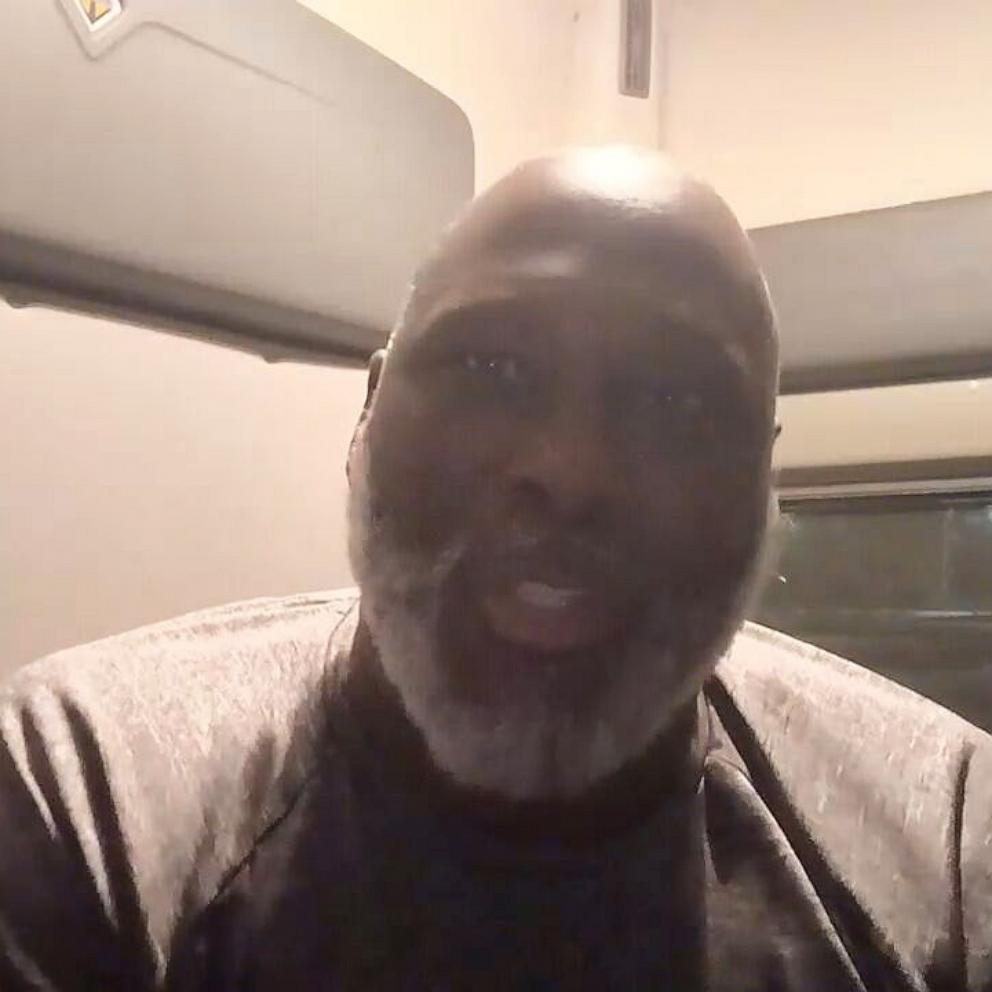
"I'm completely confident my plan is legal," Biden reiterated in a video on Twitter in late November.
But while early court cases against the program were thrown out for lack of standing -- that is, for lack of someone or some entity showing they were harmed by it -- subsequent challenges were more successful. An appeals court in Missouri and a district court in Texas, in two separate cases, ruled that the program was unlawful and an overreach of the Biden administration's powers.
Those decisions left the program in a precarious position just as student loan payments were set to restart for the first time in nearly two years, after a lengthy COVID-19 pandemic pause -- eventually leading Biden to once again extend a moratorium on loan payments that began under President Donald Trump.
Payments will not begin again until the fate of the program is decided, Biden announced in November, instead of Jan. 1, as originally planned.
Student loan payments will resume either 60 days after the Supreme Court issues a decision on the relief program, the administration said, or 60 days after June 30 -- whichever comes first.
“Callous efforts to block student debt relief in the courts have caused tremendous financial uncertainty for millions of borrowers who cannot set their family budgets or even plan for the holidays without a clear picture of their student debt obligations, and it’s just plain wrong,” Secretary of Education Miguel Cardona said in a November statement announcing the extension on the moratorium.
“We’re extending the payment pause because it would be deeply unfair to ask borrowers to pay a debt that they wouldn’t have to pay, were it not for the baseless lawsuits brought by Republican officials and special interests," he said then.
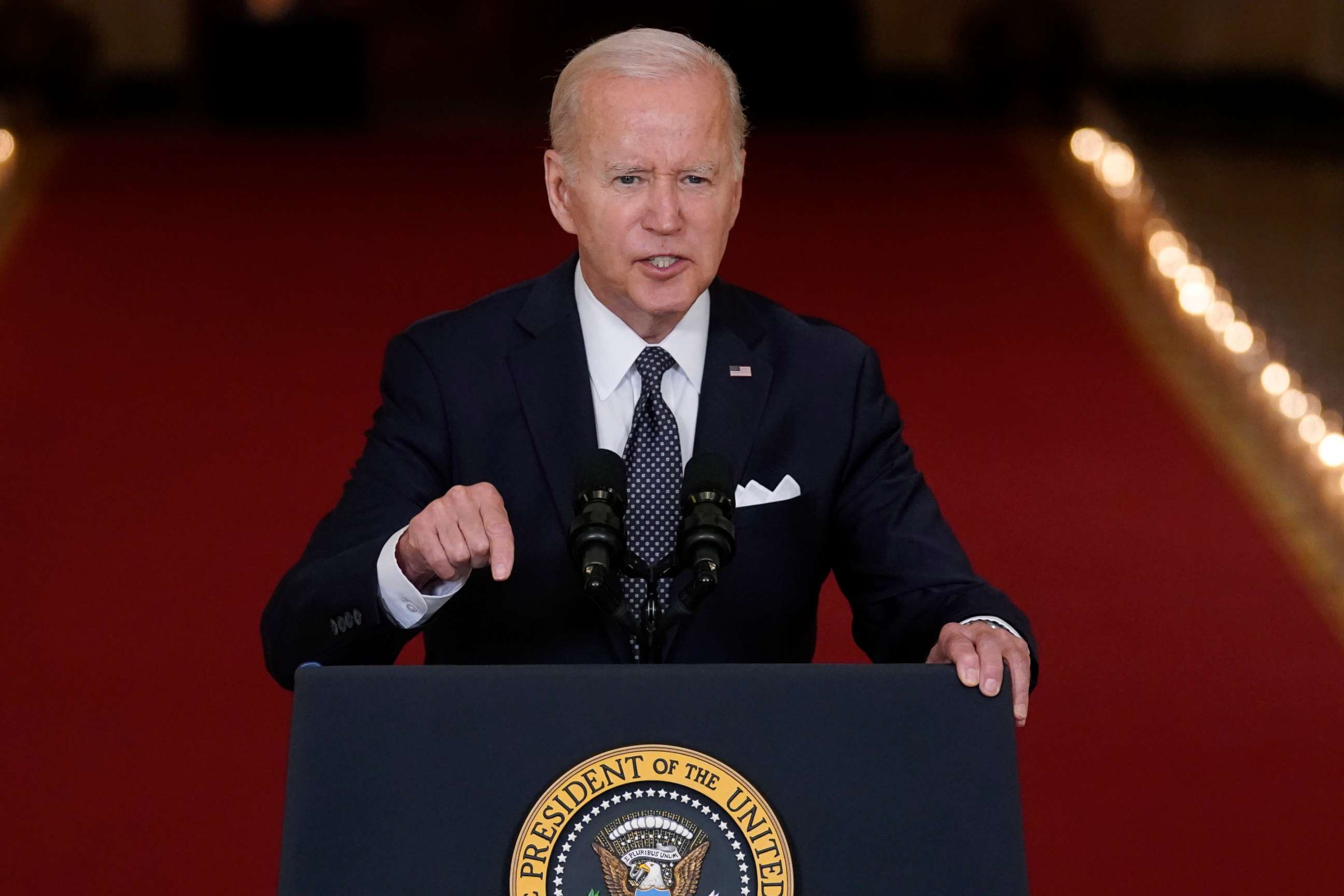
Conservative groups have brought lawsuits arguing that Biden's plan exceeds his administration's authority, that the program unfairly excludes Americans who won't receive debt relief and that certain loan servicers will lose revenue.
But the Biden administration argued that the debt cancellation was squarely within the authority of the Education Department, which oversees federal loans, because the department is supposed to look out for borrowers during national emergencies, like the COVID-19 pandemic.
"Indeed, the entire purpose of the HEROES Act is to authorize the Secretary to grant student-loan-related relief to at-risk borrowers because of a national emergency -- precisely what the Secretary did here," Solicitor General Elizabeth Prelogar wrote in a Supreme Court filing.
It is the secretary's job "to ensure that borrowers affected by a national emergency are not worse off in relation to their student loans," Prelogar argued, and if the Department of Education didn't act to cancel debts, there could be a "spike" in loan defaults when the pause on student loan payments lifts.
Overall, the program is expected to cost around $400 billion, according to an estimate by the nonpartisan Congressional Budget Office.