Supreme Court's John Roberts says judicial system 'cannot and should not live in fear'


The U.S. Supreme Court dominated headlines and our political discourse in 2022 down to the final days with its narrowly divided decision on Title 42 capping off a truly historic year.
2023 has even more history and legal upheaval in store: transformative and consequential rulings on race, immigration, gay rights and free speech -- all certain to further test the justices' standing in the public eye. The court's conservative majority has shown no sign of taking its foot off the gas.
On Saturday, Chief Justice John Roberts used his annual year-end report to address the avalanche of criticism, political attacks and threats of violence that besieged the court in 2022.
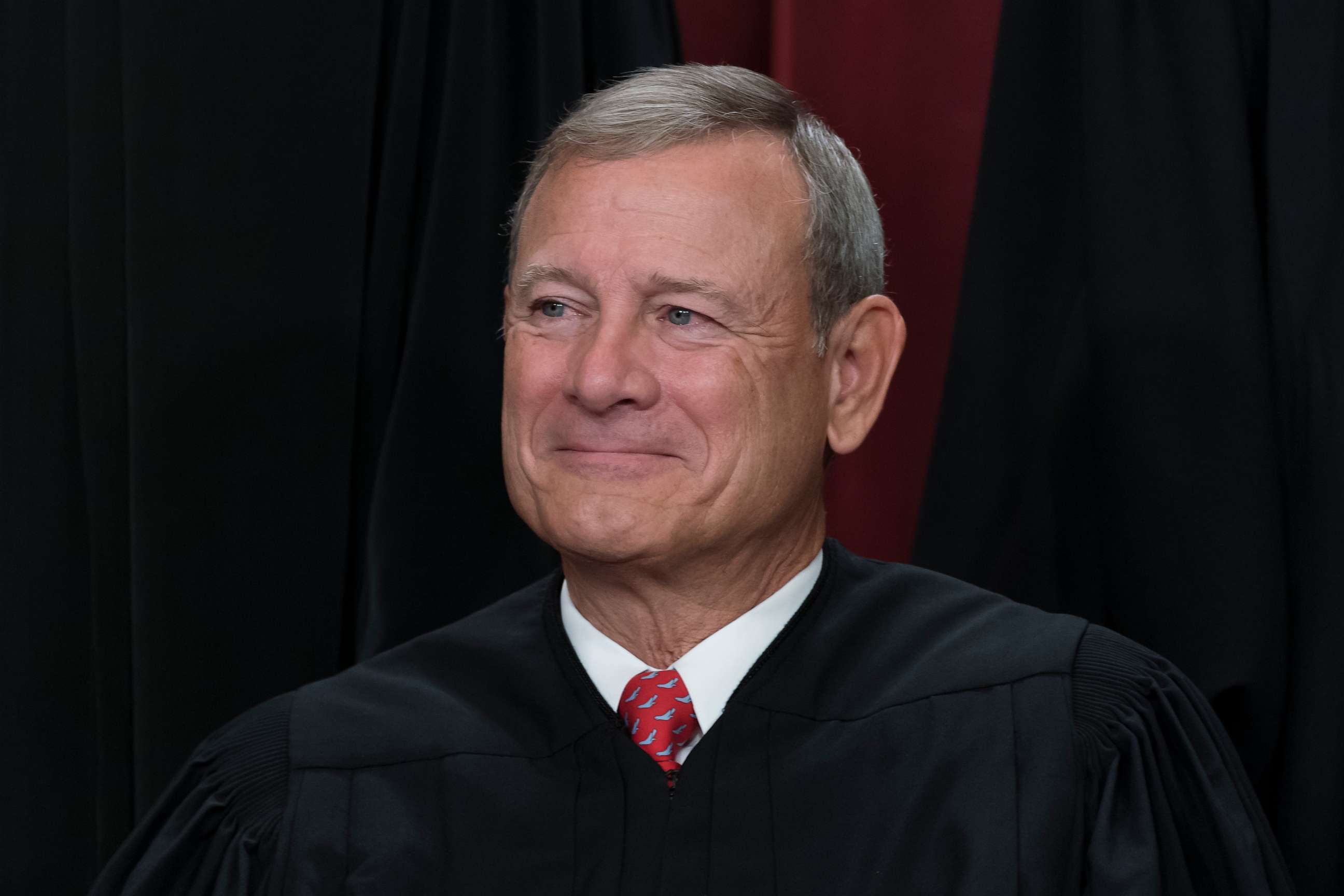
"Judicial opinions speak for themselves, and there is no obligation in our free country to agree with them," Roberts wrote in his first extended commentary since last summer's decision overturning Roe v. Wade. But, he said, "a judicial system cannot and should not live in fear."
Roberts alluded to the protests outside the justices' homes and the attempted assassination of Justice Brett Kavanaugh, though does not directly cite specific controversies or cases from the past year.
The chief justice likened the divisive environment swirling around the current court to the years after the 1954 Brown v. Board of Education decision that desegregated America's schools.
He noted that three full years after that landmark opinion, it took a single federal district court judge -- Ronald N. Davies -- to unflinchingly enforce the rule of law on Arkansas, which was defying the high court's decision.

"Judge Davies was physically threatened for following the law. His wife feared for his safety. The judge was uncowed," Roberts wrote. The ruling in 1957 cleared the way for the Little Rock Nine.
"The law requires every judge to swear an oath to perform his or her work without fear or favor, but we must support judges by ensuring their safety," Roberts wrote. "The events of Little Rock teach about the importance of rule by law instead of by mob."
Roberts thanked members of Congress and federal judge Esther Salas, whose son was murdered at her home in 2020, for advocating for enhanced security measures for federal judges, stating "these programs and the funding of them are essential to run a system of courts." But he did not address legislative efforts to mandate greater transparency and ethics guidelines on the bench.
Roberts made no mention of the investigation into the leak of Justice Samuel Alito's draft abortion decision in April, or of the growing list of alleged ethics violations against Justices Clarence Thomas and Alito.
Gabe Roth, the executive director of Fix the Court, a nonpartisan nonprofit watchdog organization, called the Roberts report a "disappointment."
"The increased public scrutiny the Supreme Court is under, due in large part to its growing power but also thanks to several headline-grabbing ethics scandals, isn't going away," Roth said in a statement.
"There's no doubt Roberts understands this; the question is what he's going to do about it, and the public deserves answers fast," he said.