What the surgeon who pulled John Hinckley's bullet out of Ronald Reagan's chest remembers
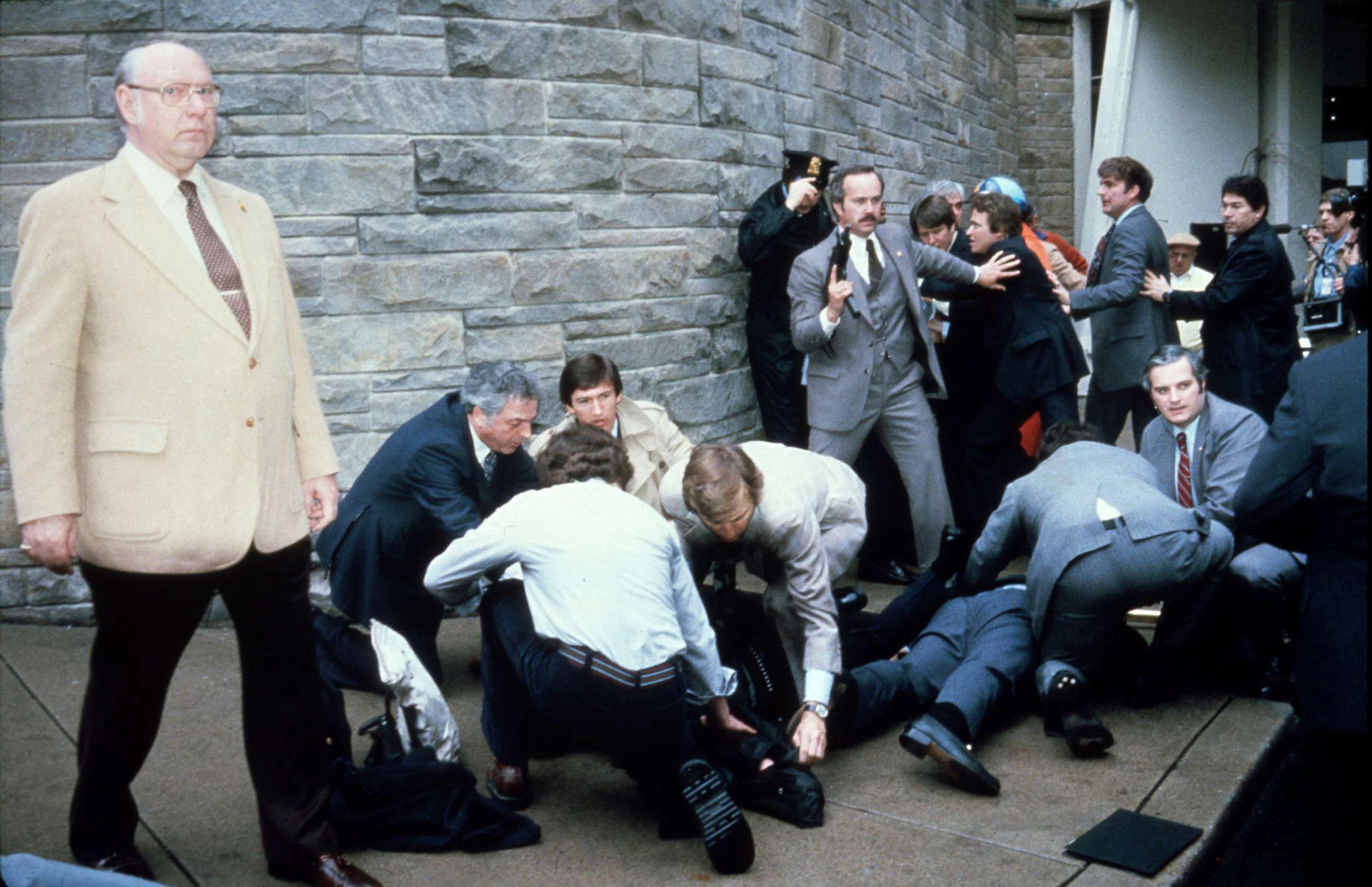
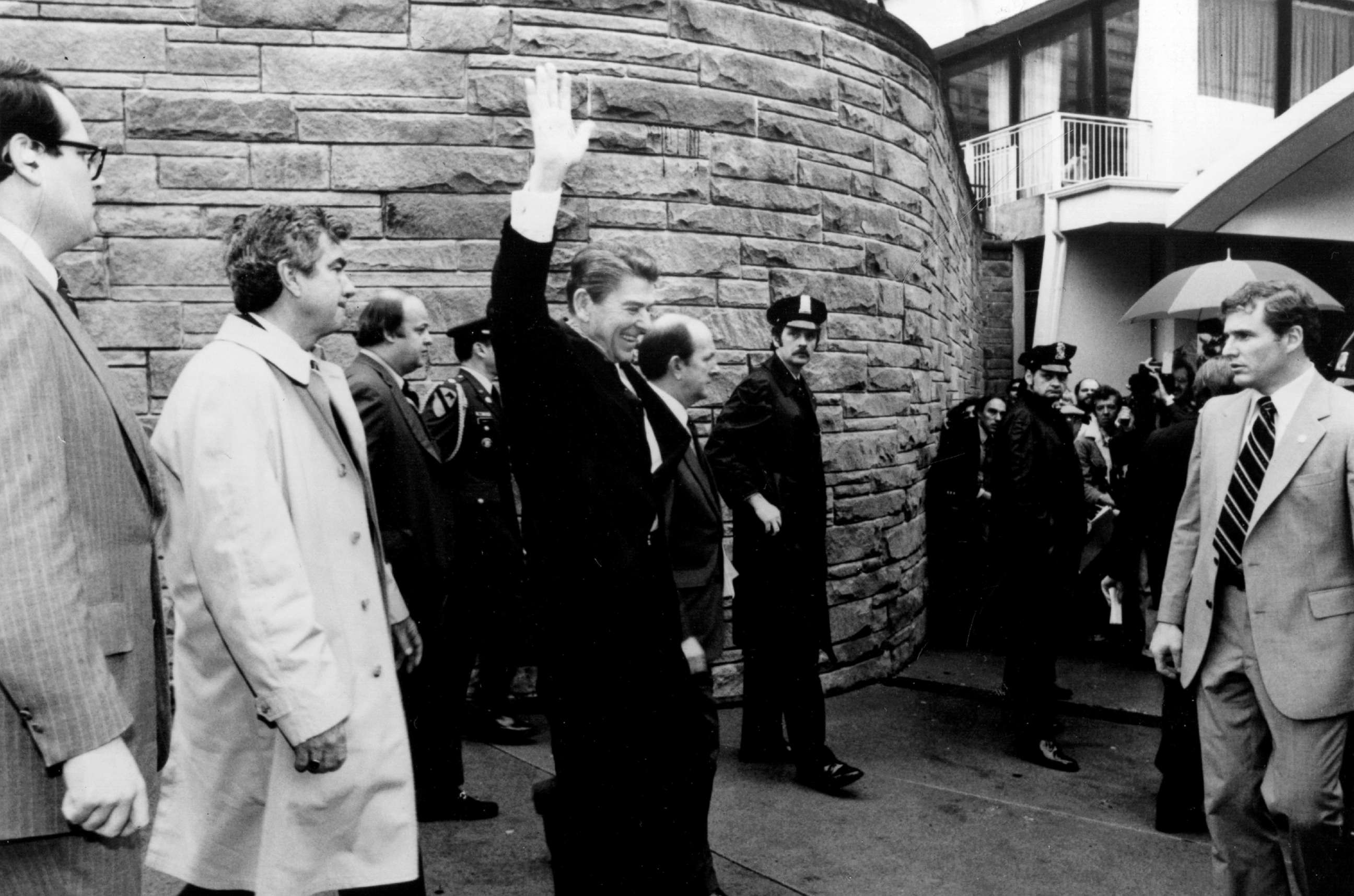
With John Hinckley's bullet still lodged in his chest, President Ronald Reagan was rushed to George Washington University Hospital, which is about nine minutes from the Hilton hotel where he'd been shot.
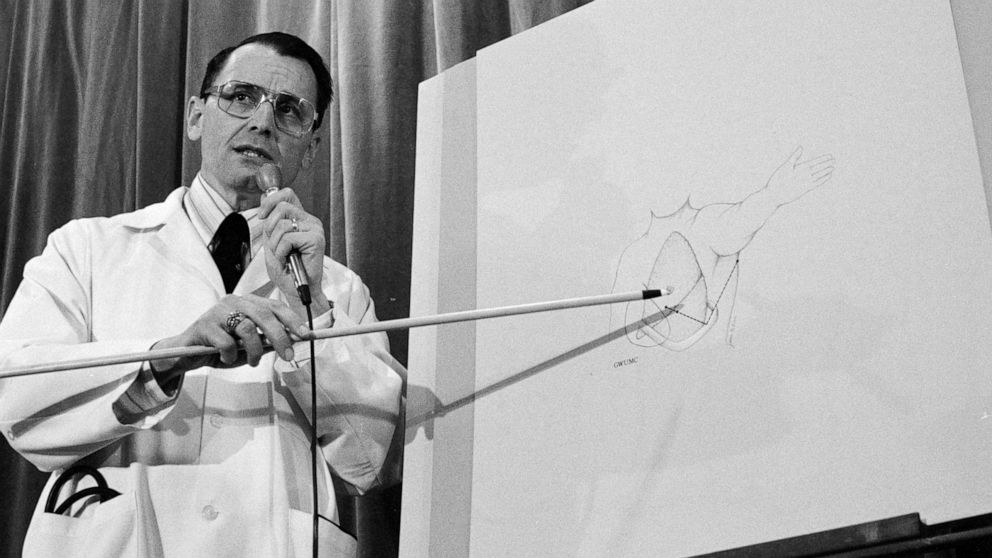
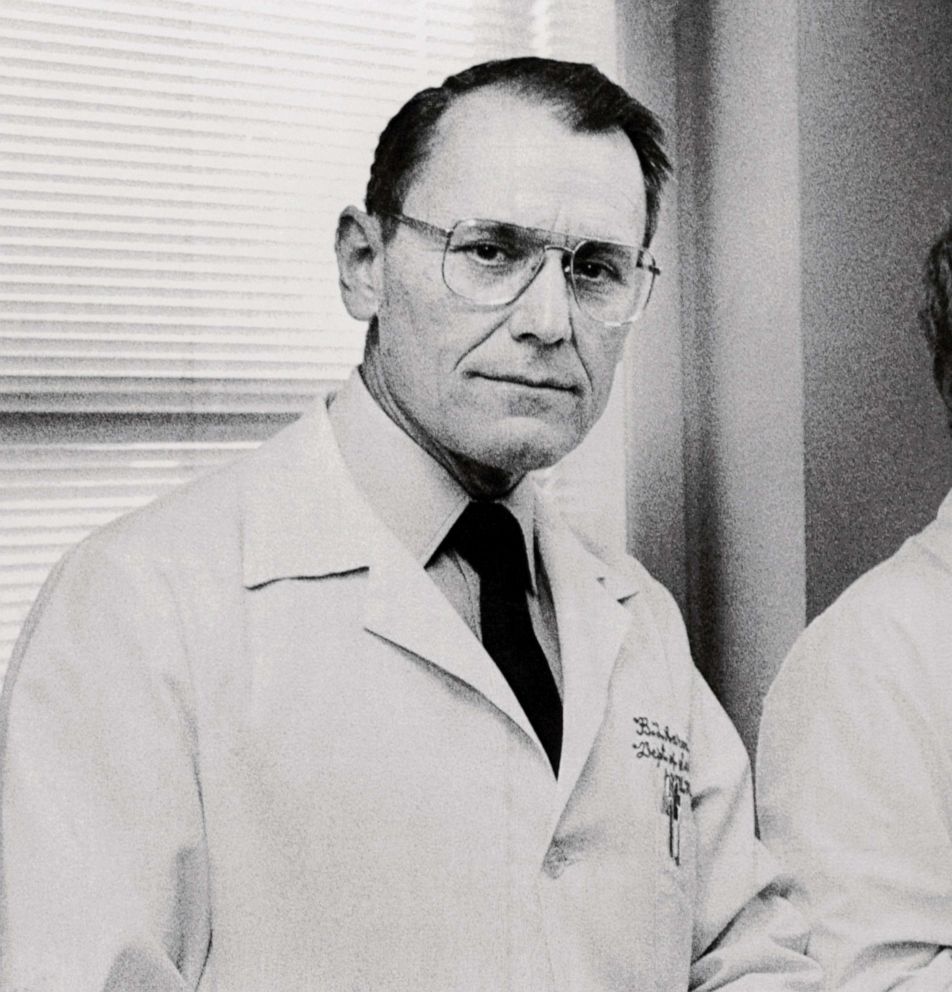
One of the surgeons who met him there was Dr. Benjamin Aaron, then chief of cardiothoracic surgery at GWU. Aaron would go on to remove what turned out to be an explosive "Devastator" bullet from the president -- though they didn't know that at the time.
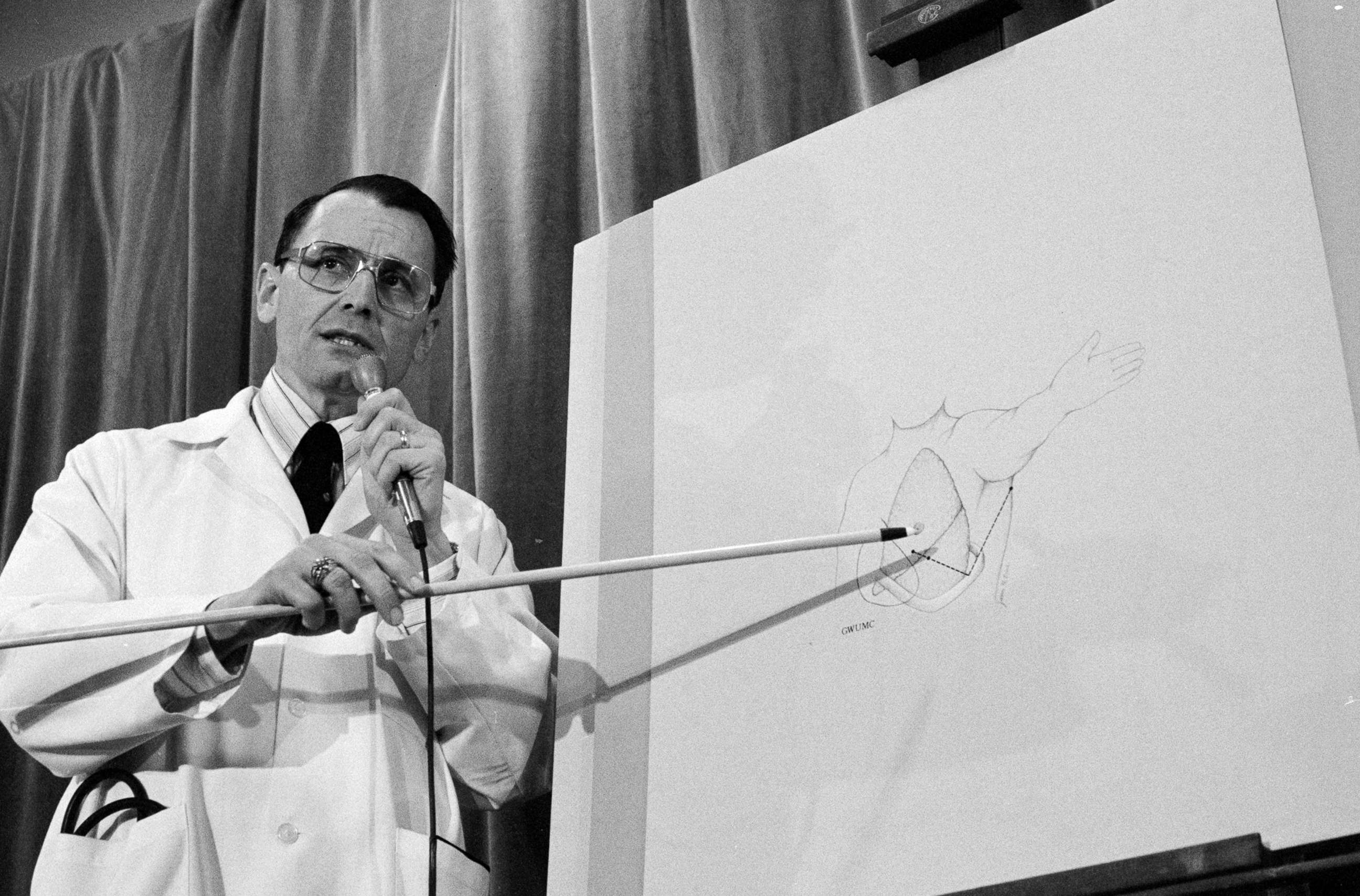
It's a decision that proved crucial, and now, four decades later, Aaron recounted those moments to ABC News as Hinckley is poised for a potential release from his remaining court-ordered restrictions by June of next year.
The president was losing a lot of blood, a handkerchief soaked through by the time he arrived at the hospital.
"The first thing I saw was just a man -- who was in dire straits," Aaron told ABC News. "He'd lost about 40% of his bloodline, enough to cause him to go unconscious for a time ... and he was not a young man."
Reagan's blood was a deep dark hue -- less oxygenated -- and a warning sign of the damage.
"The blood in this kind of injury would almost always be bright red, and the blood we saw draining out of his chest was very dark," Aaron said. "The only way you can get that kind of dark blood in a chest wound is some component of the pulmonary arterial system being damaged."
Even so, Aaron recalled Reagan tried to walk on his own toward the emergency room.
"He kind of waved off help -- from the stretcher he tried to walk -- took about three or four steps then just fell on his face," Aaron said. "We had him on a stretcher lickety split and had at least one IV line on him almost within seconds."
There was no exit wound. The president's dark blood kept flowing from a tube inserted in his chest.
X-Rays revealed the bullet's precarious position.
"It was situated in a pretty vile place," Aaron said. "The first thing that went through my mind was, is this a salvageable case?"
In the operating room
Reagan's bleeding hadn't stopped even after doctors had re-expanded his lung. Given how near the bullet was lodged to his heart, they decided to operate.
"'Oh my gosh, what have I gotten myself into?'" Aaron remembers thinking at first.
The air hummed with a quiet intensity, Aaron said. Secret Service agents stood in the room as they wheeled Reagan in and began to pre-breathe the president before inducing anesthesia.
Even while on the table -- Reagan struck a one-liner, Aaron recalled: "The president opened his eyes, hauled himself up on his shoulders, hunched himself up on his elbows, reached down and pulled the oxygen mask off his face, looked around and said, 'I sure hope all of you out there are Republicans!'"
"'Mr. President, for today, we're all Republicans,'" Aaron recalled Joe Giordano, then head of the trauma team, responding.
The quip "brought the house down" with laughter, Aaron said, despite the grim circumstances.
As the surgery wore on, with Reagan anesthetized for several hours, there was some consideration whether to leave the bullet in, which wouldn't be unusual if it wouldn't do any further harm.
"But bullets move around -- especially bullets in lungs move around a lot," Aaron said. "If that thing got loose and migrated out to his heart or got ejected out to his arterial system, his brain -- that would have been a serious dereliction.
"The operating clock was ticking, but this issue was a pretty important one."
Hinckley's bullets
"Each minute seemed like an hour," Aaron said. But persisting, they finally found the bullet.
"If I had said, 'I'm staying here till tomorrow to get that bullet out,' they probably would have deferred to that," he said. "I just had this niggling feeling it wouldn't be a good idea to wake up the next morning and see the 3-inch headlines in the paper which said, 'Doctor Failed to Remove the Bullet from the President.'"
Aaron wouldn't find out until later what a crucial decision that would be.
"I didn't know that [it was a Devastator bullet]," Aaron said. "As it turned out it was very fortunate that we did persist."
"Had we closed him up with that bullet in there, with deadly azide -- that is a toxin -- we'd have had to go back in, reopen him and find it," he said. "There's no way in the world you can leave a bullet like that, certainly not in the president of the United States."
Updating the first lady
When Nancy Reagan arrived at the hospital, Aaron updated her on her husband's chances of pulling through.
"She was a brick," Aaron said. "She really held it together pretty well ... she was concerned. I'm sure she was."
Nancy would be "bedded down next to his room" while her husband recovered for the next 11 days, Aaron said.
Had Hinckley been a trained assassin, Aaron doubts Reagan would have survived.
"Two bullets and that would've been the end of it," Aaron said. "It was fortunate for Reagan -- and in some degree fortunate for [Hinckley] -- because if he had [killed] the president, he'd never see the light of day."