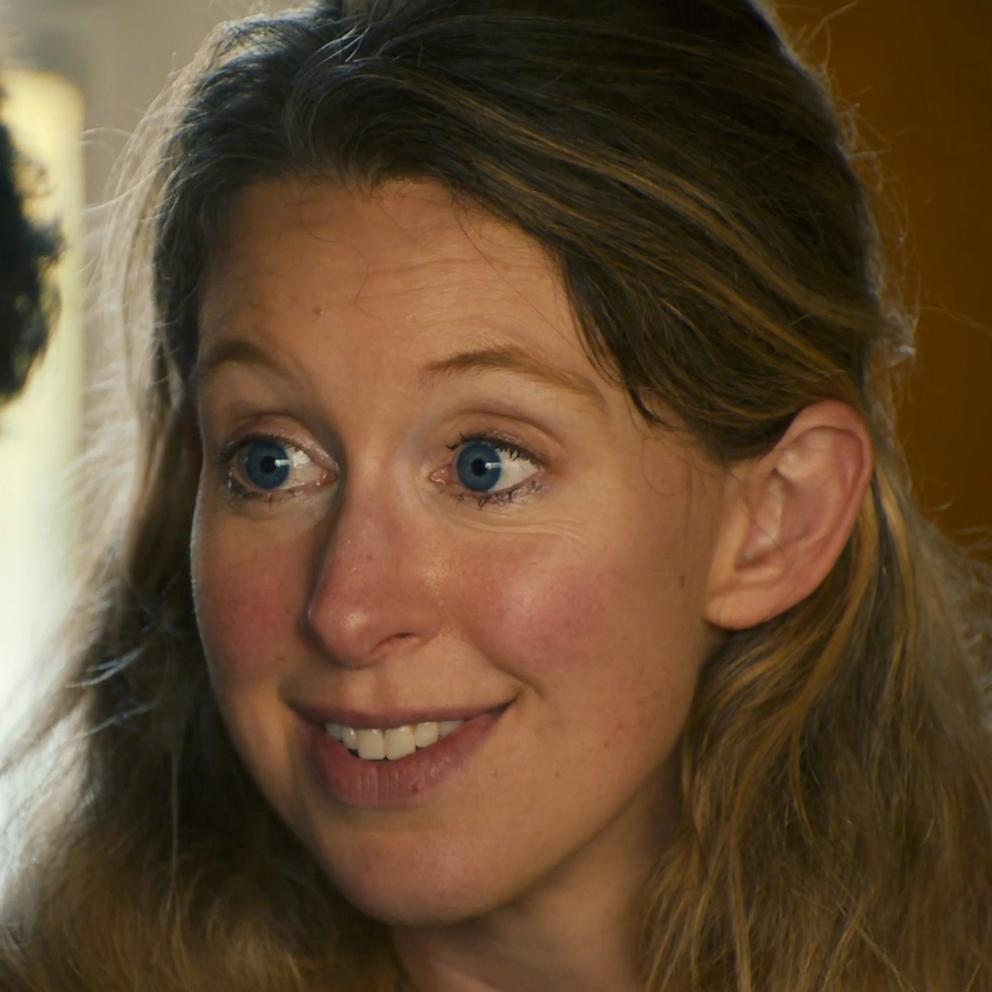
Girl With Rare Facial Deterioration Saved by Surgery
March 1, 2011— -- Christine Honeycutt's battle with a rare disease started about six years ago with something doctors and her mother thought was nothing more than a birthmark.
"I noticed a small line in her forehead. It looked like she ran into a door jamb," said Vicki Honeycutt, Christine's mother.
Doctors told Honeycutt not to worry too much. They gave her cream to put on it, instructed Christine, then only 5 years old, to stay out of the sun and said it would eventually fade away.
Over the years, despite doctors' reassurances, the line only got darker and deeper and one summer, after moving from North Carolina to southern California, Honeycutt noticed something else.
"One day, I kissed her ear and then she rolled over and her right ear was in my face. I noticed her left ear was half the size of her other ear, and also that her nostril on her left side looked like a baby's nostril," she said.
After a visit to another pediatrician, numerous tests and then a consultation with a genetic specialist the pediatrician recommended, Honeycutt had a diagnosis: Parry-Romberg Syndrome, a rare condition that progressively causes the skin and tissue of one side of the face to waste away. The degree of atrophy varies from person to person. No one knows what causes the disease and there is no cure.
Patients with Parry-Romberg may also have neurological symptoms, such as seizures and severe migraines. Honeycutt said Christine had a seizure when she was 7 and also suffered from severe pain in her face as well as bloody noses.
Even though the condition has no cure, that wasn't going to stop Honeycutt from trying to save Christine's precious face, despite the fact that numerous doctors told her there was no hope.
"There had to be something we could do," she said. "I was not going to sit here and watch my daughter's face cave in."
There have been case reports that methotrexate, a cancer drug, stopped Parry-Romberg's progression. But it didn't work for Christine, who has since moved back to North Carolina with her family.
After the unsuccessful treatment with methotrexate, Honeycutt found Dr. John Siebert, professor of surgery at the University of Wisconsin School of Medicine in Madison. Siebert has performed a special type of microsurgical reconstruction on about 120 people with Parry-Romberg Syndrome.