Texas flash flooding disaster raises questions about rescue and recovery efforts

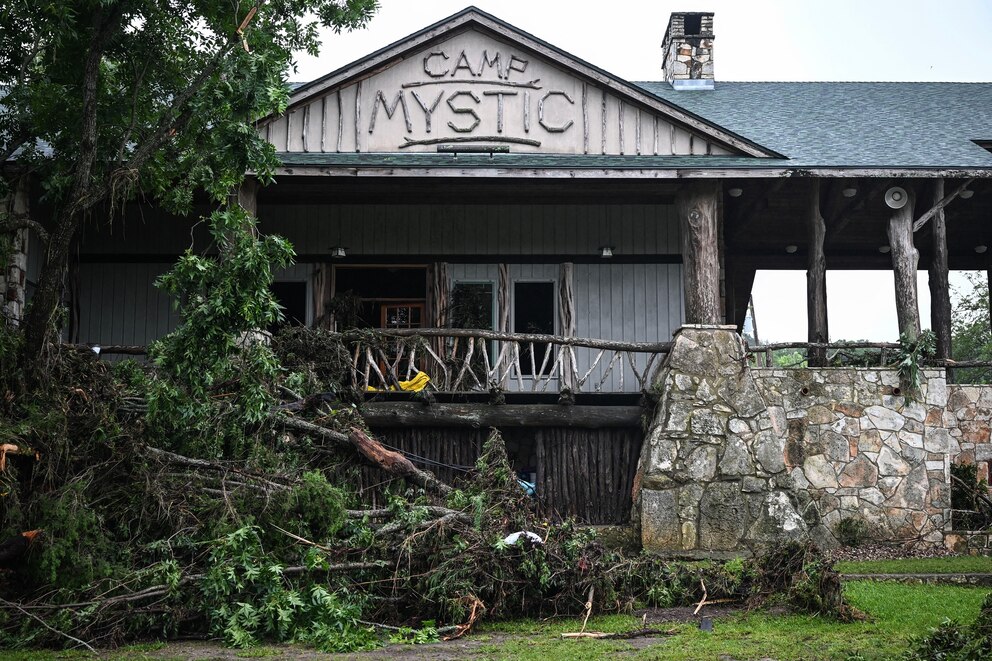
The catastrophic flash floods in Texas have left communities reeling, claiming at least 90 lives and displacing families across the Hill Country. As recovery operations continue, safety concerns have intensified -- not just for the current disaster but for how future flash flood events will be managed.
Officials say the tragedy has spotlighted confusion surrounding how disasters are categorized and managed, particularly around terms like response, rescue and recovery. Understanding these distinctions is essential to grasping how emergency teams work during such events.
How disaster response is organized
In the U.S., large-scale disaster management follows a tiered structure called the Incident Command System (ICS). This well-established framework is designed to ensure consistent coordination during crises, whether it's a terrorist attack like 9/11, a major hurricane like Katrina, or the devastating floods currently hitting Texas.
Under ICS, the response is managed at local, state and federal levels. Texas Gov. Greg Abbott emphasized that all three tiers are currently active in the flood response, with resources being shared across jurisdictions. The terminology used under ICS is standardized, helping ensure that all agencies involved are aligned in their actions and goals.
As of this week, Abbott extended the state's disaster declaration to cover 15 counties, while President Donald Trump approved a federal disaster declaration for Kerr County, one of the hardest-hit areas.
Response vs. Rescue vs. Recovery
Disaster operations follow a general pattern: response, then rescue, then recovery.
The Response Phase begins when the ICS is activated. This involves setting up an Emergency Operations Center and appointing an incident commander to coordinate efforts across all agencies.
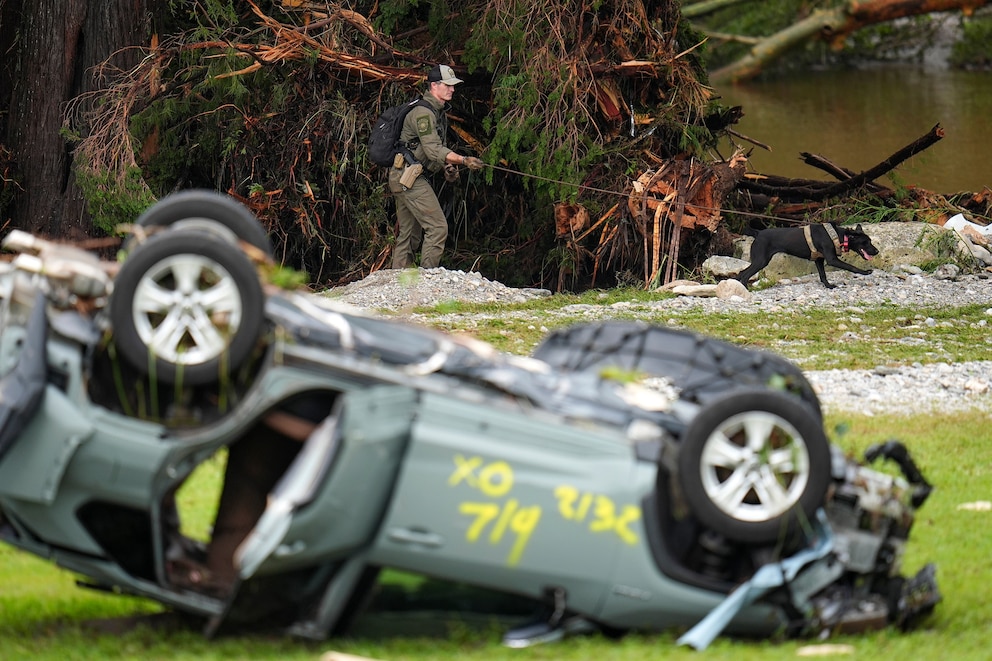
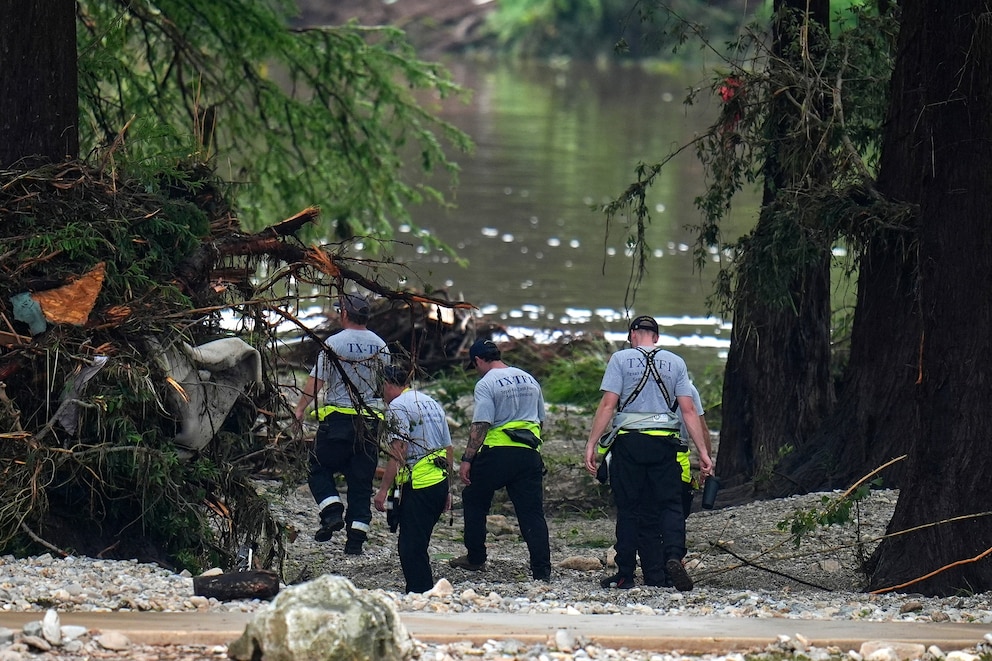
The Rescue Phase prioritizes saving lives. In an event like the Texas floods, it would typically include:
- Land-based search teams using GPS grid searches.
- K9 search-and-rescue dogs.
- Boat and helicopter rescues carried out by the U.S. Coast Guard and Texas National Guard.
- A U.S. military "Reaper" drone providing aerial surveillance to guide rescue teams.
Importantly, the safety of responders is a top priority -- ensuring they don't become additional victims.
A family reunification process is also underway to help reconnect loved ones affected by the flooding.
Eventually, operations will shift to the Recovery Phase, which focuses on finding those still missing and restoring the devastated infrastructure. Abbott said that this transition in Texas will not happen until all missing people are accounted for. For comparison, after 9/11, the shift from rescue to recovery at Ground Zero occurred around 24 to 48 hours post-impact.
Investigations and mental health support
Due to the tragic loss of life, evidence recovery is now part of the process. Investigators may need to conduct forensic or criminal inquests to determine the cause of deaths and evaluate any liability.
Mental health support teams are already in place. The trauma of such a disaster affects victims, families and even the rescuers. Crisis counselors, FBI and state victim support specialists and grief support services should be available and will be a key part of the long-term response.
The long road ahead
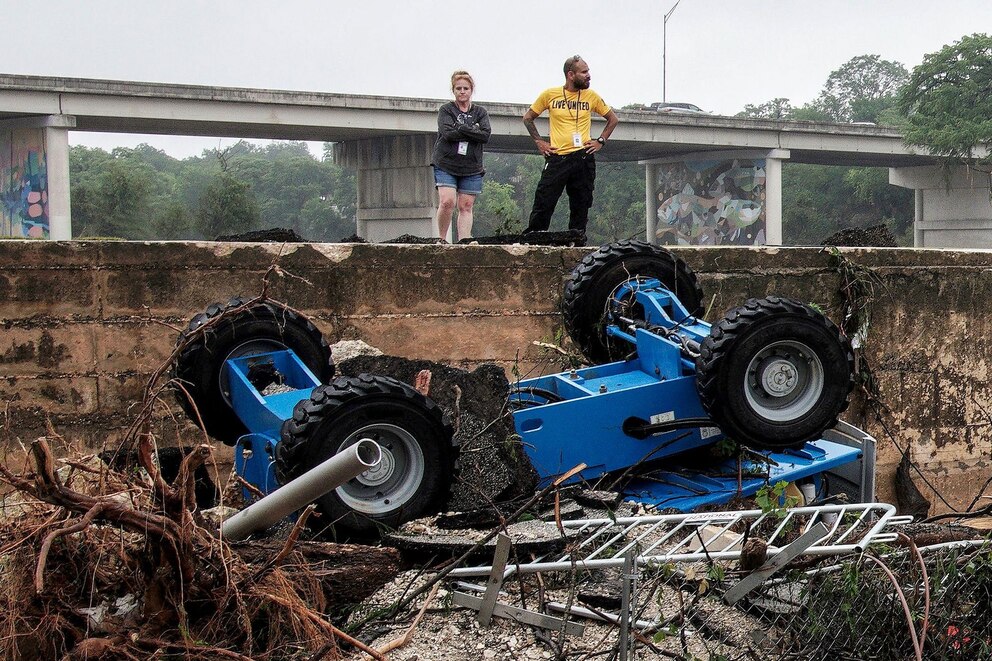
Recovery will include debris removal, damage assessments and rebuilding efforts -- a difficult road that will require extensive state and federal support.
Meanwhile, officials are urging all Texans to be vigilant and prepared for future weather emergencies.
What to do in a flash flood
If you're in a flood-prone area, here are key safety tips:
- Always be weather aware and monitor alerts.
- Leave early if conditions deteriorate.
- Have an emergency kit and communication plan.
- Seek high ground immediately when flooding is imminent.
Several resources can help you stay informed:
- FEMA Mobile App -- Provides real-time alerts and shelter information.
- Weather alert apps -- Multiple are available for download and can offer advanced warnings.
For all types of disasters, meteorologists say that it's important to have at least two ways of receiving important weather alerts. Your phone should have the Emergency Alert System activated, but you'll also need a NOAA (National Oceanic and Atmospheric Administration) weather radio because it does not require cell service or electricity to operate.
"I really believe every person in the country should have a NOAA weather radio," ABC News Chief Meteorologist Ginger Zee said. "This is battery powered and will wake you from a dead sleep. The timely warnings from NWS that night can be programmed to go off and would wake folks and give them at least a few minutes, if not longer, to seek higher ground."
How you can help
The American Red Cross is one of several organizations assisting with victim support, shelter and supplies.
Donald J. Mihalek is an ABC News contributor, retired senior Secret Service who served on the president's detail and as an NSSE coordinator for UNGA contingency operations. He was also a police officer and served in the U.S. Coast Guard helping coordinate search and rescue operations.
Richard Frankel is an ABC News contributor and retired FBI special agent who was the special agent in charge of the FBI's Newark Division and, prior to that, the FBI's New York Joint Terrorism TASK force. He was involved in the investigation and recovery efforts of TWA Flight 800, the 9/11 attacks and the 2013 Westgate Mall attack in Kenya.
The opinions expressed in this story are not those of ABC News.